Lot No. LOT-1012 · offered October 9, 2026
Commodity MarketsLot sheet
US soybean harvest trails 33% norm at 25%; wheat gains, Black Sea watched
USDA reports 25% of the US soybean crop harvested, lagging the 33% five-year average by 8 points, while 57% of the crop is rated good to excellent. Wheat futures firmed and Black Sea exports remained a focus.
Market notes
- US soybean harvest reached 25% complete, 8 percentage points behind the 33% five-year average
- USDA rated 57% of the soybean crop good to excellent, down 1 percentage point from the prior week
- 85% of the soybean crop had dropped leaves as of the latest report
- Soybean futures posted modest gains on fund and technical buying
- Wheat markets firmed as traders continued to monitor Black Sea export flow
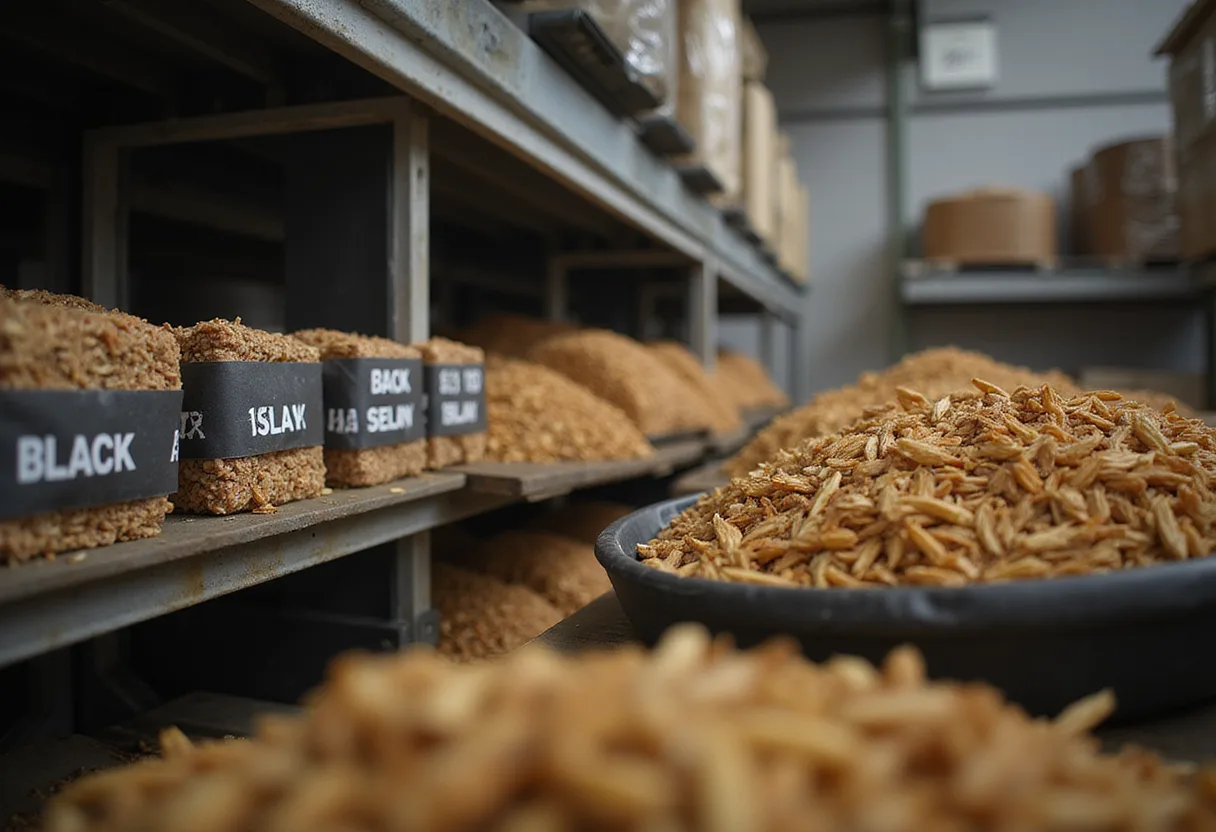
US soybean harvest reached 25% complete, trailing the five-year average of 33% by 8 percentage points, USDA reported. The crop is also showing a 1-point decline in condition, with 57% rated good to excellent, even as 85% of plants have dropped leaves — a sign the crop has reached or is approaching maturity across most of the growing region.
Soybean futures posted modest gains, lifted by fund and technical buying, according to Brownfield Ag News. Traders were weighing the impact of recent harvest delays against forecasts calling for better field conditions this week.
How wide is the harvest gap?
The 8-point shortfall against the five-year average is the most concrete data point in the latest USDA update. At 85% leaf drop, plants are shedding moisture and preparing for the combine, but progress has not kept pace.
That divergence matters in two ways. Grain that stays in the field longer tightens immediate delivery windows, which can push basis firmer at elevators and processors. Every additional day of standing crop is also another day of weather exposure — a risk already visible in the 1-point slip in the good-to-excellent rating to 57%.
The 1-point condition decline is small in isolation, but it follows a season in which the crop has had to play catch-up. Any further erosion before combines finish would tighten the cushion domestic crushers and exporters had penciled in.
Why the focus on Black Sea wheat?
Wheat markets moved higher, with traders continuing to watch Black Sea export flow. The reference to continued Black Sea monitoring signals that traders see that region as the swing factor for global wheat values, and any change in shipping pace tends to feed quickly into competing origins, including U.S. wheat.
For U.S. growers, the Black Sea watch matters more for wheat than for soybeans, but it still shapes the export math USDA tracks in its monthly supply-and-demand report. A firmer world wheat tone supports U.S. values at a time when growers are planning fall plantings and locking in new-crop sales.
What does a slower harvest cost farmers?
The 25% harvested mark, against a 33% norm, translates into more in-field drying time and a longer window for weather losses. Cooperatives that priced forward contracts at harvest basis will watch closely for catch-up progress over the next two reports.
Slower combines also lengthen exposure to wind, hail and late-season disease pressure. The condition rating slip to 57% keeps yield expectations in line with prior estimates rather than forcing a revision. Traders typically discount small weekly condition shifts, but a cumulative move over the next two USDA Crop Progress releases would force the market to re-price soybean values.
What's ahead?
Forecasts call for better conditions this week, which could compress the harvest gap quickly. The 85% leaf-drop figure leaves limited crop still maturing, so the next two USDA Crop Progress releases will determine whether the 25% mark climbs back toward 33% or stalls further. On the wheat side, traders will look to that same window for fresh Black Sea export data to confirm whether the recent gains hold.
via Brownfield Ag News (Source)
More from Rebecca Stone
Show full bio
Market editor covering people, launches and day-to-day practice in Agribusiness coverage for industry professionals at Agribusiness Wire.
430 articles
Also in the yard
- Minnesota Soybean Harvest at 14%, Trails Five-Year Average of 23%
- USDA: Corn Harvest Hits 18%, Matching Five-Year Average Pace
- Soybean Harvest at 17%, Below Every Trade Estimate, USDA Says
- Minnesota Harvest Trails Five-Year Average by Wide Margin
- Corn Drops After USDA Surprise; Soybeans Extend Weekly Gain