Lot No. LOT-5126 · offered November 11, 2026
Trade & ExportsLot sheet
US Butter Set to Grab Bigger EU Market Share as Exports Slip
FAS forecasts EU27 butter imports up 6.7% in 2027 on US price strength and a 10,000-tonne TRQ, while exports fall 1.5% as domestic use absorbs lower output.
Market notes
- EU27 butter imports forecast up 6.7% in 2027; exports forecast down 1.5% (USDA FAS)
- US butter imports to the EU rose 37% in January–July 2026; 10,000-tonne US dairy TRQ opened June 30, 2026
- EU butter exports jumped 39% in January–July 2026, reaching 79% of the full 2025 export quantity
- September 2026 prices: EU butter $4,784/t, Oceania $4,875/t, US $3,008/t
- FAS estimates 2026 EU butter imports down 10.7% from 2025; Türkiye shipments up 1,549% in January–July
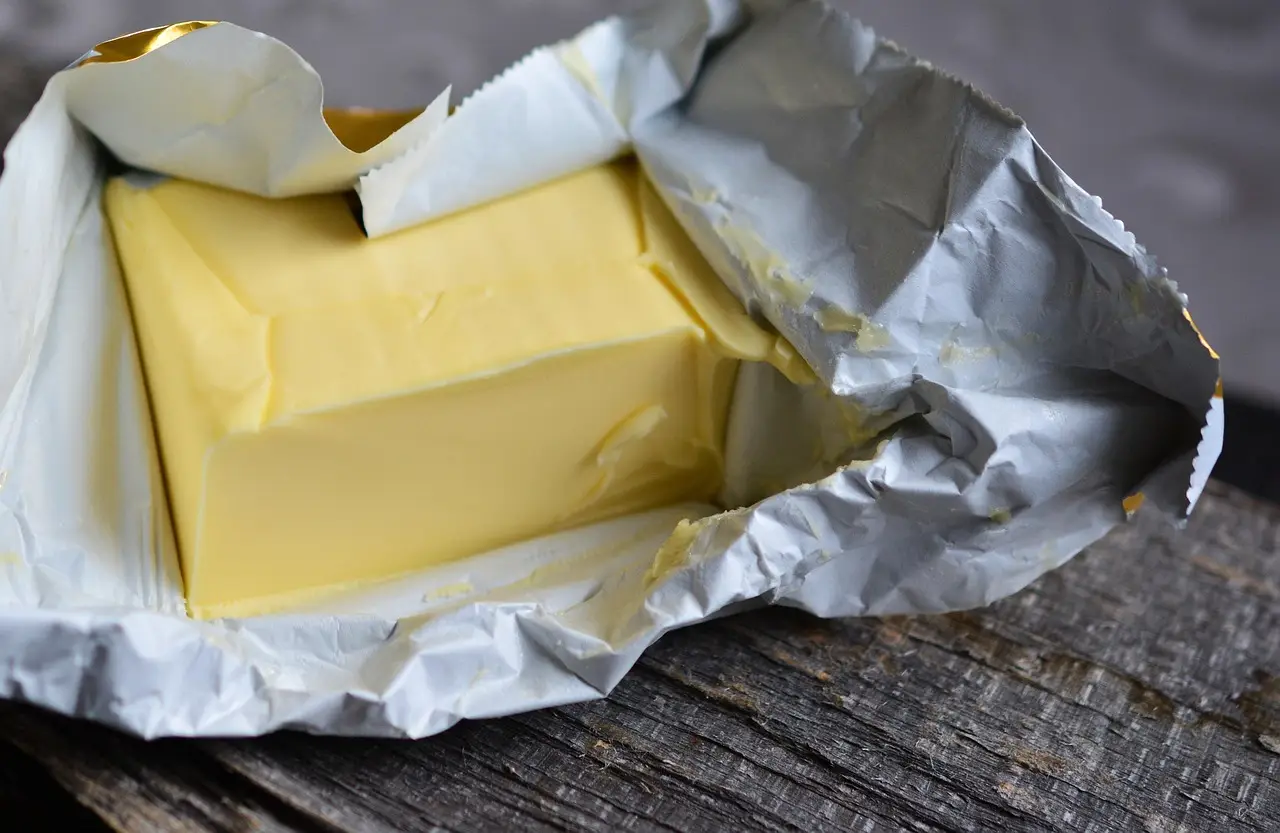
EU27 butter imports are forecast to rise 6.7% in 2027 from 2026 levels, while butter exports are set to decline 1.5%, according to the USDA Foreign Agricultural Service (FAS). The driver on the import side is a 10,000-tonne tariff rate quota (TRQ, a duty-free import allowance) for US dairy products and a persistent price gap favoring American butter.
The numbers frame a reversal. FAS estimates EU27 butter imports in 2026 will fall 10.7% from 2025, as cheaper New Zealand, Ukrainian, Swiss and Norwegian product loses competitiveness against falling domestic EU prices. Imports dropped 9.3% in January to July 2026. But FAS expects that decline to slow in the second half because American shipments are accelerating: US butter imports rose 37% in January to July, and the US dairy TRQ opened as of June 30, 2026. The United States now ranks as the third-largest butter exporter to the EU, behind the United Kingdom, which dominates an import volume that remains small relative to EU production.
Why are exports set to contract?
Steady domestic consumption is absorbing most EU27 butter output, and production itself is expected to be lower in 2027. FAS projects exports down 1.5% from 2026.
That follows an exceptional 2026. FAS estimates full-year butter exports up 20.8% from 2025, driven by exceptionally strong first-half shipments as EU quotations gained ground on world markets. From January to July 2026, exports increased 39%, reaching 79% of the entire 2025 export quantity in seven months.
The destination breakdown for that period shows breadth:
- United States: up 21%
- United Kingdom: up 4%
- China: up 37%
- Türkiye: up 1,549%
- Saudi Arabia: up 50%
- South Korea: up 4%
US purchases held up despite higher tariffs, as American importers continued to value European — mostly Irish — butter even at elevated prices, FAS reports.
What changed on price?
EU butter prices declined until June 2026, pressured by large stock volumes and quotations competitive with both Oceania and the United States. Rising energy costs and EUR/USD exchange rate movements then pushed EU prices upward.
By September 2026, EU butter traded at $4,784 per tonne — slightly below the Oceania price of $4,875 and 59% above the US price of $3,008. That spread explains the two-way shift now built into the forecast: American butter becomes more attractive inside the EU, while European product loses edge in third markets. FAS accordingly expects full-year 2026 export growth to decelerate from the first-half pace.
What does this mean for dairy margins?
For EU processors and dairy cooperatives, the forecast points to softer external demand in 2027 coinciding with lower production and a domestic consumer base absorbing most output. The September price ranking — EU above Oceania, both far above the US — signals margin pressure on export volumes unless energy costs and the euro's trajectory reverse. For US exporters, the open TRQ and a $1,776-per-tonne price advantage over EU product give a clear runway into a market where they already rank third among suppliers.
via thecattlesite.com (Source)
More from Rebecca Stone
Show full bio
Market editor covering people, launches and day-to-day practice in Agribusiness coverage for industry professionals at Agribusiness Wire.
477 articles