Lot No. LOT-9120 · offered September 29, 2026
Seeds, Crop Protection & FertilizerLot sheet
Trump Says U.S. Pursuing 'Massive' Belarus Potash Deal
Trump says a Belarus potash deal would price fertilizer "substantially less" than Canadian supply, as USDA data shows red potash at $690 per ton and climbing.
Market notes
- USDA's Sept. 18 Pacific Northwest report lists red potash at $690/ton and white potash at $744.17/ton, up from $670 and $695.84 a year earlier.
- Trump announced a 'massive Deal' for Belarusian potash; Belarus ranked fourth in world potash production in 2024 per USGS.
- OFAC authorized transactions with JSC Belarusian Potash Company, Agrorozkvit LLC and Belaruskali OAO in December 2025; the White House offered no deal terms.
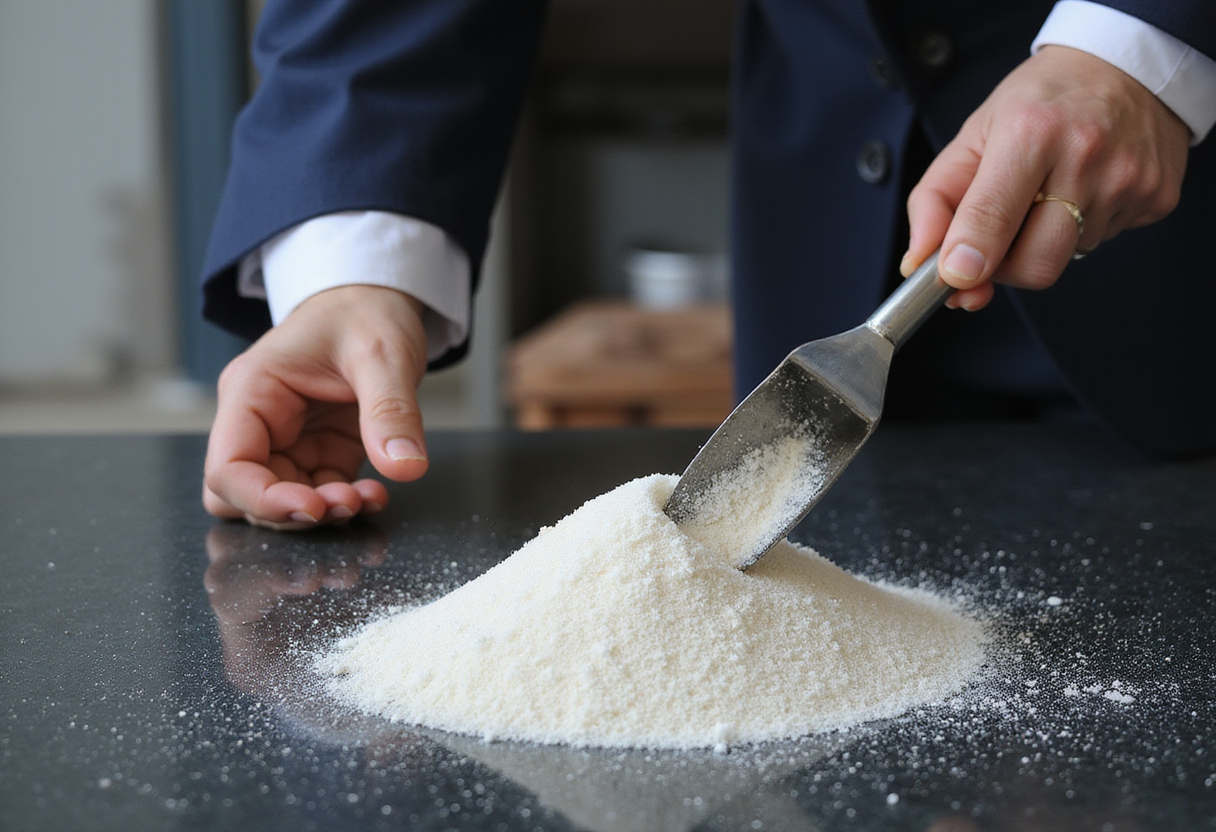
President Donald Trump said Monday the United States is negotiating a "massive Deal" to buy potash from Belarus, at prices he claims would run "substantially less than we are currently paying to Canada, very good news for our Farmers and Ranchers."
The announcement, made on Truth Social, points to a potential restructuring of North American fertilizer supply at a moment when growers face rising input costs on all three major nutrients. USDA's Sept. 18 bi-weekly Pacific Northwest production cost report puts red potash at $690 per ton and white potash at $744.17 per ton — up from $670 and $695.84 respectively in the Sept. 22, 2025 edition of the same report.
Nitrogen costs are climbing in parallel. Liquid nitrogen averaged $726.50 per ton in September 2025; the current reading is $822.05 per ton, with the Iran conflict and unreliable access to the Strait of Hormuz cited as drivers. Phosphate has moved higher as well: monoammonium phosphate averaged $1,166.74 per ton in 2025 and now runs $1,235.67 per ton, according to the USDA reports. The administration opened duty-free access for Moroccan phosphate fertilizer in June in an attempt to restrain those costs.
Belarus ranked fourth in world potash production in 2024, according to the Interior Department's U.S. Geological Survey. Canada remains the world's largest producer and exporter, and it supplies the vast majority of U.S. potash imports.
Fertilizer Canada pushed back on the pivot in a statement. "Canada is the world's largest producer and exporter of potash and has been a reliable supplier to North American farmers for decades," the group said. "Supported by geography and a highly integrated supply chain, Canadian potash helps ensure growers have access to the nutrients they need, when and where they need them. Reliability, proximity, transportation infrastructure, product availability and the ability to deliver during critical application windows all matter."
The group added that a strong, integrated North American fertilizer supply chain supports "farm productivity, affordability and food security on both sides of the border."
The move marks another escalation in the trade war with Ottawa. Trump has imposed 50% levies on Canadian goods such as hockey sticks and banned certain Canadian dairy, alcohol and motorcycle products; Canada retaliated with dollar-for-dollar tariffs that took effect earlier this month. Notably, the U.S. has not imposed tariffs on Canadian potash. Early in the second Trump administration, Trump levied across-the-board tariffs on Canada but cut the potash rate to 10% after hearing concerns from farm country — before the Supreme Court struck the tariffs down entirely.
The Belarus announcement also tracks a broader diplomatic shift. "Canada's been a terrible trade partner," Trump told White House pool reporters Sept. 16, adding that if Canada and the European Union pursue associate membership arrangements with hostile intent, "we'll put very heavy tariffs on Europe, which is a possibility." Canada has been seeking trade opportunities beyond the U.S., including possible EU associate membership.
Sanctions policy has already moved to accommodate Belarusian supply. OFAC in December 2025 authorized transactions with Joint Stock Company Belarusian Potash Company, Agrorozkvit LLC and Belaruskali OAO. JSC Belarusian Potash Company is state-owned and serves as a revenue source for the Lukashenko regime, according to the UK sanctions list. The Biden administration sanctioned Belarusian potash-sector operators in 2021.
Belarus is a close Russian ally. President Aleksandr Lukashenko allowed Russia to stage its 2021-2022 assault on Kyiv from Belarusian territory, according to the Council on Foreign Relations. The U.S. has maintained a limited presence in Belarus since 2008, the Congressional Research Service reported in January, though the current administration has scaled up engagement.
The potash announcement came days after the U.S. dropped some Belarus sanctions in a Sept. 16 prisoner exchange. "25 prisoners are free today!" John Coale, U.S. special envoy for Belarus, wrote on X. "We will continue to improve US-Belarus relations and are working to secure the release of more people in the very near future. We are not finished!"
The White House did not respond to a request for details on pricing, volume or timeline for the proposed deal, leaving growers without terms to weigh against Canadian contract benchmarks.
via usgs.gov (Original)
More from Marcus Bennett
Show full bio
Senior reporter covering marketplaces and e-commerce at Agribusiness Wire.
127 articles
Also in the yard
- Conflict Drives Fertilizer Prices Higher, Squeezing US Farm Margins
- farmdoc daily: Iran Conflict Is Pushing Up U.S. Fertilizer Costs
- Overseas Conflict Pushes Fertilizer Prices Up, Squeezing Alabama Growers
- USDA Opens Farmer Survey on Fertilizer Market
- Fertilizer Prices Ease, Yet Consolidation Worries Persist