Lot No. LOT-2751 · offered November 6, 2026
Trade & ExportsLot sheet
Belarus potash deal unlikely to displace Canada in U.S. market
Belarus could supply 1 million to 1.5 million metric tons of potash annually, equal to 8% to 12% of 2025 U.S. imports, but existing buyers and difficult freight logistics would leave Canada as the dominant supplier.
Market notes
- U.S. potash imports totaled 12.6 million metric tons in 2025, with Canada providing 85% to 90%.
- TFI estimates Belarus could supply an additional 1 million to 1.5 million metric tons annually, or 8% to 12% of 2025 imports.
- Belarus exported 12.3 million metric tons in 2021 and 10.8 million tons in 2024.
- Belarusian potash destinations fell from more than 80 countries in 2021 to fewer than 20 in 2024.
- President Donald Trump announced the purchasing agreement at the end of September 2026.
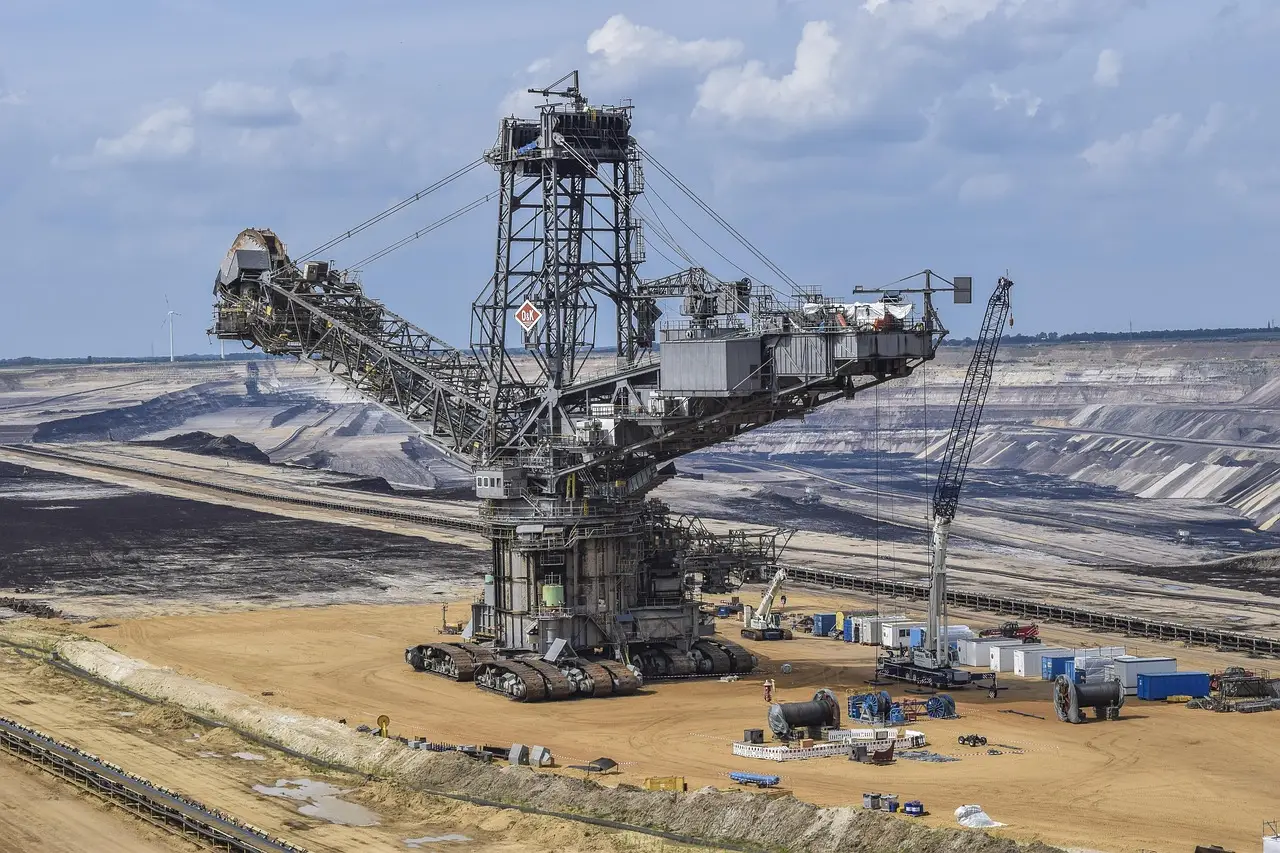
The United States imported 12.6 million metric tons of potash in 2025, while Canada normally supplies 85% to 90% of U.S. imports; a Belarus purchasing agreement announced by President Donald Trump is unlikely to change that balance. Potash, the common term for potassium fertilizer, provides one of three essential crop nutrients, alongside nitrogen and phosphate.
The United States imports nearly all of the potash its farmers use, but a new white paper from The Fertilizer Institute (TFI) finds that Belarus faces commercial and logistical limits. U.S. Geological Survey Minerals Yearbook data cited in the paper place 2025 imports within the typical annual range of 11 million to 14 million metric tons.
TFI estimates that Belarus could realistically supply an additional 1 million to 1.5 million metric tons to the United States each year, equivalent to 8% to 12% of 2025 imports. This is an estimate of potential shipments, not a record of actual cargo delivered under the agreement. TFI makes the full white paper available.
What did Trump’s agreement change?
At the end of September 2026, Trump announced on social media a purchasing agreement for potash from Belarus, prompting widespread questions about whether the European country could become a significant new supplier to the United States. The announcement did not resolve the constraints behind Belarus’s export trade, TFI’s analysis says.
Belarus reached peak production of about 14.5 million metric tons in 2021 and exported a record 12.3 million tons that year. Its exports then eased to 10.8 million tons in 2024.
Belarus ranked fourth in estimated global potash production in 2025:
- Canada: 15 million metric tons
- Russia: 10 million metric tons
- China: 6.3 million metric tons
- Belarus: 6 million metric tons
- Germany: 3 million metric tons
At first glance, Belarus’s total exports roughly equal all U.S. potash imports in a given year. TFI cautions that production capacity does not reveal available supply because much of the potash already has a destination.
Can existing buyers absorb the shift?
Belarus has established buyers that rely on its potash to support their own agricultural sectors. The countries receiving Belarusian exports fell from more than 80 in 2021 to fewer than 20 in 2024 despite relatively steady export volumes. China’s share grew by 65%, while shipments to Europe, North America and Africa essentially stopped.
Christopher Glen, TFI’s vice president of public affairs and advocacy, said: “Sending additional potash to the U.S. market would require Belarus to divert production away from existing customers, something Belarus is unlikely to do, especially when it comes to export markets that remained open to them amid international sanctions.”
What does landlocked geography add?
Belarus’s landlocked position adds another constraint. After losing its former export route through Lithuania, the country must move potash by longer rail journeys through Russia to reach ocean ports, adding cost before shipment. A cargo bound for the United States would then cross the ocean and travel inland, most likely through the Port of New Orleans.
How does logistics affect farm costs?
Canada retains a decades-old supply chain built to move potash into American farm country. Its primarily rail deliveries arrive throughout the year, allowing buyers to purchase closer to when they need fertilizer and limiting storage. A typical Belarusian vessel would carry 40,000 to 50,000 metric tons, requiring barges, railcars or storage; larger flows would require specialized, corrosion-resistant railcars.
River conditions impose further limits. Winter ice closes the Upper Mississippi to barge traffic, and low water in fall constrains barge loads. Other fertilizers already compete for barge space. Glen said these barriers do not rule out additional imports, but they make replacing a large share of Canadian supply difficult.
Those logistics bear directly on farm margins. Glen said: “Transportation, handling, storage and delivery to growing regions all factor into what farmers ultimately pay.” A lower purchase price overseas would not necessarily reduce a grower’s delivered fertilizer cost, and added handling could absorb apparent savings.
Can Belarus replace Canada?
Even at TFI’s estimated upper end, Belarus would supply 12% of 2025 imports and leave Canada with the large majority. The potential 1 million to 1.5 million tons would exceed the roughly 750,000 metric tons the United States imported from Belarus in 2019, its previous peak year.
Belarus can still broaden nutrient access, which Glen called a positive contribution to American agriculture. For the foreseeable future, Canada’s scale, proximity and established transportation network should keep it in the primary-supplier role, TFI concludes.
The agreement’s significance will depend on whether traders can secure corrosion-resistant railcars, port and inland handling capacity, and competitive delivered costs; without those pieces, Canada should retain the large majority of U.S. potash supply.
via Farm Progress (Source)
More from Rebecca Stone
Show full bio
Market editor covering people, launches and day-to-day practice in Agribusiness coverage for industry professionals at Agribusiness Wire.
462 articles
Also in the yard
- Trump Says U.S. Pursuing 'Massive' Belarus Potash Deal
- Fertilizer Prices Extend Climb as Potash Export Capacity Gets $500M Boost
- Iran and Belarus Signal Push to Deepen Agricultural Trade
- Russia-Turkey Fertilizer Deal Refocuses Attention on U.S. Input Costs
- US Sanctions on Russia Sow Confusion Across Fertilizer Market