Lot No. LOT-8714 · offered September 29, 2026
Seeds, Crop Protection & FertilizerLot sheet
New Method Aims to Decode Insect Sexual Communication for Crop Protection
Phys.org reports a new method for understanding insect sexual communication, a development with potential implications for pheromone-based crop protection products.
Market notes
- Phys.org has reported a new method for understanding insect sexual communication.
- The method's target pest species, research team, and commercialization status were not disclosed in the initial report.
- Advances in decoding insect signaling carry implications for mating-disruption and monitoring products used in crop protection.
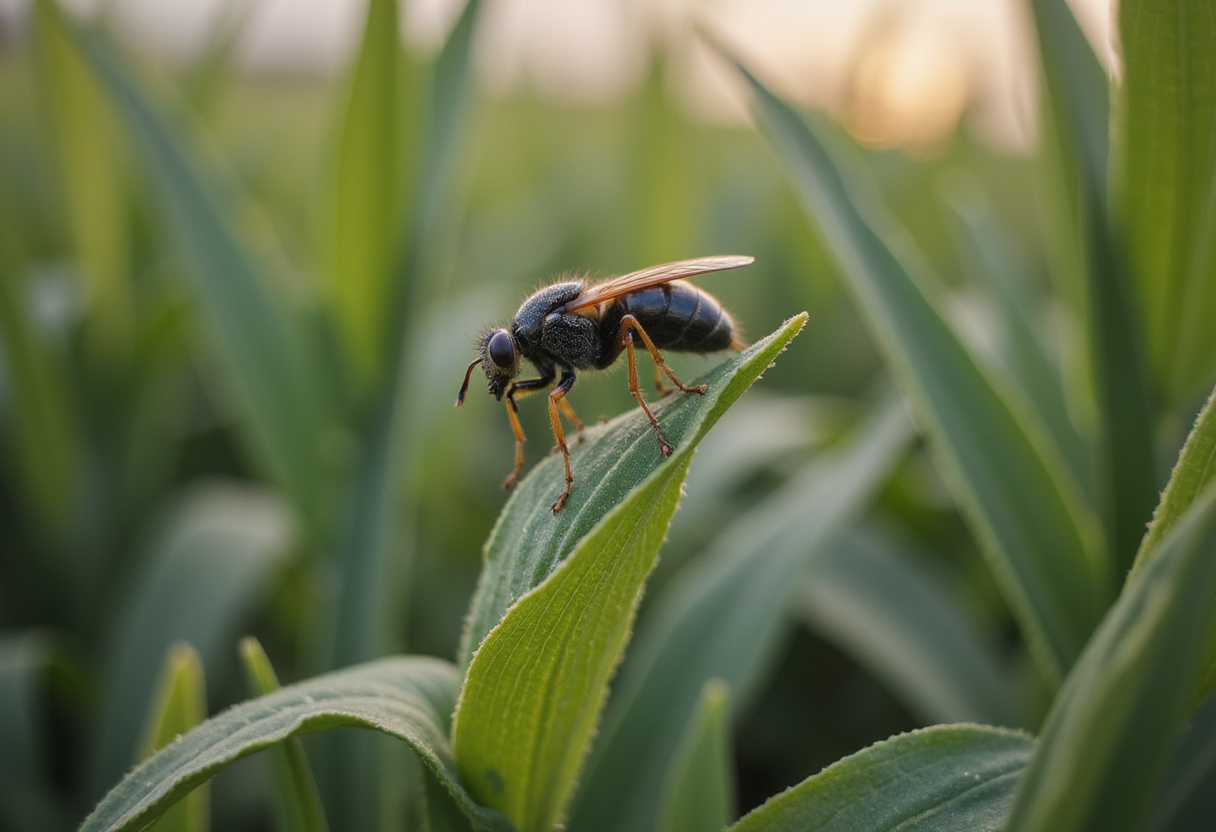
A new method for understanding insect sexual communication has been reported by Phys.org, positioning the work as a potential tool for crop protection.
The approach centers on how insects use chemical signals to find mates. For decades, researchers and crop protection companies have exploited these signals — pheromones — to disrupt mating in pest species, monitor populations, and reduce reliance on broad-spectrum insecticides. Any advance in decoding how those signals are produced, perceived, or processed by insects carries direct implications for the design of mating-disruption products and monitoring lures used across row crops, orchards, and vineyards.
For growers, the practical question is whether new methods of studying insect communication translate into more precise, more durable, or cheaper pheromone-based control. Mating disruption already competes with conventional chemistry on cost and efficacy in crops such as cotton, pome fruit, and grapes, and improvements in signal understanding could sharpen that position as input buyers weigh integrated pest management programs against rising insecticide costs.
Details of the method, the research team involved, and the target pest species were not disclosed in the initial report. The Phys.org item did not specify whether the work has proceeded to field trials, regulatory review, or commercial development with an ag-input partner — stages that typically separate laboratory findings from products a grower can buy.
That gap matters for agribusiness readers. Academic methods for studying insect communication frequently take years to move from publication to field application, and only a fraction attract the industry partnerships needed for formulation, registration, and distribution. Without named collaborators or a commercialization pathway, the finding stands as an early-stage research development rather than a market signal.
Still, the underlying science sits squarely in a growth area for crop protection. Pheromone-based products hold a favorable regulatory profile compared with synthetic insecticides, face fewer resistance concerns, and fit consumer and export-market demands for lower chemical residues. Input makers have expanded their investment in this segment, and improved methods for understanding the signaling biology of pest insects could shorten development timelines across the category.
Agribusiness Wire will track whether the research team discloses further detail on the method, including its target species, cost profile, and any industry collaboration, and will report on validation results as they become available.
via Google News: Crop protection (Source)
More from Nathan Brooks
Show full bio
Staff writer covering marketplaces and e-commerce at Agribusiness Wire.
173 articles
Also in the yard
- Precision Agriculture Emerges as Key to Biological Crop Protection
- Challenge 250: New Crop Protection Initiative Targets Invasive Pests
- Pest Resistance Reshapes U.S. Crop Protection Strategies
- EPA Registers Vive's Bifender Duo for Soil Insects, Nematodes
- Pest Resistance Pushes India's Crop-Protection Firms to Rethink Product Playbooks