Lot No. LOT-5981 · offered November 6, 2026
Crop EconomicsLot sheet
20-acre roller-crimping test puts Maryland grower’s next crop to work
Maryland farmer Chris Weaver roller-crimped a 20-acre plot before corn and will assess yield, residue breakdown and organic matter next spring. His 1,000-acre farm also tests 27,000-plant corn stands.
Market notes
- A 20-acre plot compares 60-foot roller-crimped sections with 30-foot uncrimpled sections.
- Cover crops planted June 23 or July 15 reached reproductive stage before the Oct. 20 crimping.
- Corn stands as low as 27,000 plants per acre are part of a second-year nitrogen and seed-cost test.
- Combined soybean acreage yielded 65-135 bushels per acre, while corn yielded 192-350 bushels per acre.
- Weaver plans to spot-sell 4,000-5,000 corn bushels for storage space and hold the rest until December.
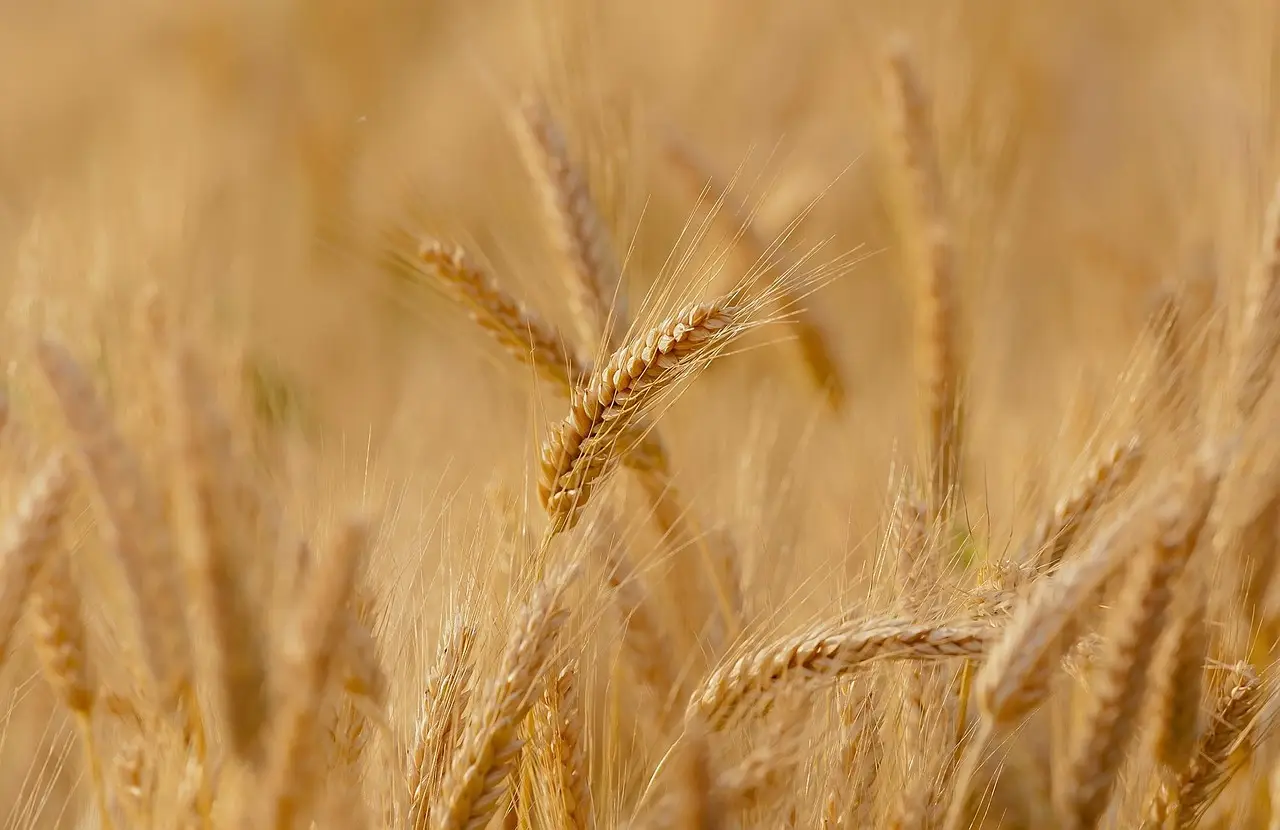
A 20-acre trial on Chris Weaver’s 1,000-acre farm in Finksburg, Maryland, will test whether fall roller-crimping gives cover crops an advantage over leaving them uncrimped before corn planting next spring. Weaver had combined about 70% of his soybeans and nearly 60% of his corn.
He calls the trial a risk even as harvest remains strong, but tight crop margins have made him willing to test it. He also operates a seed-sales business and a small feedlot.
What will the fall crimp show?
The 20-acre plot pairs 60-foot sections that Weaver roller-crimped with adjacent 30-foot sections left uncrimped. He will compare corn yield, residue breakdown speed and organic-matter gains, while addressing the broader question of fall crimping versus spring crimping. The plots will go to corn next spring; any verdict remains a forecast until then.
He plans to spray Residue RX, an organic product from Concept AgriTek, to break down residue and increase organic matter. Spring yield and residue measurements will determine whether fall crimping earns a place in Weaver’s rotation.
Why crimp in the fall?
His cover crop mix went in on June 23 or July 15 behind barley and rye. By October 20, the late-June and mid-July plantings had reached reproductive stage, the window Weaver wanted for crimping. At that stage, roller crimping cracks stems without severing them, kills the cover crop and keeps roots anchored, preserving soil structure and limiting erosion and crusting.
The mix included:
- Radishes, crimson clover and Austrian winter peas
- Buckwheat, sunn hemp and sunflowers
- Clover and turnips
Weaver applied lime after harvesting the barley and rye.
He chose fields that once carried double-crop beans and that he described as some of his worst performers. He shifted double-crop beans to more productive soils, where he says the crop can easily yield 60 bushels or more. Weaver said the roller-crimping idea surfaced while he was driving alone, and he will use spring results to refine the practice.
Can lower corn populations hold yields?
In a second-year plant-population experiment in the same field, Weaver planted corn as low as 27,000 plants per acre while reducing nitrogen. His results remain preliminary, but he said the lower populations were producing increased yields.
“This year, besides reducing nitrogen, we planted some corn as low as 27,000 plants per acre, and we're seeing increased yields,” Weaver said. “If I can still produce the same amount of corn using less seed and less nitrogen, that's more money in my pocket.”
The population result looks promising now; the cover-crop verdict comes next spring.
What do the harvested results show?
About 70% of Weaver’s soybeans and nearly 60% of his corn had been combined. Soybean yields on harvested acreage ranged from 65 to 135 bushels per acre. He called the beans clean and large, with no docks for purple or coffee staining. Heat stress appeared across different soil types, though some soils handled it better.
For the corn already combined, yields ranged from 192 to 350 bushels per acre, which Weaver called solid. Green soybean stems absorbed moisture after sunset, often ending combining for the day. Limited on-farm storage also constrains his pace; a contracted hauler can move about 1,000 bushels at a time.
After corn and beans, Weaver plans to seed radishes, triticale, buckwheat, Austrian winter peas and clover as cover crops. The trial will measure how the mix breaks down and contributes organic matter after next spring’s comparison.
The harvested numbers look favorable, while heat-related stem moisture and limited storage constrain the remaining work.
How is Weaver marketing the crop?
Weaver has forward-contracted most of his crops, but not all. He regrets not selling more soybeans at $13 per bushel and will hold the remainder until prices approach that level. Corn prices have dipped following USDA yield reports.
His immediate sales are driven by storage needs, not a full liquidation. Weaver will spot-sell 4,000 to 5,000 bushels to free bin space and hold the remaining corn until December, aiming for the best average across the farm.
“Marketing is one of those things where I'm never going to hit the high, but I'm also trying not to hit the low,” he said. “I feel like I've done a pretty good job overall, but you never do a great job.”
That approach prioritizes available storage and the farmwide average rather than trying to time every sale.
What happens next?
American Agriculturist has followed Weaver’s 2026 farming season monthly since planting and plans to continue tracking the farm through the month.
With harvest nearing completion, the decisive test comes next spring, when Weaver compares crimped and uncrimped plots after the cover crops have had time to break down. He will assess corn yield, residue decomposition and organic matter, then decide whether fall crimping belongs in next year’s plan.
via Farm Progress (Source)
More from Grace Kim
Show full bio
Correspondent covering people, launches and day-to-day practice in Agribusiness coverage for industry professionals at Agribusiness Wire.
464 articles
Also in the yard
- Weed Escapes Offer Growers a Diagnostic Read on Next Season
- Half-Inch Rain Keeps Combines Parked in Eastern Iowa Cornfields
- Eastern Iowa Corn, Soybean Quality Holding Despite Wet Harvest Worries
- BASF Agronomists Detail No-Till Crop Protection Guidance
- Weed Scientists Urge Growers to Hit Cover Crop Windows in Grain Systems