Lot No. LOT-2904 · offered October 11, 2026
Agricultural PolicyLot sheet
Senate Panel Blocks Farm Bill Advance as SNAP Fight Stalls Markup
The Senate Agriculture Committee failed to advance a farm bill, deadlocking over SNAP funding and stalling commodity, crop insurance and conservation titles with it.
Market notes
- The Senate Agriculture Committee failed to advance a farm bill out of committee.
- The stalemate centers on SNAP — the nutrition title that is the largest share of farm bill spending.
- The deadlock stalls commodity programs, crop insurance and conservation titles behind the nutrition dispute.
- Lawmakers must now renegotiate SNAP, seek a bipartisan deal at leadership level, or fall back on an extension of current law.
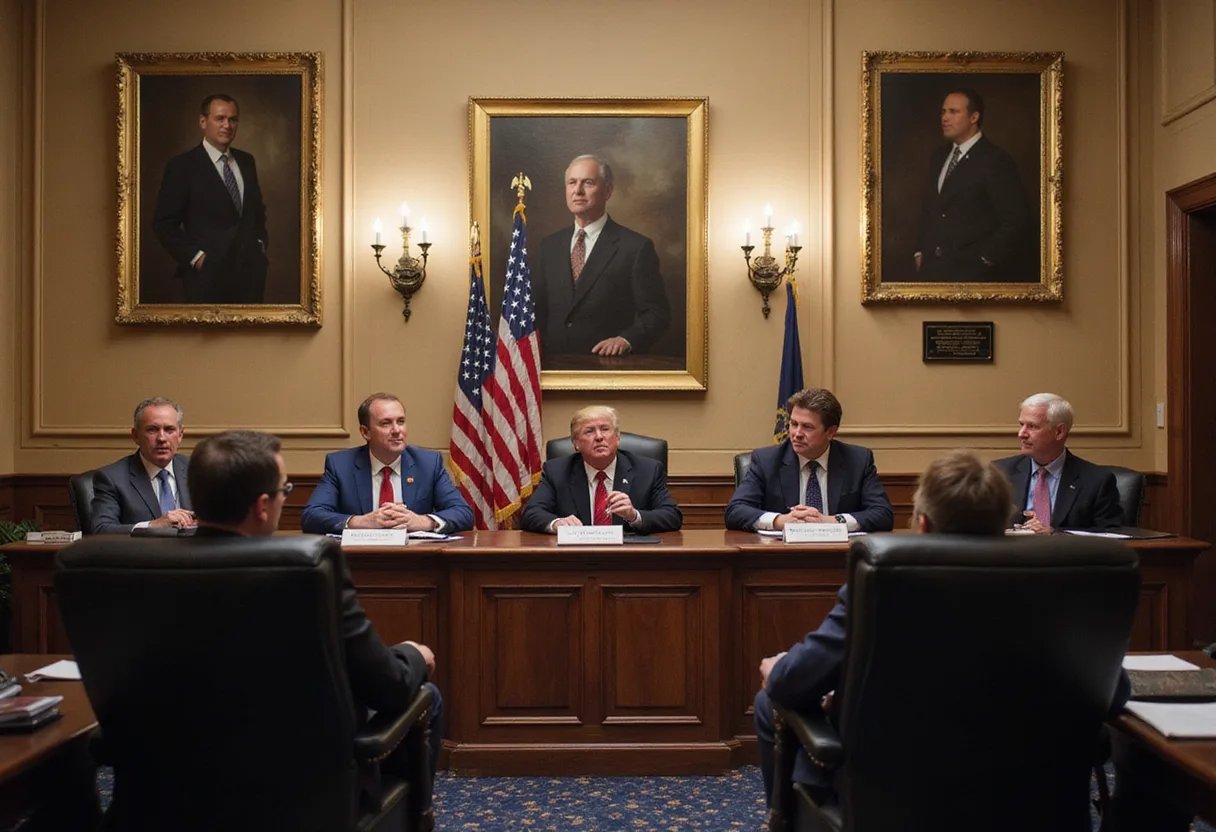
The Senate Agriculture Committee has failed to advance a farm bill, deadlocking over Supplemental Nutrition Assistance Program funding in a stalemate that leaves commodity programs, crop insurance and conservation title deadlines without new legislation.
Alabama Daily News reports the panel could not move the bill out of committee, with SNAP — the nutrition title that consumes the largest single share of farm bill spending — standing as the core dispute between the parties.
The breakdown matters well beyond Washington. Every farm bill cycle, the nutrition title and the farm titles move together as a single legislative package. When SNAP negotiations collapse, commodity support, reference prices, crop insurance enhancements and conservation program funding all stall behind them.
What happens when the committee cannot move a bill?
A failed committee advance means the farm bill cannot reach the Senate floor in its current form. Lawmakers would need to renegotiate the nutrition title, seek a bipartisan compromise on SNAP funding levels and eligibility rules, or fall back on an extension of current law.
For growers, that uncertainty carries direct balance-sheet consequences. Key programs authorized under the existing farm bill — including Agriculture Risk Coverage, Price Loss Coverage and federal crop insurance — operate only under current authority. Without reauthorization or extension, program deadlines, enrollment windows and payment schedules fall into question.
Why SNAP keeps blocking the farm bill
SNAP has anchored every farm bill coalition since the 1970s, pairing urban nutrition interests with rural farm programs to build the votes needed for passage. That linkage cuts both ways: it builds broad coalitions in normal years, but a partisan split over nutrition spending can freeze the entire package.
In this cycle, the panel's failure to advance the bill signals that the traditional coalition did not hold at the committee level. The dispute follows the familiar pattern of recent reauthorization fights, in which the size of SNAP benefits and eligibility restrictions have divided the parties more sharply than any farm title provision.
What is at stake for producers
Farm-state senators and commodity groups have pressed for updated reference prices and higher subsidy ceilings in the commodity title, arguing input costs have outrun the protection levels set in the last farm bill.
A committee deadlock pushes all of that — commodity title reform, crop insurance modifications, conservation funding and specialty crop programs — into an indefinite holding pattern. The longer the stalemate runs, the more likely lawmakers resort to a short-term extension that freezes current program parameters rather than rewriting them.
Alabama producers, like growers across the Southeast, face the same calculus: program payments and insurance structures pegged to an aging law while input, land and financing costs continue to climb.
What comes next
The bill's path forward now depends on whether Senate leaders can broker a SNAP compromise outside the committee room, or whether leadership opts to bypass regular order and negotiate a package at the leadership level. Either route requires resolving the same nutrition-spending dispute that stopped the panel.
Absent a deal, attention shifts to the prospect of an extension — a fallback that keeps programs running but defers decisions on reference prices, subsidy limits and conservation funding to a later Congress.
via Google News: Farm bill and ag policy (Source)
More from Olivia Hart
Show full bio
News editor covering technology and product news in Agribusiness coverage for industry professionals at Agribusiness Wire.
420 articles