Lot No. LOT-5176 · offered October 13, 2026
Agricultural PolicyLot sheet
Farm Bill Stalls in Senate Ag Committee Over SNAP
The farm bill has stalled in the Senate Agriculture Committee over SNAP, leaving commodity programs and crop insurance without a legislative vehicle as negotiations continue.
Market notes
- The farm bill has stalled in the Senate Agriculture Committee over disagreement on SNAP.
- The dispute blocks markup of the full bill, including Title I commodity programs and crop insurance.
- The nutrition title is the largest single share of farm bill spending.
- The 2018 farm bill has lapsed and current law is running on extensions.
- A markup date from the Senate Ag Committee would signal the impasse has broken.
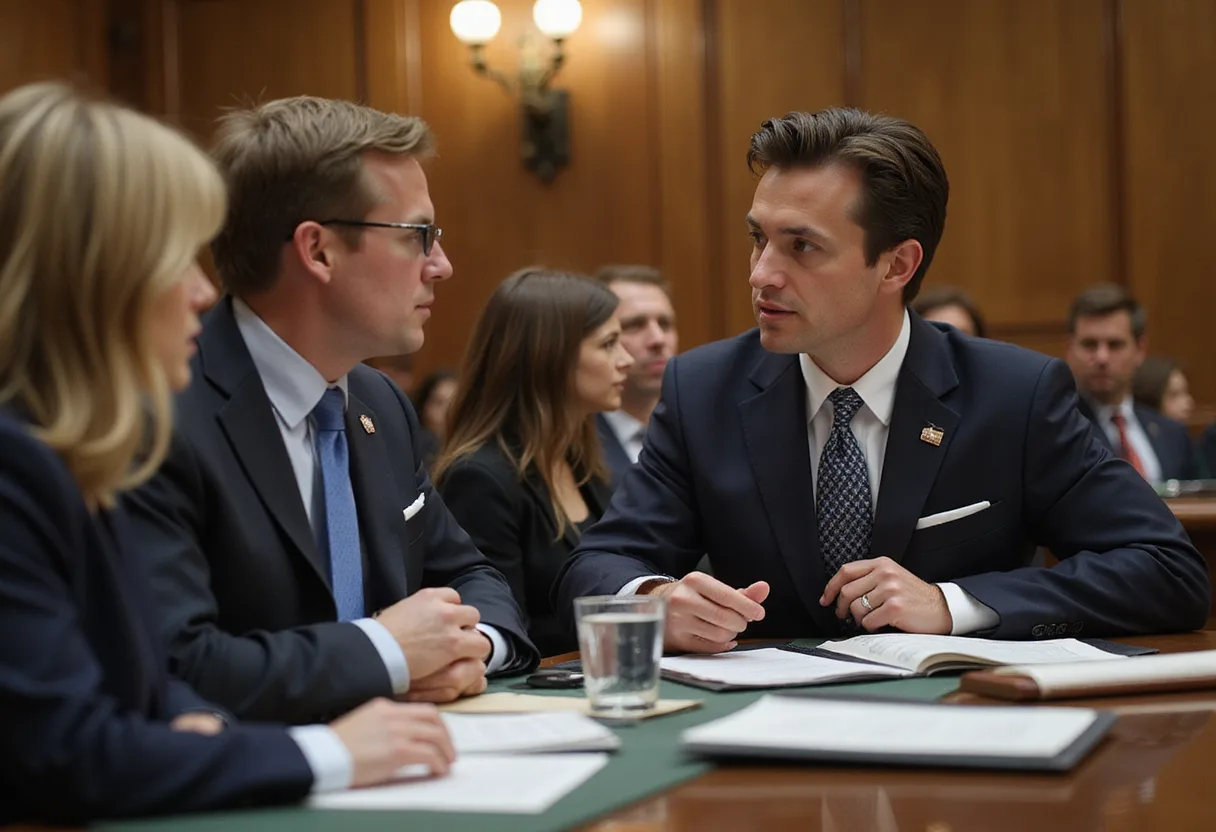
The farm bill has stalled in the Senate Agriculture Committee over SNAP, leaving commodity programs, crop insurance and conservation funding without a legislative vehicle as the current authorization runs on extensions.
The holdup centers on the nutrition title (the section of the bill that funds the Supplemental Nutrition Assistance Program), which consumes the largest single share of farm bill spending. Senate committee members remain divided over how to handle SNAP, and that disagreement has blocked the committee from moving to markup — the session where members amend and vote on draft text.
What does the stall change for agriculture?
For growers, the practical consequence is delay. Title I commodity programs, which set reference prices and support payments for crops such as corn, soybeans, wheat and cotton, cannot be updated until the full bill moves. The same applies to any adjustments to the crop insurance title, which determines subsidy levels for producer premiums.
The deadlock also leaves farm groups and input suppliers without a clear planning horizon. Equipment dealers, lenders and input makers track the farm bill because program payments flow into farm income and, by extension, into demand for seed, fertilizer and machinery.
Why SNAP blocks the whole bill
The nutrition title and the farm programs sit in a single piece of legislation by design. That structure pairs urban nutrition votes with rural farm support — a coalition that has historically carried the bill through Congress. When the nutrition side fractures, the coalition fractures with it, and neither Senate committee leaders nor floor managers can advance the package.
Senate Agriculture Committee leadership must either broker a compromise on SNAP or pursue another extension of current law, as Congress has already done since the 2018 farm bill lapsed.
What comes next
Observers of the process say the path forward runs through negotiation between committee leaders and the leadership of both parties on the SNAP dispute. Without that agreement, the committee cannot schedule a markup, and the bill cannot reach the Senate floor.
For producers, the next concrete signal to watch is whether the Senate Agriculture Committee announces a markup date — the earliest indicator that the SNAP impasse has broken.
By Rebecca Stone, Agribusiness Wire
via Google News: Farm bill and ag policy (Source)
More from Rebecca Stone
Show full bio
Market editor covering people, launches and day-to-day practice in Agribusiness coverage for industry professionals at Agribusiness Wire.
431 articles