Lot No. LOT-1770 · offered October 11, 2026
Agricultural PolicyLot sheet
Schmitt: Continuing Resolution Buys Congress Time for Farm Bill
Senator Eric Schmitt says the continuing resolution gives Congress working time to complete the next farm bill, easing pressure on stalled reauthorization talks.
Market notes
- Senator Eric Schmitt says the continuing resolution gives Congress time for farm bill work.
- The farm bill remains unresolved and has been running on an extension.
- Schmitt offered no specific markup date or deadline in his remarks.
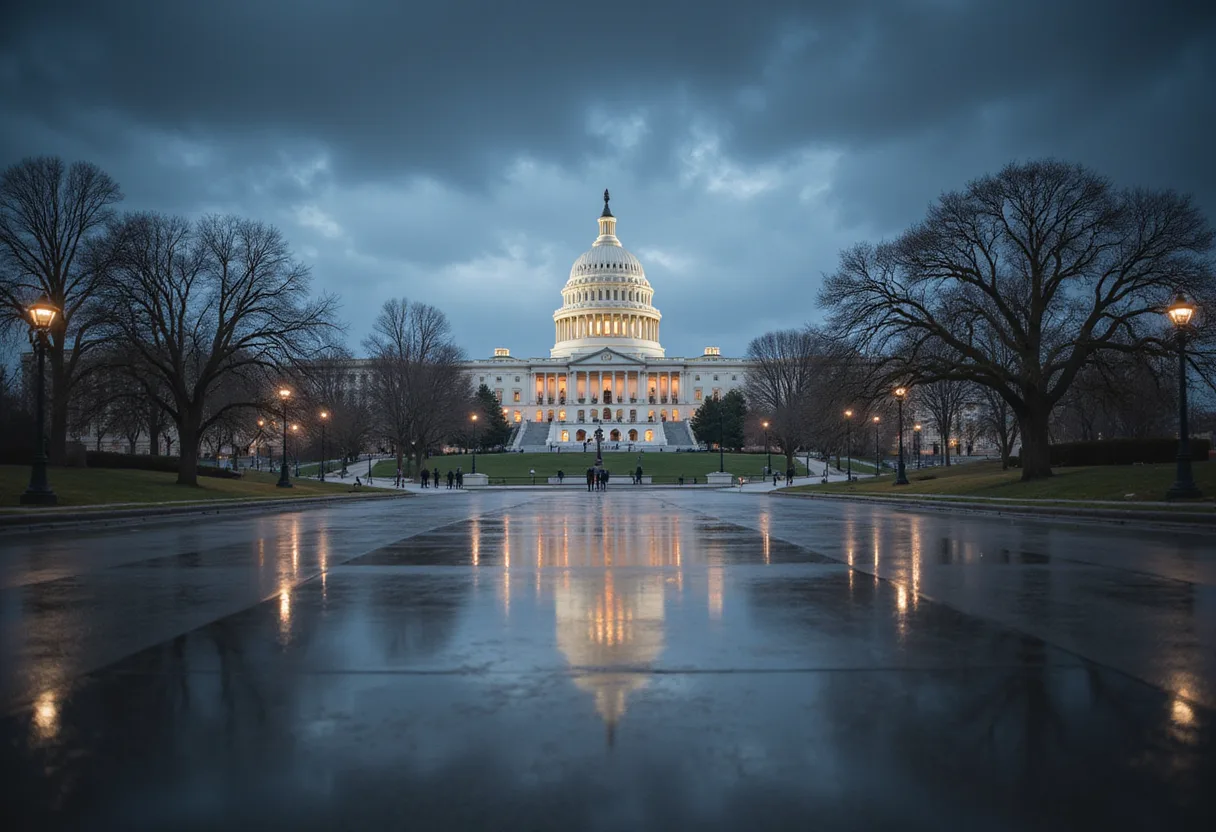
The continuing resolution now in place gives Congress time to finish work on the next farm bill, Senator Eric Schmitt told Brownfield Ag News.
Schmitt framed the stopgap spending measure not as a setback for agriculture policy but as a practical opening. With government funding extended through the resolution, lawmakers no longer face an immediate shutdown deadline competing with farm bill negotiations. That, he said, clears room for the committee work and floor time a five-year authorization demands.
The farm bill — the sweeping authorization covering commodity programs, crop insurance, nutrition assistance and conservation — has been operating on an extension after Congress failed to pass a full reauthorization on schedule. Growers and farm groups have spent months pressing for certainty on titles that shape input planning, planting decisions and risk management purchases.
What does the resolution change?
By itself, the continuing resolution does not rewrite any farm bill title. Its significance is procedural: it removes the threat of a funding lapse that would have consumed congressional attention and crowded out agriculture policy work.
Schmitt's argument is that the breathing room matters. Farm bill conference work requires sustained negotiation across House and Senate versions that differ on commodity support levels, reference prices and nutrition spending. A shutdown fight, he suggested, would have pushed that negotiation further into the calendar and deeper into the next planting cycle.
Why the timeline matters for growers
For producers, the pace of farm bill work carries direct financial weight. Key program decisions — from Agriculture Risk Coverage and Price Loss Coverage elections to crop insurance pricing — sit downstream of what Congress writes into law.
Every month of delay in reauthorization extends the period in which farmers plan budgets against outdated program parameters rather than a new baseline. Schmitt's message to the agricultural audience was that the continuing resolution converts that delay from an indefinite stall into a defined window in which Congress can act.
The senator did not lay out a specific markup date or commit to a deadline in his remarks. His point was directional: the funding agreement preserves the possibility of completing farm bill work rather than defaulting to another extension.
What comes next
Farm bill progress now depends on whether House and Senate agriculture leaders use the window Schmitt described. Committee negotiations, title-by-title differences and the broader appropriations picture will determine whether the next reauthorization reaches the finish line or slips again — and Schmitt signaled he expects the resolution's time to be spent on exactly that work.
via Google News: Farm bill and ag policy (Source)
More from Olivia Hart
Show full bio
News editor covering technology and product news in Agribusiness coverage for industry professionals at Agribusiness Wire.
420 articles