Lot No. LOT-1548 · offered October 9, 2026
Seeds, Crop Protection & FertilizerLot sheet
Seed Patents Shift Costs to Farmers, Private Firms Profit
A UPI analysis argues that patent-driven seed royalties transfer costs to farmers and consumers while private companies capture recurring profits on every planted acre.
Market notes
- UPI analysis claims everyone pays for seed patents while private firms profit
- Patented seed embeds royalty payments in prices growers pay each season
- Seed patents restrict farmer seed-saving, pushing purchases into the licensed market
- Seed ranks among the largest input costs for major row crops
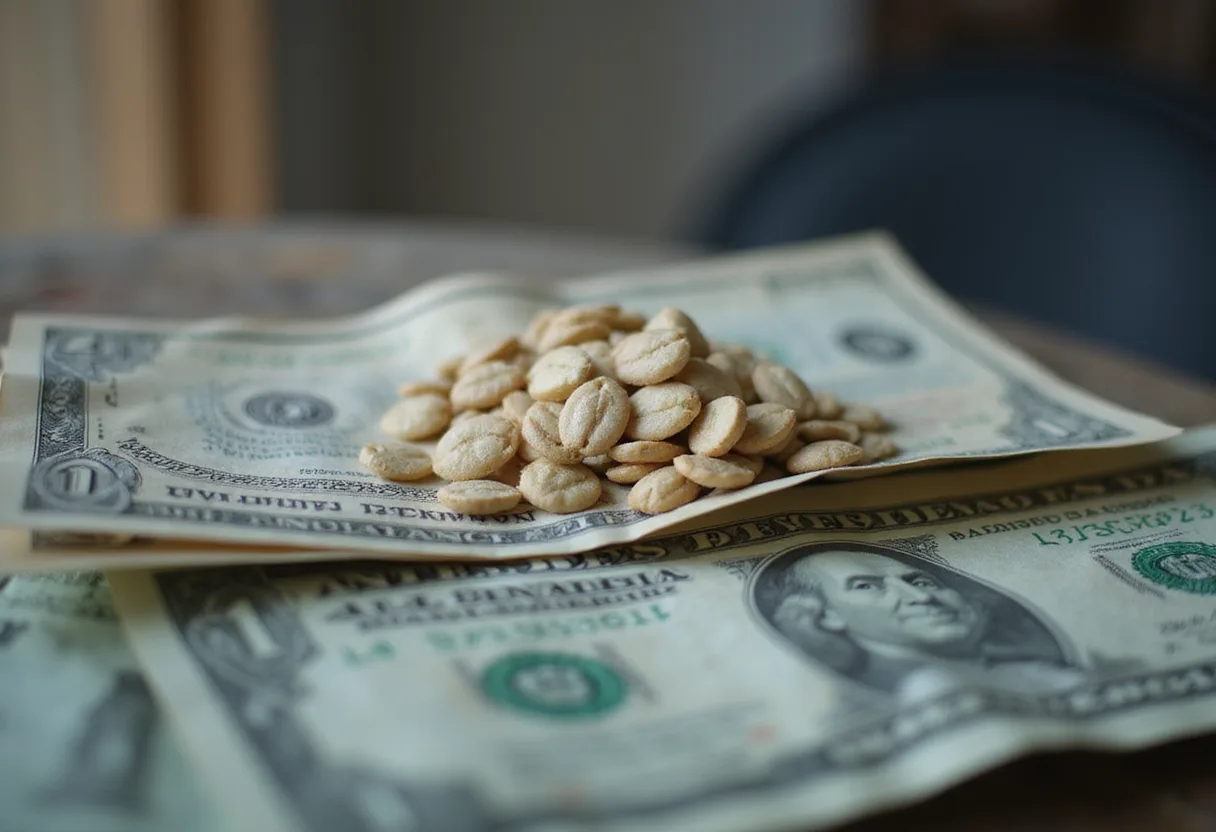
Every farmer, and ultimately every consumer, pays for patents on seeds, while private companies collect the profits — that is the central claim of an analysis published by UPI examining the role of intellectual property in modern agriculture.
The report focuses on a structural question that sits at the intersection of agronomy, trade policy and farm margins: who captures the value created by decades of plant breeding, and who bears the cost. Its answer is blunt. Royalties and licensing fees built into patented seed varieties flow to a small number of private companies, while the expense is distributed across growers and, eventually, down the food chain to buyers.
What does the patent system change for growers?
For most of agricultural history, farmers saved seed from one harvest to plant the next season. That practice defined the economics of cropping systems for generations and kept a significant share of the cost of production outside the cash economy. Patented varieties change that equation. Once a trait or variety is protected, saving and replanting seed can trigger legal liability, and growers must return to the market each season to buy licensed product at prices that include royalty payments.
The UPI analysis frames this as a wealth transfer mechanism. The cost of the royalty is embedded in the seed price the grower pays. The grower passes what margin pressure permits along the supply chain. The company that holds the patent collects a recurring revenue stream on every acre planted with its genetics, regardless of whether the growing season delivers a profit for the farmer who bought the seed.
Why does the claim matter now?
Seed patents sit at the center of several live policy debates. Input costs have become one of the largest line items in farm budgets, and seed ranks among the most significant of those inputs for major row crops. When a small number of firms control protected genetics, growers face limited practical alternatives at planting time, which weakens their negotiating position on price precisely where the cost burden is heaviest.
The analysis also raises a distributional question that policymakers in several jurisdictions have examined: whether the incentive structure that patents create — designed to reward innovation in plant breeding — has instead consolidated returns among rights holders without a proportionate benefit flowing back to the producers who adopt the technology.
UPI's argument contributes to an ongoing conversation that includes plant breeders' rights regimes, antitrust scrutiny of input-sector consolidation, and public breeding programs that compete, with shrinking budgets, against private genetics backed by patent portfolios.
How should readers weigh the claim?
The piece is an argument, not a harvest report. It advances a thesis about who pays and who profits, and readers should treat it as analysis rather than as a field-level accounting of royalty flows. Verifying the magnitude of the transfer it describes would require data the report itself does not enumerate: royalty rates by crop, seed price trajectories against farm-gate receipts, and the share of protected varieties in planted acreage.
That caveat does not blunt the relevance of the question. Seed is a cost every grower bears every season, and the terms on which it is sold are set by legal structures that farmers did not design. As input-price pressure continues to squeeze operating margins across major production regions, expect the debate over who owns plant genetics — and who pays for that ownership — to keep returning to legislative agendas in the seasons ahead.
via Google News: Seed industry (Source)
More from Rebecca Stone
Show full bio
Market editor covering people, launches and day-to-day practice in Agribusiness coverage for industry professionals at Agribusiness Wire.
431 articles
Also in the yard
- Seed Patent Secrecy Pushes Costs Across the Farm Economy
- U.S. Seed Costs Run Well Above Industry Claims, Analysis Finds
- Seed Industry Presses U.S. to Drop Tariffs on Research Seed
- Branded Inputs Where It Matters, Generics Where They Pay
- China unveils plant breeding IP framework to accelerate seed innovation