Lot No. LOT-4374 · offered October 9, 2026
Seeds, Crop Protection & FertilizerLot sheet
Canadian Seed Industry Flags 'Lost Year' in Crop Breeding, Field Trials
Canada's seed industry has warned that the current season amounts to a lost year for crop breeding and field trials, raising concerns about variety pipelines, registration data and on-farm testing timelines.
Market notes
- Canadian seed developers have warned the current season amounts to a 'lost year' for breeding and field trials.
- Variety registration systems in Canada depend on multi-season, multi-location trial data that a missed year disrupts.
- Seed is one of the larger input-cost line items in Canadian crop budgets, amplifying the impact of thinner performance data.
- Public reporting has not yet detailed which crops, companies or trial programs are most affected by the disruption.
- The Canadian Food Inspection Agency registration pipeline is the key checkpoint for measuring how deep the lost-year effect cuts.
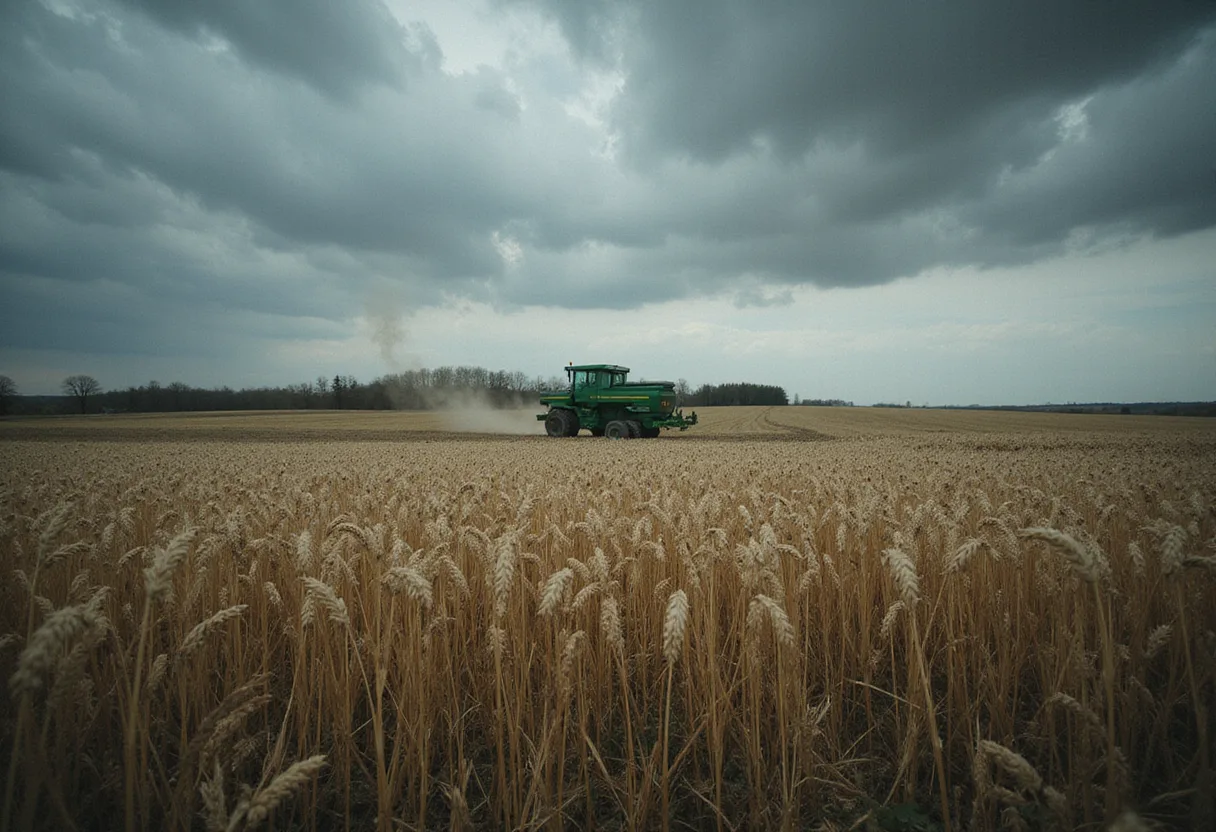
Canada's seed sector is warning that the current growing season amounts to a lost year for crop breeding and field-trial work, a setback that could ripple through variety pipelines, farm-level testing and the rollout of new genetics to growers across the country.
What did the industry say?
SeedWorld reported that Canadian seed developers have raised the alarm over an effective halt to much of the breeding and field-trial activity they rely on to advance new varieties. The headline framing — a "lost year" — signals that program timelines rather than just individual plots are at stake.
Why does one season matter this much?
A single missed season in Canadian breeding programs is not a one-year delay in calendar terms. Plant breeding cycles stack: crossing, inbred line development, multi-location yield testing, disease and quality screening, and registration trials each depend on a contiguous run of seasons. A gap in field-trial data forces breeders to repeat years, slow advancement decisions and defer commercial releases. For crops with longer cycles — winter wheat, hybrid canola, pulses under selection — the cost compounds.
Field trials also feed the registration system that governs which varieties Canadian farmers can plant. Without current data, the queue of candidates awaiting evaluation lengthens, and the varieties that do move forward carry thinner performance records from fewer sites and seasons.
How does this reach the farm gate?
New genetics are the lever growers pull most often to lift yields, manage herbicide-resistance pressure and adapt to shifting pest and climate conditions. When variety pipelines slow, the menu available to farmers at the local seed dealer thins out — fewer options, older releases carrying more of the load, and a longer wait for traits tailored to specific regions or end-uses.
Input costs compound the risk. With seed representing one of the larger line items in a Canadian crop budget, growers paying premium prices expect genetics backed by recent, multi-site performance data. A season of limited trials weakens that evidence base and shifts more uncertainty onto the buyer.
Where does the reporting stand?
SeedWorld's alert names the disruption but the publicly available reporting does not yet detail the scale, the specific crops affected or which breeding companies, cooperatives or trial co-operators are most exposed. The Canadian Seed Trade Association, CropLife Canada and individual program leads at Agriculture and Agri-Food Canada research stations typically publish annual trial results and registration updates; those releases will be the next checkpoint for measuring how deep the lost-year effect cuts.
What should growers and agronomists watch?
Three signals will indicate whether the lost-year warning translates into a delayed-pipeline problem or something more contained:
-
Registration trial output. The volume of candidates advancing through the Canadian Food Inspection Agency and Recommending Committees for variety registration, compared with a typical year, will show whether the data gap reached the regulatory stage.
-
Seed company release lists. Cutbacks in commercial variety launches for 2026 and 2027 planting will indicate how breeders chose to manage thin trial data.
-
On-farm demo and strip-trial programs. Reductions in third-party, grower-cooperator trials run by seed companies and grower associations will reveal whether the season's learning loss extends past breeders' own plots.
What happens next?
Industry comments referenced through SeedWorld point to the need for catch-up planning once conditions permit full trial activity to resume. Whether that means compressed multi-location testing in the following season, expedited data review, or simply resetting program calendars will depend on what the seed companies and their public-sector partners disclose in the coming months. Until those numbers land, the Canadian seed sector is operating with a hole in its data record that will shape variety choices and farm decisions for at least the next two growing seasons.
via Google News: Seed industry (Source)
More from Marcus Bennett
Show full bio
Senior reporter covering regulation, policy and their impact on Agribusiness coverage for industry professionals at Agribusiness Wire.
408 articles
Also in the yard
- Canadian seed sector backs Ottawa's innovation, regulatory shift
- Vegetable Seed Firms Face Pressure To Accelerate Product Cycles
- World Seed Congress Delegates Address Trade Disruptions and Genetics
- Seed Innovation Pipeline Starts Years Before Seed Hits the Ground
- Seed Industry Targets 10% of Global Seed Trade by 2035