Lot No. LOT-7787 · offered October 12, 2026
Agricultural PolicyLot sheet
Seed industry pins 2026 hopes on five-year farm bill, ASTA says
ASTA President and CEO Andy LaVigne says passing a new five-year farm bill tops the seed industry's policy agenda before the end of 2026, with trade developments close behind.
Market notes
- ASTA President and CEO Andy LaVigne says a new five-year farm bill is the association's top policy priority
- The seed industry's policy agenda runs through the end of 2026
- Trade developments rank alongside the farm bill on ASTA's watch list
- LaVigne warned the industry "would hate" to return next year without a farm bill in place
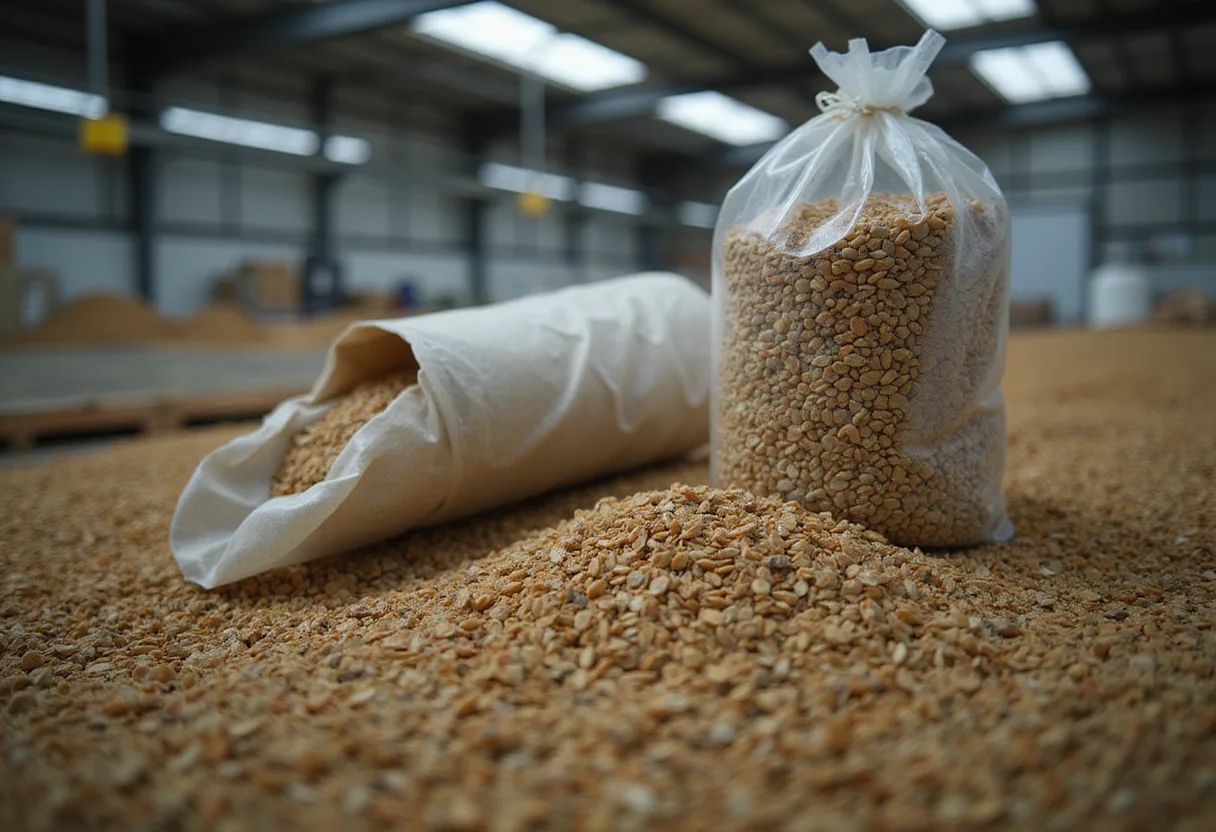
A new five-year farm bill sits at the top of the American Seed Trade Association's policy agenda, and the group's president and CEO, Andy LaVigne, wants it passed before the end of 2026 rather than dragged into another year of extensions.
LaVigne, who leads the trade group representing the U.S. seed sector, said several key policy issues remain on the association's agenda through the end of 2026. The farm bill leads that list. "We really would hate to come back next year and have" the process restart, LaVigne said, pointing to the industry's frustration with the legislative delay that has already pushed the measure past its original timeline.
Trade developments rank alongside the farm bill among the issues the seed industry is tracking, according to LaVigne's comments reported by Brownfield Ag News.
Why the farm bill matters for seed companies
For the seed trade, the farm bill is not an abstract policy exercise. The legislation shapes the research, conservation and planting decisions that ultimately drive demand for seed across row-crop and specialty segments. Each year Congress operates on an extension or continuing resolution instead of a full five-year bill, the planning horizon shortens for plant breeding programs that can take a decade or more to bring a new variety to market.
LaVigne's push for action by the end of 2026 signals the industry's preference for certainty over repeated short-term patches.
What is ASTA watching beyond the farm bill?
LaVigne identified trade as the second major track. Seed is an export-dependent business, and trade policy shifts — tariffs, phytosanitary rules and market access negotiations — move directly through to seed companies' order books and grower input costs.
The ASTA chief framed both files as unresolved. His agenda for the remainder of the current period includes:
- Securing passage of a new five-year farm bill rather than another extension
- Monitoring trade developments affecting seed movement and market access
- Advancing additional policy issues the association has queued through the end of 2026
Condition reports versus results
LaVigne's remarks are a policy statement from an industry advocate, not a legislative forecast. No committee action, floor vote or timeline commitment accompanied his comments. The farm bill's fate rests with congressional agriculture committees and House and Senate leadership, none of whom have announced a schedule tied to the seed industry's 2026 deadline.
For growers and input buyers, the practical takeaway is that the seed sector's leading trade association expects at least two more years of policy uncertainty to manage, with the association lobbying to compress that window.
LaVigne said the industry "would hate" to return next year still waiting on the bill — a signal ASTA intends to keep pressure on lawmakers through the remainder of the session.
via Brownfield Ag News (Source)
More from Olivia Hart
Show full bio
News editor covering technology and product news in Agribusiness coverage for industry professionals at Agribusiness Wire.
420 articles
Also in the yard
- SeedWorld Frames Farm Bill Uncertainty as Direct Seed-Industry Risk
- Senate Farm Bill Action Likely to Wait Until After Midterms
- Farm Bureau Presses Congress to Break Farm Bill Deadlock
- Farm Bill Expires Again, U.S. Agriculture Faces Renewed Policy Void
- Seed industry tracks farm bill, trade moves — details remain scarce