Lot No. LOT-5002 · offered October 9, 2026
Agricultural PolicyLot sheet
SeedWorld Frames Farm Bill Uncertainty as Direct Seed-Industry Risk
SeedWorld's editorial "Why Farm Bill Uncertainty Matters to Seed" positions stalled reauthorization as a direct operating risk for U.S. seed companies, trait developers and growers deciding next sales-cycle inputs.
Market notes
- SeedWorld published an editorial headlined "Why Farm Bill Uncertainty Matters to Seed" through its news feed.
- The headline ties stalled Farm Bill reauthorization directly to seed-firm planning, trait-release scheduling and grower purchase decisions.
- SeedWorld frames legislative timing — not just final policy text — as the binding constraint on multi-year seed-industry planning cycles.
- The editorial enters a wider trade-press debate over whether Congress will reauthorize the Farm Bill, extend prior law or revert to permanent-law provisions.
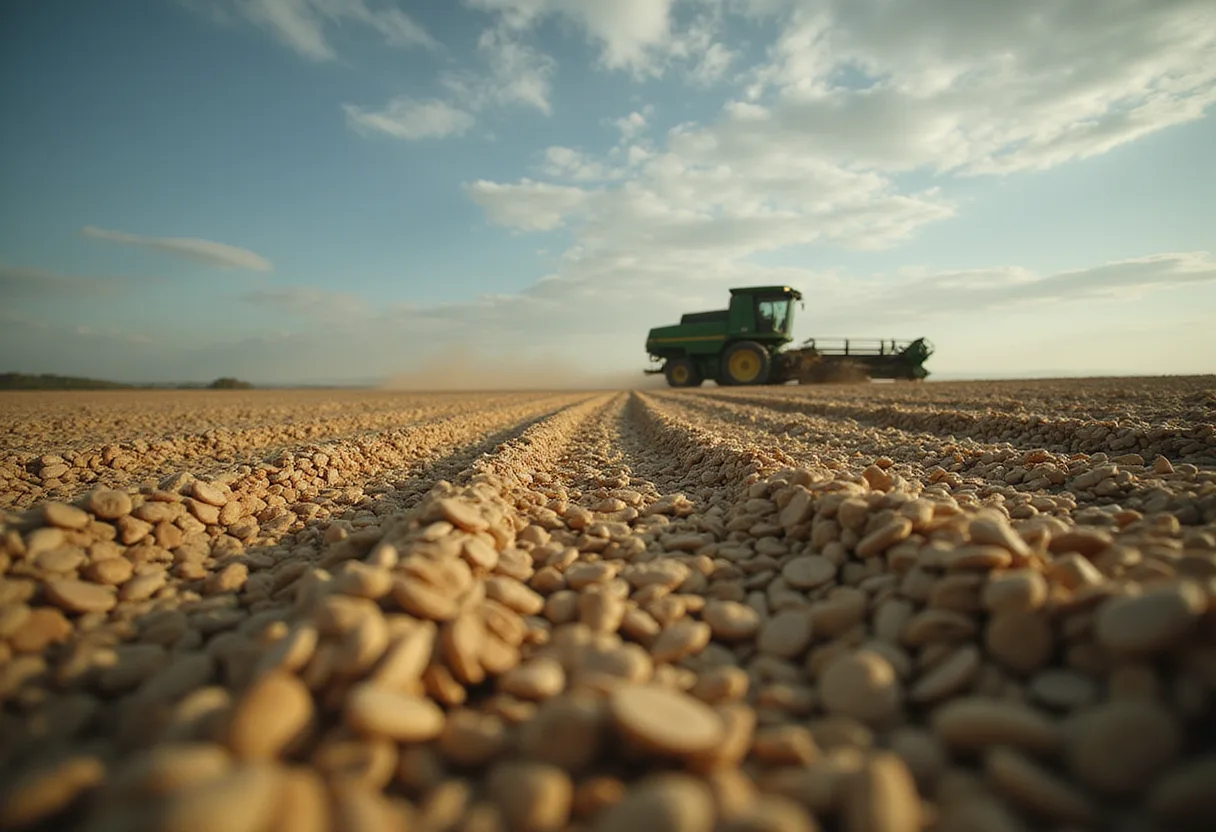
SeedWorld has published an editorial headlined "Why Farm Bill Uncertainty Matters to Seed," elevating stalled Farm Bill reauthorization as a direct operating risk for the U.S. seed sector.
The piece, distributed through SeedWorld's news feed, argues that legislative timing — not only final policy outcomes — directly conditions seed-company planning, trait-release scheduling and grower purchase decisions for the coming sales cycle.
What does the headline say about seed-industry exposure?
By naming seed directly in its headline, SeedWorld places seed-firm planning cycles at the center of the Farm Bill debate. Seed marketers coordinate product launches, royalty structures and customer-facing communications against multi-year USDA program definitions.
Without a completed bill or stable extension, those references shift or remain undefined for the coming season, the editorial's framing implies.
The choice to anchor on seed, rather than commodity prices or input costs broadly, signals that SeedWorld will frame any legislative delay as an operating risk for the companies that develop, produce and sell seed — a sector whose planning horizon extends well beyond a single crop year.
Why seed firms depend on policy stability
Seed-industry planning cycles are unusually long. Variety development, trait introgression and seed production all operate on multi-year timelines. Companies typically commit to production contracts well before growers finalize purchases.
Crop-insurance terms, conservation-program seed specifications and USDA research-funding channels all carry downstream consequences for what products seed firms bring to market and how they price them. The headline positions that long horizon against continuing resolutions, temporary extensions or slow reauthorization — conditions under which program parameters can shift mid-cycle.
How SeedWorld's framing fits 2025 coverage
The editorial enters a wider trade-press conversation over whether Congress will deliver a reauthorized bill, pass an extension of prior law, or revert to standing permanent-law provisions. By centering the seed sector in that question, SeedWorld joins outlets highlighting how Farm Bill timing and content affect input-industry operations as well as commodity and nutrition programs.
What stakeholders can do while the bill remains unsettled
- Watch SeedWorld for follow-up reporting on how individual seed companies are messaging to growers ahead of sales season.
- Track USDA agency guidance on crop-insurance terms, conservation seed specifications and research-funding announcements that may signal interim policy direction.
- Treat company references to "policy uncertainty" as a signal to ask retailers about expected availability and trait-package fit for the coming season.
The editorial's title — naming seed directly rather than framing the issue as a generic commodity-policy concern — suggests SeedWorld intends to return to the topic as legislative movement, or continued inaction, develops in the months ahead. That follow-through will test whether the framing translates into reporting on specific seed-firm responses, retailer messaging shifts, or grower-level purchase hesitation tied directly to Farm Bill timing.
via Google News: Seed industry (Source)
More from Grace Kim
Show full bio
Correspondent covering people, launches and day-to-day practice in Agribusiness coverage for industry professionals at Agribusiness Wire.
451 articles
Also in the yard
- SeedWorld Headline Frames U.S. Seed Policy as Innovation Pivot
- Seed industry pins 2026 hopes on five-year farm bill, ASTA says
- Seed Sector Gathers for FCSC 2025, Its Largest Annual Meeting
- Seed Industry Pins Outlook on Farm Bill and Trade Policy
- World Seed Congress Draws Seed Sector's Technology Leaders