Lot No. LOT-7140 · offered September 29, 2026
Agricultural PolicyLot sheet
Senate Agriculture Committee Advances Farm Bill 2.0
The Senate Agriculture Committee has approved Farm Bill 2.0, advancing the next farm bill framework to the Senate floor, where funding and commodity program fights remain ahead.
Market notes
- The Senate Agriculture Committee has advanced Farm Bill 2.0 out of committee.
- The bill now moves to Senate leadership for possible floor scheduling.
- Title-level spending figures and reference price details await CBO scoring and formal markup documents.
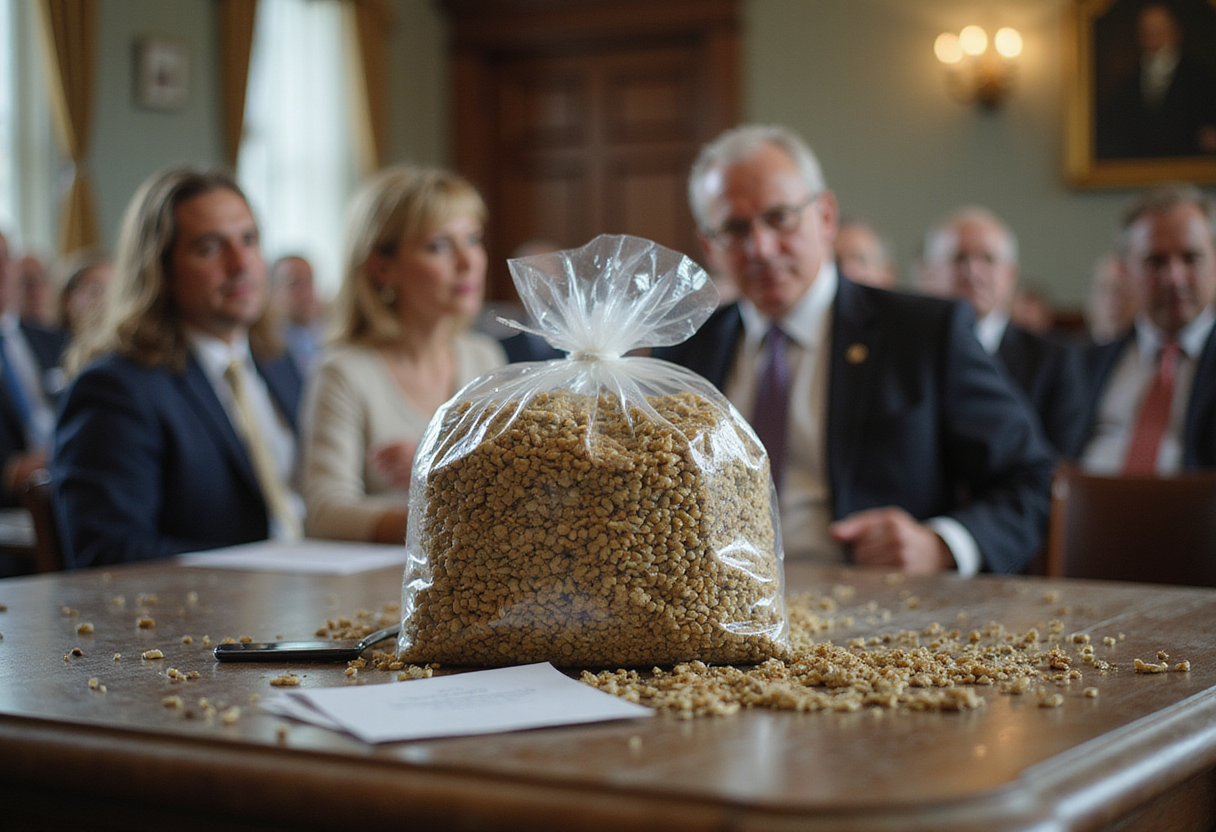
The Senate Agriculture Committee has advanced what lawmakers are calling Farm Bill 2.0, pushing the next farm bill framework past the committee stage and toward a possible Senate floor vote.
The committee's approval marks the most significant procedural step for the legislation in the upper chamber this cycle. The bill now moves to the Senate leadership, which must decide whether to schedule floor time amid a crowded calendar and ongoing negotiations over funding levels for farm programs, nutrition assistance and conservation titles.
The term "Farm Bill 2.0" reflects an effort to build on the previous farm bill framework rather than write legislation from scratch. For growers, the core stakes in any reauthorization remain familiar: reference prices for commodity programs, crop insurance subsidy levels, conservation program funding and access to input-cost relief.
Committee passage does not guarantee final outcomes. Producers and commodity groups tracking the process will be watching for several benchmarks before the bill reaches the president's desk: the Congressional Budget Office scoring of title-level spending, any adjustments to Price Loss Coverage and Agriculture Risk Coverage formulas, and the fate of disaster assistance and crop insurance provisions that directly affect farm margins.
The House has moved on its own timeline in past reauthorization cycles, and any differences between chamber versions would go to conference. Senate committee approval therefore represents one step in a longer sequence that includes floor votes in both chambers and reconciliation of competing titles.
For the agribusiness sector, the practical questions are fiscal. Reference price adjustments, if included, would shift PLC payment triggers for corn, soybeans, wheat, cotton and other covered commodities. Crop insurance provisions affect premium subsidies and the availability of policies in high-risk regions. Conservation title funding determines enrollment capacity in working-lands programs that many operations use to offset a portion of input and transition costs.
Because the source report provides the committee action but not the full legislative text, specific figures — title-by-title spending, proposed reference price levels, insurance subsidy rates and nutrition title allocations — remain to be confirmed against the bill as filed and the committee's reported markup results. Growers and ag lenders should treat secondary summaries cautiously until the Congressional Budget Office publishes its score and the committee releases the formal section-by-section breakdown.
The next scheduled checkpoint is Senate floor consideration, where amendments could alter commodity, crop insurance and conservation provisions before a final vote. Farm Bill 2.0's advancement out of committee keeps the reauthorization process alive but leaves the decisive fights — over funding offsets, reference prices and nutrition spending — ahead on the Senate floor and in any conference with the House.
via Google News: Farm bill and ag policy (Source)
More from Olivia Hart
Show full bio
News editor covering media and advertising at Agribusiness Wire.
137 articles