Lot No. LOT-3293 · offered September 29, 2026
Seeds, Crop Protection & FertilizerLot sheet
Retail Fertilizer Prices Extend Decline to Third Straight Week
Six major retail fertilizers posted price declines for a third straight week, easing input-cost pressure on growers and opening room to average into purchases.
Market notes
- Six retail fertilizers recorded price declines for the third consecutive week.
- The sustained slide across most of the tracked basket points to broad market movement rather than isolated discounting.
- The next weekly survey will indicate whether the input-cost relief extends or reverses.
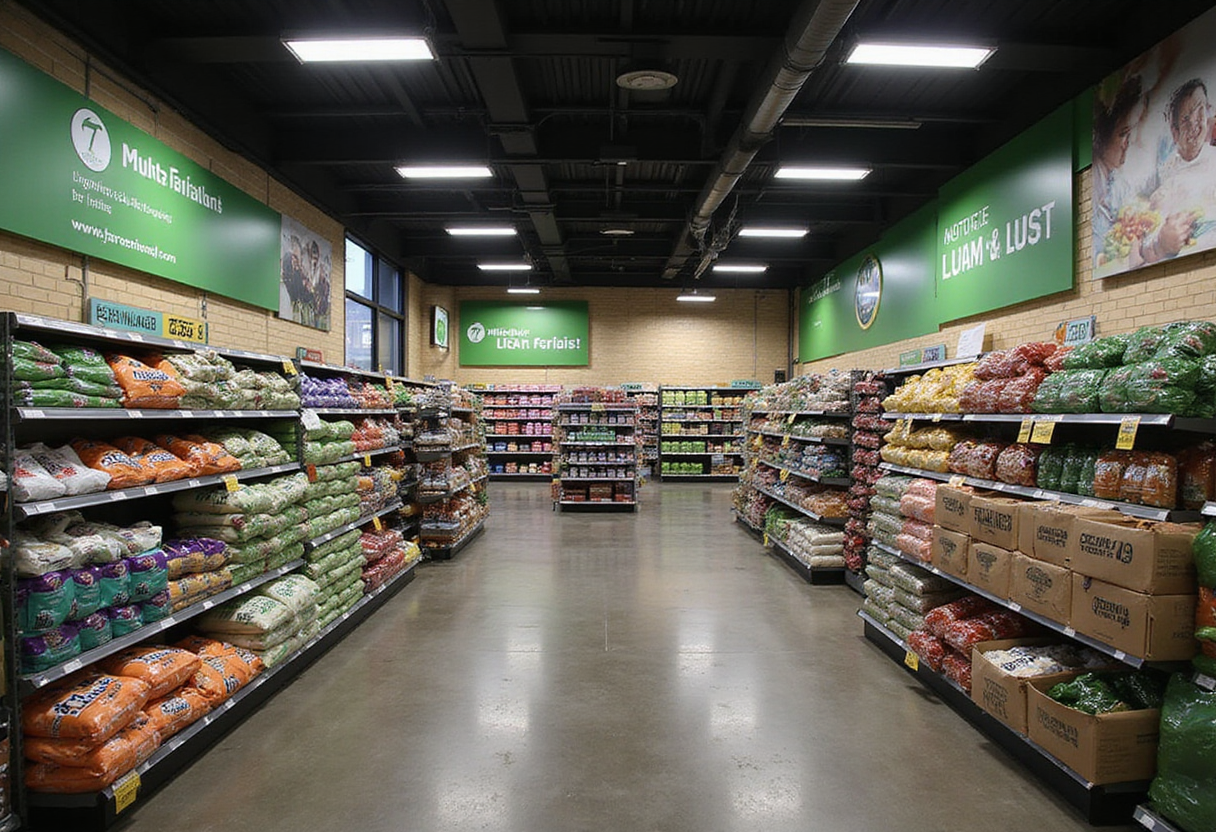
Six of the major retail fertilizers tracked in weekly price surveys moved lower for the third consecutive week, extending a run of declines that points to easing pressure on growers' input budgets heading into the next purchasing window.
The streak matters for farm margins. Fertilizer typically ranks among the largest variable costs for row-crop producers, alongside seed and crop chemicals, so a sustained three-week slide across six products gives growers room to lock in nutrients at prices below those available a month ago. Buyers who prepaid or forward-priced earlier in the season will want to compare their booked levels against the current retail quotes before committing additional volume.
The direction of travel is consistent, but the magnitude matters just as much. Weekly retail fertilizer surveys reflect dealer-level asking prices within a defined reporting window, and quotes can vary widely by region, product form and purchase volume. Growers comparing prices across cooperatives and independent retailers should treat the published figures as a benchmark, not a delivered cost, since freight, application services and local supply dynamics all shape the final invoice.
Three consecutive weeks of declines across six nutrients also signals something broader than isolated spot weakness. When most of the tracked basket moves in the same direction for that long, the shift usually reflects upstream conditions — wholesale markets, imports and distributor inventories — working through to the farm-gate level rather than temporary discounting by individual retailers.
For budgeting purposes, the practical question is whether the trend holds. A three-week slide does not establish a floor, and fertilizer markets have reversed course quickly in past cycles when supply disruptions or demand surges interrupted a decline. Growers with flexible storage and cash flow can stage purchases across several weeks to average into the market, while those reliant on financing through their local co-op or lender should confirm how price movements affect their operating-line draws.
The input-cost relief, if sustained, would land at a useful moment. Crop prices have pressured revenue projections for many operations, and every dollar trimmed from the fertilizer line flows directly to the margin line. Agronomists generally caution against cutting nutrient rates in response to either price spikes or declines without soil-test data, since yield response drives the economics of each application decision regardless of the sticker price.
Retailers, for their part, watch the same surveys to time their own replenishment. A sustained price decline can push dealers to hold off on restocking in expectation of cheaper replacement product, which in tight supply situations has occasionally truncated a decline once inventories thin. That dynamic makes the fourth week of data a data point worth watching.
The next round of retail price figures will show whether the six-product decline deepens, stalls or reverses — and with it, whether growers gain a longer window to buy nutrients below the levels that shaped their original input budgets.
via Google News: Fertilizer markets (Source)
More from Grace Kim
Show full bio
Correspondent covering industry trends and analytics at Agribusiness Wire.
159 articles
Also in the yard
- Six Fertilizers Extend Retail Price Decline to Third Week
- Global Fertilizer Prices Climb as Supply Stays Tight
- iGrow News Releases Weekly Fertilizer Price Update for Week Ending Aug. 31
- Farm Bureau Survey Documents Fertilizer Price and Availability Strain
- Fertilizer Prices Keep Climbing as Equity Valuations Lag