Lot No. LOT-7853 · offered October 9, 2026
Seeds, Crop Protection & FertilizerLot sheet
Fertilizer Prices Expected to Hold at Elevated Levels
AgUpdate reports fertilizer prices are expected to remain elevated through the coming production cycle, putting pressure on growers, cooperatives and input retailers facing another season of tight margins.
Market notes
- AgUpdate headline states fertilizer prices are "here to stay," indicating persistence at elevated levels
- Nitrogen, phosphate and potash remain among the largest single cost lines in row-crop budgets
- Potash supply remains concentrated in a small number of producing nations, a key structural driver of delivered prices
- Nitrogen production economics remain closely tied to natural-gas pricing, exposing the market to energy-driven volatility
- Sustained input costs shift the burden of margin protection toward rate reduction, timing shifts and variable-rate application
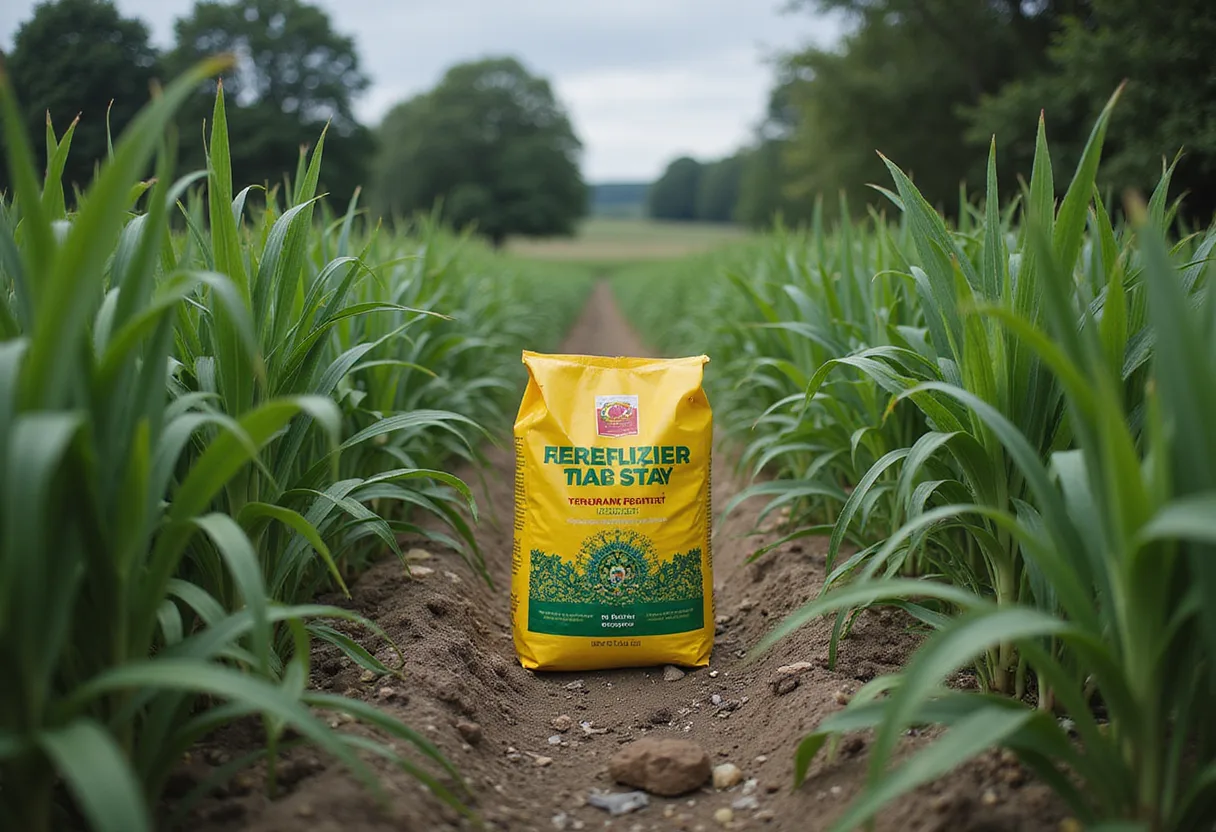
Fertilizer prices are expected to remain at elevated levels through the coming production cycle, according to AgUpdate reporting. The publication's headline finding — that input costs are "here to stay" — puts growers, cooperatives and input retailers on alert for another season of margin pressure.
The persistence of high fertilizer prices carries direct consequences for farm-level economics. Nitrogen, phosphate and potash products together account for one of the largest single cost lines in row-crop budgets. When those prices fail to retreat, working-capital demands rise and the calculus around acreage, application rates and crop mix shifts.
For cooperatives and retail input dealers, sustained price levels complicate inventory planning. Pre-buy programs that traditionally lock in fall or spring pricing face renewed questions about whether commitments made now will look favorable against spot prices during application season. Growers who deferred purchases last year now face a market that, the source indicates, will not deliver meaningful relief.
What does the news mean for growers?
The report's central claim — that fertilizer prices are not expected to ease — leaves producers with limited hedging options beyond rate reduction, application timing shifts and rotation adjustments. Each of those carries agronomic tradeoffs that operators must weigh against the cost of full-rate applications.
Retailers and agronomists will likely lean harder on soil testing and variable-rate application to stretch limited fertility dollars. Those practices can preserve yield potential while reducing per-acre outlay, but they do not eliminate the underlying cost pressure. When the input itself is expensive, conservation helps — but only at the margin.
Where policy and markets intersect
Federal support programs, conservation incentives and crop insurance structures all interact with input-cost realities. When fertilizer remains expensive, the relative value of programs that offset a share of those costs grows. Conversely, lower commodity prices combined with high input costs tighten the squeeze on working capital, particularly for highly leveraged operations.
Trade flows factor in as well. Potash supplies remain concentrated in a small number of producing nations, and nitrogen production depends heavily on natural-gas economics. Any disruption in those supply chains, or in freight rates, can shift delivered prices quickly — a complicating factor against the "here to stay" outlook.
Watching the baseline
For the planning cycle ahead, the practical takeaway is straightforward: build fertilizer budgets on the assumption that relief is not imminent. The source frames the situation as one of persistence rather than transition, pointing toward a season in which cost control and application efficiency carry more weight than in lower-cost years.
via Google News: Fertilizer markets (Source)
More from Marcus Bennett
Show full bio
Senior reporter covering regulation, policy and their impact on Agribusiness coverage for industry professionals at Agribusiness Wire.
408 articles