Lot No. LOT-2784 · offered November 5, 2026
Crop EconomicsLot sheet
Rejected Soybeans Can Feed Beef Cattle, But Only Within Strict Limits
Missouri farmers can feed rejected soybeans to beef cattle, but MU Extension caps mature cows at 2-3 pounds daily and bans treated beans from the ration.
Market notes
- Mature cows should receive no more than 2 to 3 pounds of whole soybeans daily; weaned calves, stockers and heifers 1 to 2 pounds.
- Whole soybeans contain 18% to 20% fat; total dietary fat must stay under 5% of the ration.
- Raw soybeans' trypsin inhibitor makes them unsafe in creep feeds for nursing calves under about 300 pounds.
- Combining whole soybeans with urea-based supplements can release potentially toxic ammonia levels.
- Rejected beans must be tested for protein, fat and dry matter; chemically treated beans must never be fed.
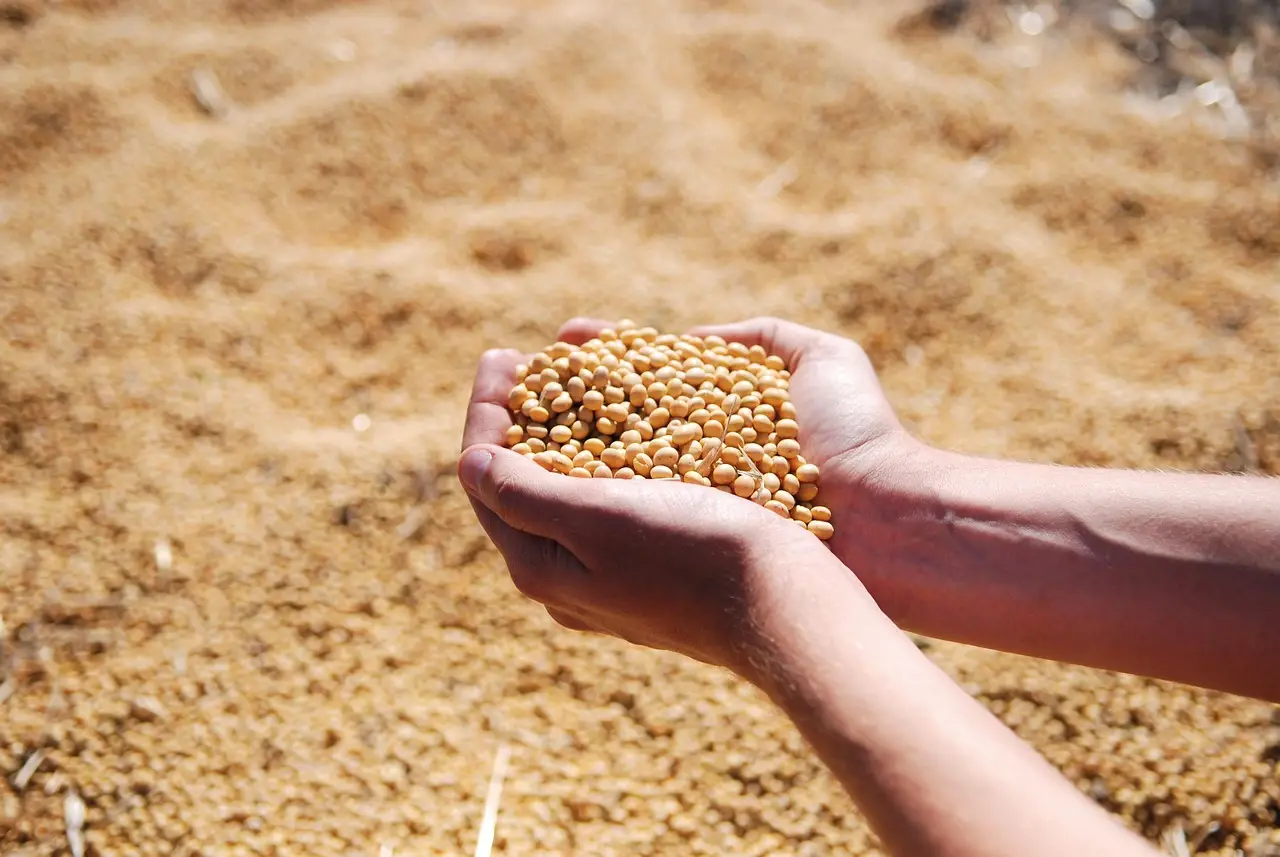
Missouri farmers holding soybeans rejected at the point of sale have one workable outlet: the beef ration. But University of Missouri Extension specialists say that outlet comes with hard numbers attached — no more than 2 to 3 pounds per day for mature cows, and half that for young stock.
Rejected beans may still carry real feed value. Eric Bailey, MU Extension beef nutrition specialist, said beans turned away for moisture, weather damage or other quality issues may have substantially different nutrient concentrations than normal soybeans. That variability is the reason for testing before a single pound reaches the bunk.
What does the salvage option actually require?
Gene Schmitz, MU Extension livestock specialist, said producers should first compare the cost of rejected beans against other grain and grain byproduct options before adding them to a ration, to find the most economical way to meet cattle nutritional needs. A cheap bean is only cheap if it replaces pricier energy and protein on a sound basis.
The specialists laid out the operating rules:
- Test before feeding. Rejected beans vary in nutrient content. Test for protein, fat and dry matter. Check for mold and mycotoxins when warranted.
- Never feed chemically treated beans. Seed-treated soybeans or any product not approved for livestock feed stays out of the ration. When a load's treatment history is unclear, keep it out and consult an Extension livestock specialist.
- Limit feeding rates. Mature cows cap at 2 to 3 pounds daily. Weaned calves, stockers and replacement heifers get 1 to 2 pounds.
- Protect rumen function. Whole soybeans run about 18% to 20% fat, and excess dietary fat cuts fiber digestibility and animal performance. Total dietary fat should not exceed 5% of the ration.
- Keep whole soybeans out of creep feeds. Raw soybeans contain a trypsin inhibitor that interferes with protein digestion. Nursing calves — especially those two to three months old and under roughly 300 pounds — are vulnerable because their rumens are not fully developed.
- Do not combine whole soybeans with urea-based supplements. Protein tubs, liquid supplements and other nonprotein nitrogen sources can react with whole beans to release potentially toxic levels of ammonia.
- Consult a nutritionist. Set safe inclusion rates based on the cattle being fed and the rest of the ration.
What does this change for a grower with rejected beans?
The economics depend on the test results and the caps. Whole soybeans supply excellent protein and energy, so a discounted load can displace purchased supplement in a cow-calf ration. The ceiling is the fat content: at 18% to 20% fat in the bean, the 5% total-diet limit arrives quickly, which is why the daily allowances stop at a few pounds per head rather than a grain-level feeding rate.
Producers can contact Gene Schmitz through MU Extension or the Pettis County MU Extension Center at 660-827-0591 for guidance on specific loads. As harvest-season quality discounts bite, Missouri growers who test first and feed within the limits can recover value from beans the elevator would not take.
via Farm Progress (Source)
More from Marcus Bennett
Show full bio
Senior reporter covering regulation, policy and their impact on Agribusiness coverage for industry professionals at Agribusiness Wire.
429 articles
Also in the yard
- Soybean Harvest Delays Raise Quality Concerns in Some Areas
- Brownton grower tracks soybean yields near 80 bushels per acre
- Soybean Harvest at 17%, Below Every Trade Estimate, USDA Says
- Soy Checkoff Quality Survey Open: Free Kits, Samples Due Oct. 21
- Soybeans Drop 10 Cents to $12.87½ in Oct. 8 Futures Close