Lot No. LOT-8411 · offered September 28, 2026
Crop EconomicsLot sheet
Soybean Harvest Delays Raise Quality Concerns in Some Areas
Cool, wet weather is slowing soybean harvest in many areas. Minnesota extension agronomist Seth Naeve says quality risk depends on location, with bigger concerns elsewhere.
Market notes
- Cool and wet conditions are slowing soybean harvest fieldwork in many areas.
- University of Minnesota extension soybean agronomist Seth Naeve says timing to panic over delays depends on location.
- Naeve reports no major quality challenges in his area but points to physical quality concerns in other parts of the country.
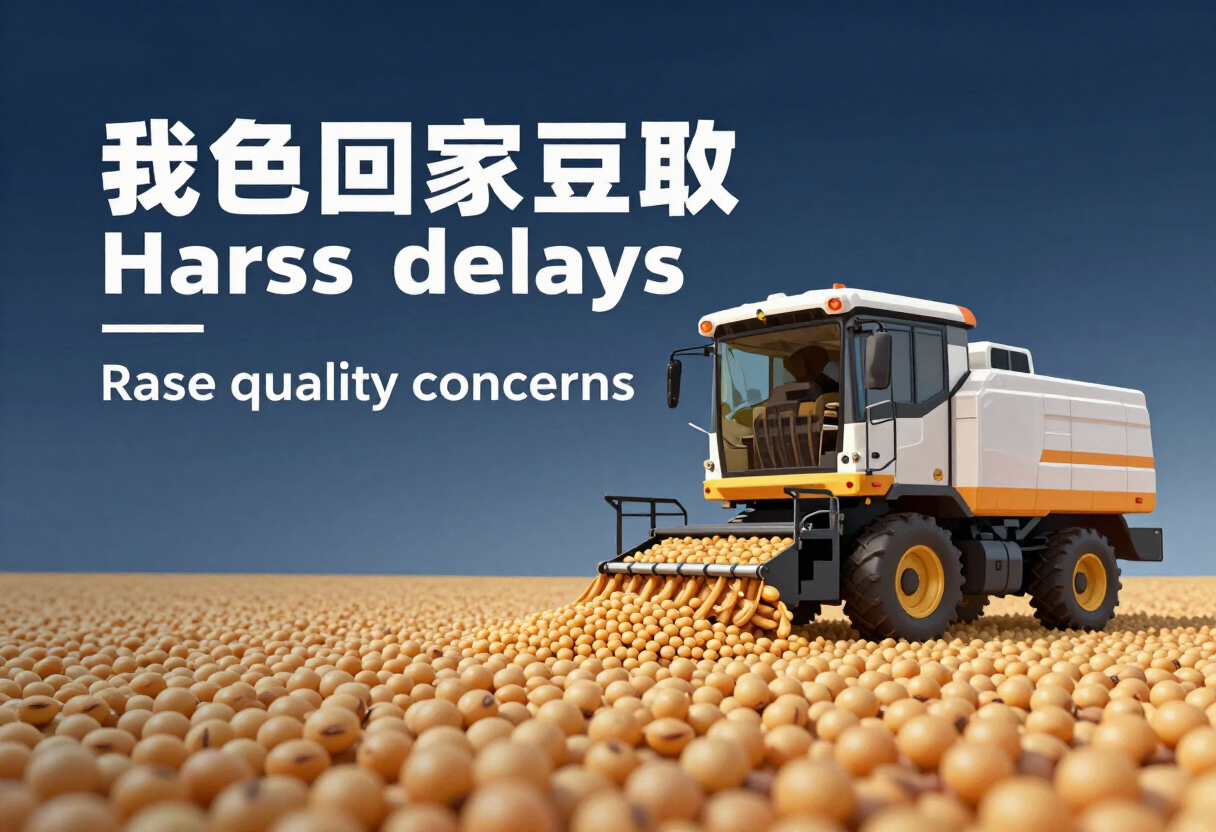
Cool, wet conditions are slowing soybean harvest fieldwork across many areas, and the risk to crop quality now hinges largely on where growers are located, according to Seth Naeve, extension soybean agronomist with the University of Minnesota.
Naeve says the decision point for growers — when to worry, and how hard — is not uniform across the growing regions. In his view, the areas he monitors have so far avoided serious damage.
"I don't think we've got real big quality challenges here, but certainly in other parts of the country I think the physical […]" Naeve said, referring to the toll that prolonged wet conditions in the field can take on the bean itself once the rest of his comments are considered in full.
The distinction matters for producers watching both the calendar and the crop. Harvest delays carry two separate kinds of risk. The first is logistical: wet fields limit equipment access, compress the harvest window, and raise the chance that later fields come off in poor conditions. The second is quality-related: beans left standing through repeated wet and cool cycles can degrade physically, which affects how they grade at the elevator.
For growers, quality losses translate directly into economics. Damaged or deteriorated beans can draw discounts at delivery, cutting into margins at a point in the season when producers have limited ability to offset price through marketing decisions already locked in for much of the crop.
Naeve's caution against panic is a location-specific judgment, not a blanket assessment. His observation covers the conditions he tracks, while his comments point to other regions of the country where the physical effects of the delays are a greater concern. Growers in those areas face a different risk picture than those where quality has so far held.
The practical takeaway for farmers is to assess their own situation rather than react to broad regional narratives. Field-by-field condition checks — looking at the physical state of beans still standing — give a clearer read on whether discounts are likely at delivery than generalized harvest-progress headlines do.
For the supply chain, the split picture Naeve describes suggests quality will vary meaningfully by region this season, even where harvested volumes eventually catch up. Buyers and elevators sourcing from the harder-hit areas will likely see more variation in incoming quality than those drawing from regions where the crop came off in better shape.
Naeve's assessment, based on current field conditions, frames the situation as manageable in some areas and more problematic in others — a picture growers, elevators, and buyers will continue to refine as harvest progresses and more of the delayed crop comes off the field.
via Brownfield Ag News (Source)
More from Olivia Hart
Show full bio
News editor covering media and advertising at Agribusiness Wire.
137 articles
Also in the yard
- USDA: Corn Harvest Hits 18%, Matching Five-Year Average Pace
- Rain Keeps North Iowa Combines Parked; Soybean Losses a Worry
- Four Soybeans Per Square Foot: Combine Losses That Cost a Bushel Per Acre
- Harvest Pressure Drags Corn and Soybean Prices Lower
- China Soybean Purchases and Heat Risk Shape Grain Price Outlook