Lot No. LOT-4793 · offered September 29, 2026
Precision Agriculture & AgTechLot sheet
Precision Agriculture: Drones, Satellites and AI Target Input Costs
African Farming outlines how drones, satellite imagery and AI-driven prescriptions can trim input costs and lift yields for growers across the continent.
Market notes
- African Farming reports that drones, satellites and AI form the technology stack behind precision agriculture's input-cost and yield claims.
- The report centers input-cost savings on targeted application of seed, fertilizer, water and crop protection products.
- The publication provides no trial data, yield comparisons or quantified cost-saving figures, so its benefit claims remain directional.
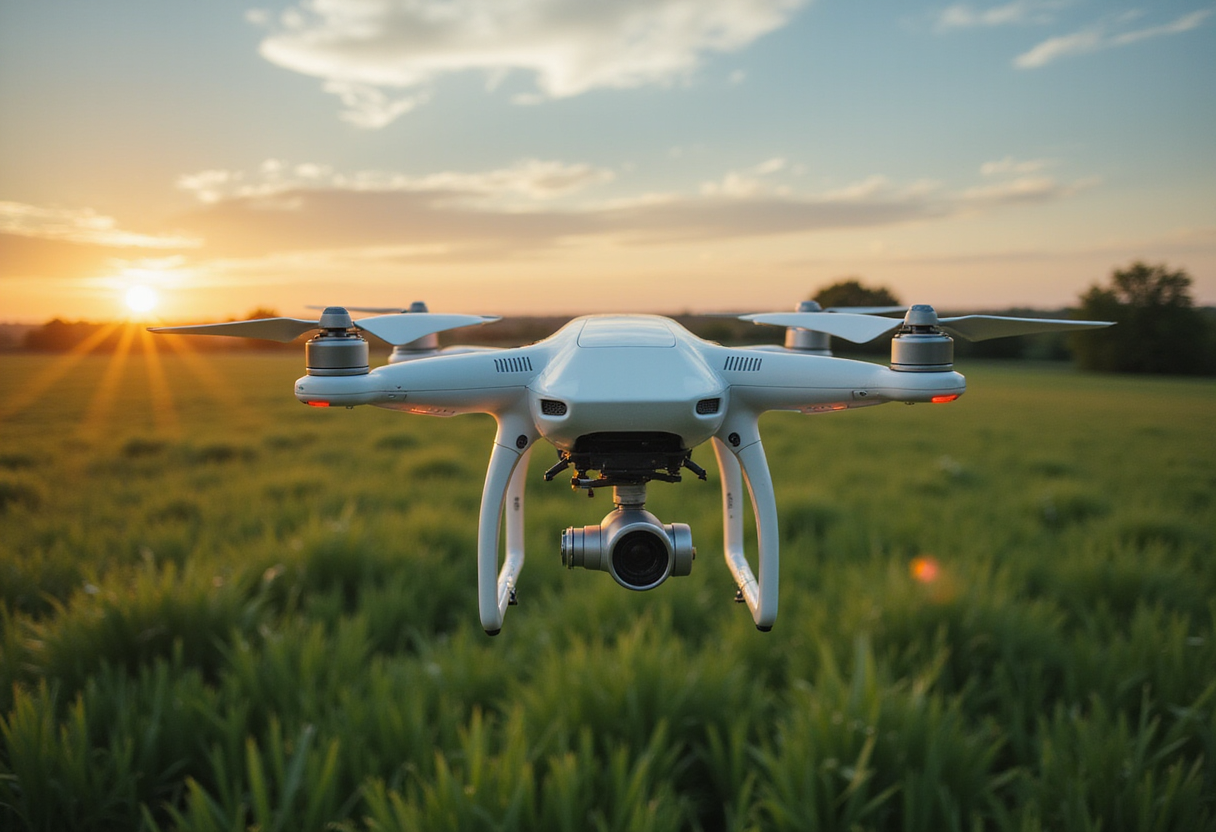
Drones, satellite imagery and artificial intelligence form the core of a new push to cut input costs and raise yields, according to a report published by African Farming.
The report frames precision agriculture as a set of technologies that let growers apply seed, fertilizer, water and crop protection products only where field data show they are needed. That targeted approach, the publication argues, is the mechanism by which input spending falls while output per hectare rises.
Three technology layers anchor the piece. Drones operate at the field level, capturing high-resolution imagery and, in some configurations, applying inputs directly. Satellites deliver recurring, wide-area coverage that lets growers track crop condition across whole farms without deploying equipment or labor. Artificial intelligence processes the imagery and other field data, turning raw observations into prescriptions — where to spray, where to irrigate, where to adjust nutrient rates.
For African growers, the cost logic matters most. Fertilizer and crop chemistry typically rank among the largest variable expenses on the farm budget. Any tool that reduces over-application — or catches a pest or nutrient problem before it spreads — translates directly into margin. Higher yields from better-timed interventions compound that effect.
The publication's framing ties into a broader trend across African farming systems, where smallholder and commercial operators alike face tight margins, volatile input prices and increasing pressure on water and land resources. Satellite-based advisory services and drone spraying contractors have expanded in several markets on the continent in recent years, offering growers access to the technology without large upfront capital outlays.
Growers evaluating these tools will face the standard questions that accompany any input decision: what the data actually measure, how current the imagery is, and whether the yield response justifies the service fee or equipment cost. Condition assessments drawn from remote imagery describe a field at a moment in time; they are not harvested results. Translating a drone flight or a satellite pass into a reliable input prescription requires calibrated models and, in most cases, ground-truthing by the grower or an agronomist.
The report does not publish trial data, yield comparisons or cost-saving figures alongside its claims, so growers should treat the input-cost and yield-benefit assertions as directional rather than quantified. Independent on-farm testing remains the surest way to measure what the technology delivers on a specific operation.
African Farming indicates it will continue covering how growers adopt these tools and what results they record as deployment widens across the continent.
via Google News: Precision agriculture (Source)
More from Marcus Bennett
Show full bio
Senior reporter covering marketplaces and e-commerce at Agribusiness Wire.
127 articles
Also in the yard
- Free Satellite Imagery and Spray Drones Take Center Stage
- Drone-Satellite-AI Farming Cuts Irrigation Costs Up to 25%
- Precision Agriculture Tools Emerge as Answer to Fertilizer Shortages
- New U.S. Bill Aims to Push AI Onto Farms Most Growers Still Ignore
- OSU Ph.D. Student Wins Global Fellowship to Push Precision Agriculture