Lot No. LOT-9832 · offered November 8, 2026
Precision Agriculture & AgTechLot sheet
Potato Breeders Target Bruise Resistance and Marketable Yield
Potato breeding research links skin traits, shape, size and bruise resistance to postharvest damage, aiming to turn more field production into marketable tubers.
Market notes
- Three postharvest stages—harvesting, storage and packing—form the damage-control focus.
- Skin quality, tuber shape, size and genetic bruise resistance are under study.
- Imaging is being evaluated to measure tuber size and volume.
- Internal-defect detection methods still require testing and validation before broader use.
- The objective is a higher marketable share, not simply greater field production.
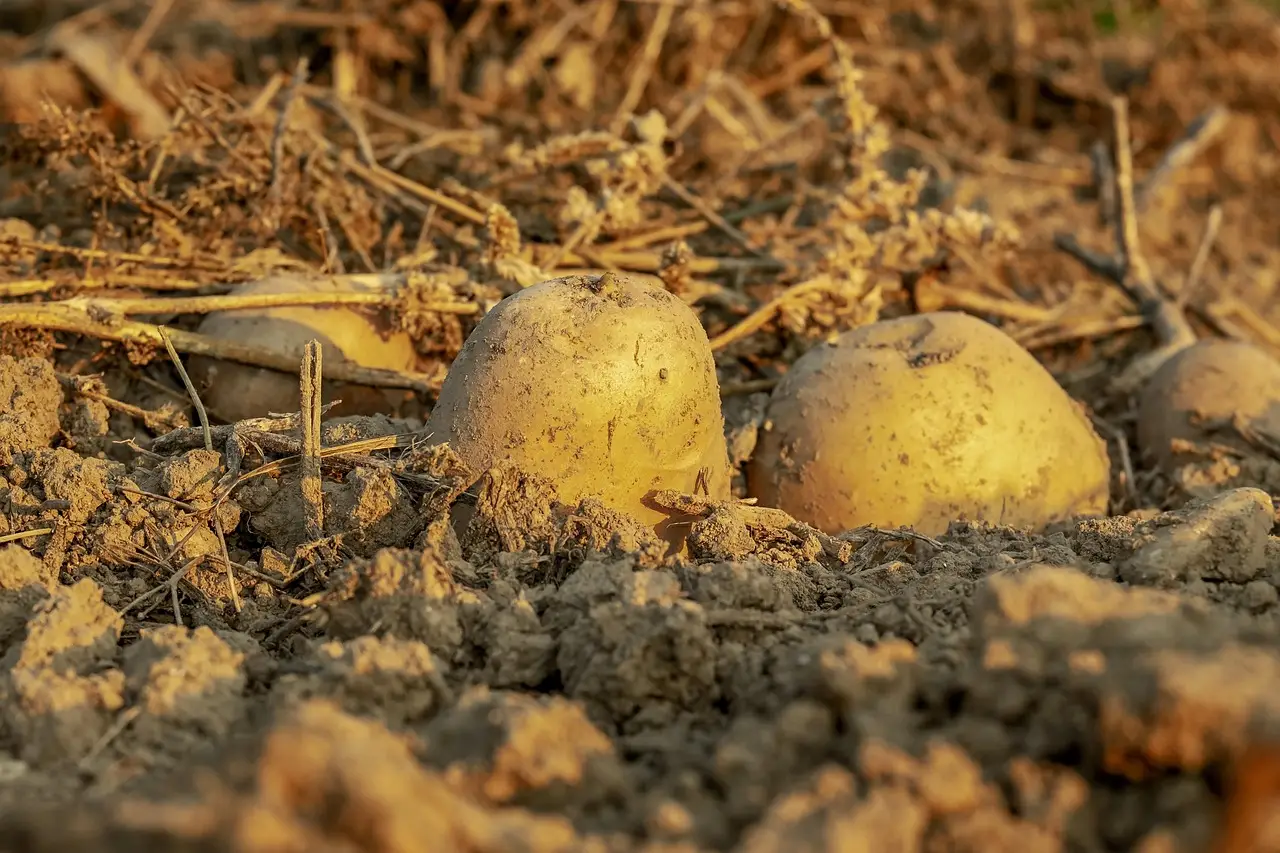
Potato breeding research is focusing on three damage-control points—harvesting, storage and packing—to improve the share of tubers that meet buyer specifications after harvest and grading.
The goal is not simply to produce more potatoes in the field. Breeders want a larger share of the crop to remain marketable as tubers move through handling equipment, where bruising, internal defects and repeated handling can reduce the number growers can sell.
That distinction carries weight at the farm level. A crop may produce a strong field yield, but losses after harvest can leave fewer potatoes eligible for sale. Marketable yield therefore measures what survives grading and handling, not only what comes out of the ground.
What traits are breeders targeting?
Researchers are examining how skin quality, tuber shape and size influence a potato’s ability to withstand handling. Studies also have explored genetic traits associated with bruise resistance. Those characteristics could help breeders identify and develop varieties better suited to conditions potatoes face during harvest and packing.
Damage can occur at several points between harvest and the market. Visible bruising is only one issue; internal defects and other quality problems also can prevent a tuber from meeting buyer specifications. Researchers are treating those losses as a trait-selection problem as well as a handling problem.
Equipment matters because potatoes can be moved and handled repeatedly between those stages. A variety that performs well in the field may still lose value if its physical characteristics leave it vulnerable to bruising. The breeding work therefore focuses on the condition of tubers after harvest and grading, not just the amount produced in the field.
How could imaging improve grading?
Researchers are evaluating methods for detecting internal defects and imaging technology designed to measure tuber size and volume. The tools could provide additional information about tuber quality and identify issues that may not be visible during routine handling, helping separate sound tubers from those likely to be rejected.
“Some of these approaches still require further testing and validation before they can be applied more broadly,” the researchers said. That caution keeps imaging and defect detection in the research phase rather than treating them as fully proven tools for every operation.
What does this change for growers?
For growers, the practical target is the number of saleable potatoes delivered, not simply the amount harvested. If varieties with better bruise resistance and handling characteristics reach commercial use, producers could protect more of the crop after it leaves the field. The benefit would come from fewer losses across harvesting, storage and packing.
The research does not put a number on that potential gain or identify a commercial variety. No acreage, yield, price, subsidy or bruise-resistance measurements appear in the summary, so the scale of the improvement remains unquantified.
What the work does establish is a sequence researchers are testing: select traits that better withstand handling, identify quality problems with greater precision, and preserve more tubers through the supply chain. That could raise the marketable share of the crop without requiring growers to produce more potatoes.
Forward, the key question is whether breeders can move from bruise-resistance research to varieties and validated quality tools that consistently protect marketable yield; until field and handling results are available, the gain cannot be assigned a firm value.
via agnetwest.com (Source)
More from Nathan Brooks
Show full bio
Staff writer covering regulation, policy and their impact on Agribusiness coverage for industry professionals at Agribusiness Wire.
531 articles
Also in the yard
- Vegetable Seed Firms Face Pressure To Accelerate Product Cycles
- September Rains Trigger Quality Concerns in Iowa Corn, Soybeans
- Quality Concerns in Corn, Beans Now Driving Price Discovery
- New Seed Agreement Aims to Expand Variety Options for Wisconsin Farms
- Seed Sector Urges India to Bolster Agrobiodiversity as Global Supply Shocks Bite