Lot No. LOT-4790 · offered November 9, 2026
Agricultural PolicyLot sheet
Peanut Growers Face Dec. 11 Deadline as PLC Payments Lag Market Prices
Peanut producers face a Dec. 11 deadline to enroll in 2026 ARC or PLC, with new multi-year contracts through 2031 after prices fell to $470 per ton against a $630 reference price.
Market notes
- December 11 is the signup deadline for the 2026 ARC and PLC programs.
- New multi-year contracts cover 2026 through 2031, replacing annual enrollment.
- The 2025–26 national average peanut price was $470 per ton, down from $522 the prior year.
- The PLC reference price is $630 per ton; payments are paid on 85% of covered production minus a 5.7% sequestration cut.
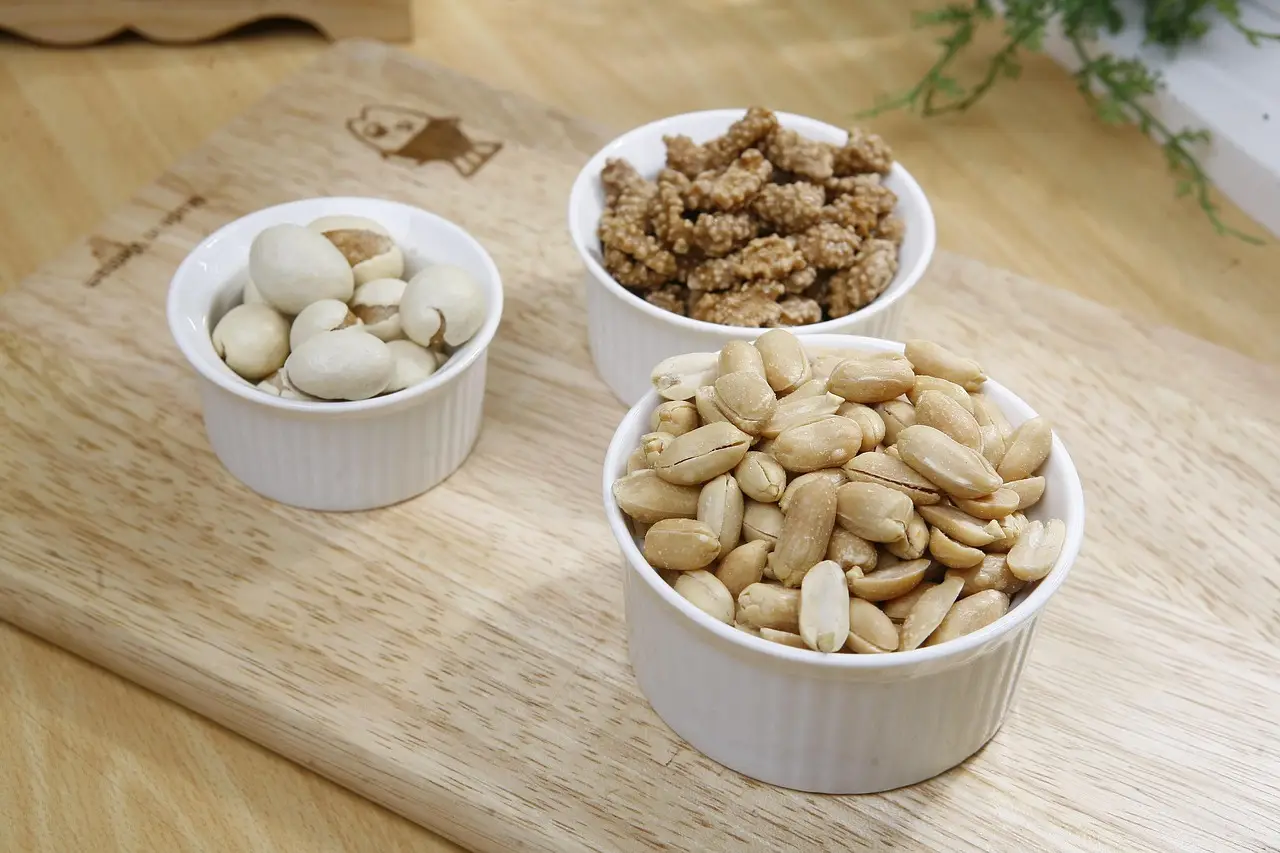
Peanut producers have until December 11 to sign up for the 2026 edition of the Agriculture Risk Coverage (ARC) or Price Loss Coverage (PLC) programs, with payments for the past season landing in mailboxes at a level that underscores how far market prices have fallen below the program's support floor.
The national average price received by producers for the 2025–26 marketing year came in at $470 per ton, according to Tyron Spearman's audio report for Southeast AgNet. That is down sharply from the prior year, when peanuts averaged $522 per ton. Both figures sit well under the peanut reference price of $630 per ton — the statutory trigger that determines PLC payouts.
What does the enrollment change for growers?
Producers must enroll through a signed contract each year, and contracts from the previous cycle ended in 2025. What is new this cycle is duration: growers can now sign a multi-year contract covering 2026 through 2031, replacing the annual re-enrollment routine that required a trip to the Farm Service Agency office every season.
For growers who just cashed PLC checks for the low-price 2025–26 season, the math explains the size of the deposit. The report describes the PLC payment as the difference between the $630 reference price and a figure cited as $160 per ton — a number growers should verify against their actual payment statements, since the arithmetic and the stated market price do not obviously reconcile in the source material.
How much of the payment reaches the farm gate?
Two reductions apply before any money moves. Farmers receive only 85% of the calculated payment on covered acreage, and the remainder is trimmed further by a sequestration deduction of 5.7%. The result is a check smaller than the headline payment rate suggests — a gap worth remembering when budgeting against input costs and carryover debt.
Spearman's report predicts much of this money will go straight to lenders: farmers "will be going to the bank and taking that money to pay off some old debts." That is a reasonable read of a season in which prices fell $52 per ton year over year, though it is a forecast of behavior, not a surveyed result.
What role did the Big, Beautiful Bill play?
The report credits the legislation passed last year — referred to as the Big, Beautiful Bill — with giving peanut farmers "a chance to recover from some of the low prices from last year." The claim is forward-looking and unquantified in the source; no dollar figure or payment multiplier tied specifically to the law appears in the report. Growers weighing the Dec. 11 decision should treat the recovery language as a promise, not a payment.
Enrollment runs through the Farm Service Agency, and producers who miss the deadline forfeit coverage for the 2026 crop year under both programs.
via southeastagnet.com (Source)
More from Olivia Hart
Show full bio
News editor covering technology and product news in Agribusiness coverage for industry professionals at Agribusiness Wire.
490 articles