Lot No. LOT-1430 · offered October 13, 2026
Agricultural PolicyLot sheet
USDA ARC and PLC Payments Hit Record $13.8 Billion
USDA says 2025 ARC and PLC payments total $13.8 billion gross before payment limits and a 5.7% cut — the largest since the 2014 Farm Bill.
Market notes
- 2025 farm program payments total $13.8 billion gross, USDA reported.
- The outlay is the largest since ARC and PLC were created in the 2014 Farm Bill.
- Payments are issued before payment limits and a mandatory 5.7 percent reduction.
- The Farm Service Agency administers the Agriculture Risk Coverage and Price Loss Coverage programs.
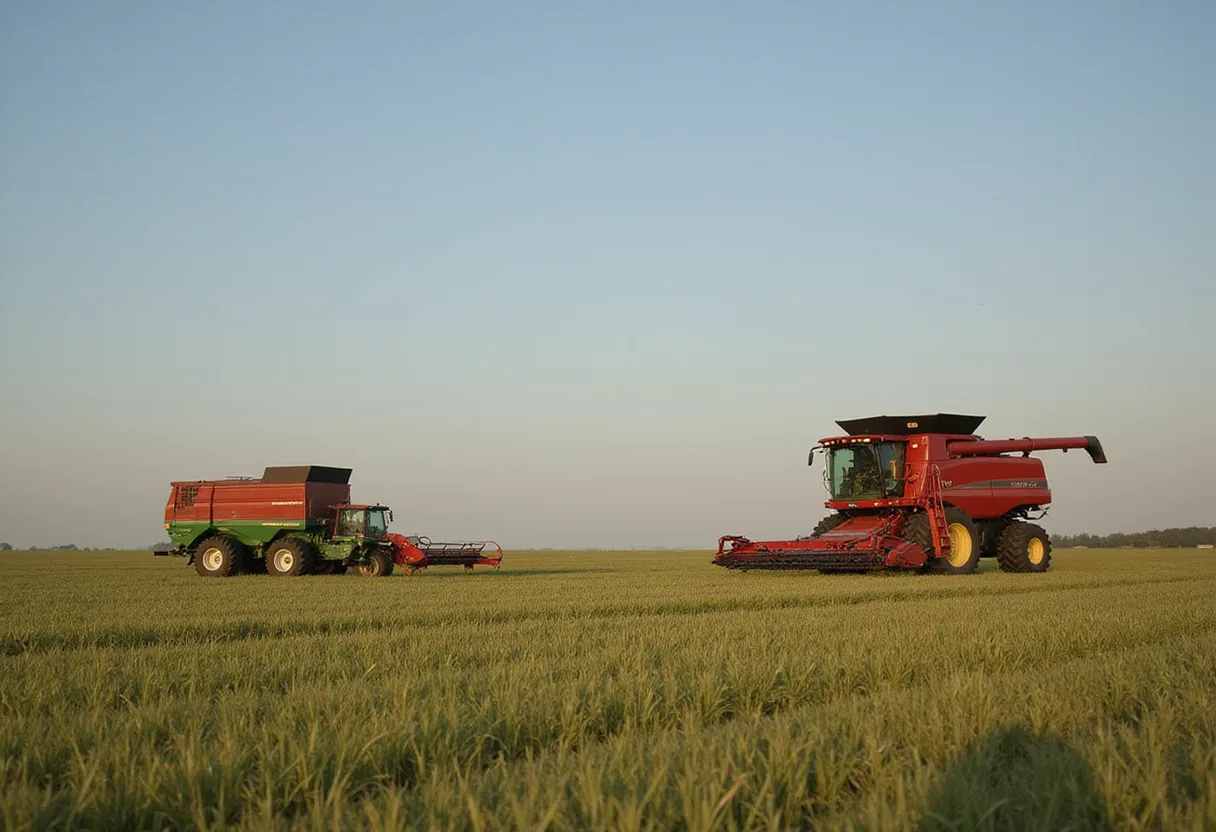
Farm Service Agency commodity payments reaching growers this month total $13.8 billion gross, the USDA reported — the largest outlay since the Agriculture Risk Coverage and Price Loss Coverage programs were created in the 2014 Farm Bill.
The figure is a headline number, and growers reading their deposit notices should treat it as one. The $13.8 billion comes before two deductions that shrink what individual operations actually receive: statutory payment limits and a mandatory 5.7 percent reduction applied across the programs. A producer's net check, in other words, will run materially below what the gross payment schedule suggests.
What are ARC and PLC?
The two programs work differently, and the difference matters for how this year's payments land on each farm.
- Price Loss Coverage (PLC) pays when a crop's national average market price falls below its reference price — the statutory floor set in farm law.
- Agriculture Risk Coverage (ARC) pays when a county or individual farm's revenue falls below a benchmark built from five-year Olympic-average prices and yields (an average that drops the highest and lowest values).
Because both programs pay on price and revenue shortfalls, a record payment year is, by definition, a year of weak prices and revenues. The $13.8 billion is the arithmetic consequence of the commodity price slide that has pressed farm margins since the post-2022 peaks.
What does the record number change for growers?
For operations enrolled in either program, the payments arrive as budget-year cash at a point when lenders are finalizing operating lines for the next crop cycle. Growers reconciling the deposits should do the math in net terms: apply the 5.7 percent sequestration-style reduction first, then confirm where the operation stands relative to its payment limit before booking the revenue in a cash-flow projection.
For grain and oilseed buyers, the payments are a demand-side input. Federal transfers of this scale support farmer liquidity in regions where ARC and PLC enrollment is heavy, which can slow distressed selling and firm local basis (the difference between a local elevator bid and the futures price) at harvest-pressure points.
For input suppliers and equipment dealers, the same logic runs in reverse: a federally backed cash infusion into farm country in a low-price year stabilizes input purchasing that would otherwise contract.
Condition of the numbers
The USDA figure is a gross payment total reported at issuance, not a survey-based estimate, and it covers the 2025 program year payments going out this month. It is a disbursement record — an accounting of checks written — and should not be confused with a forecast of farm income, which will depend on harvested results, marketings, and insurance indemnities tracked on separate reporting calendars.
Whether the 2026 payment year approaches this record will depend on where market prices settle against reference prices during the current marketing year — the same mechanism that produced the record now being cashed.
via Brownfield Ag News (Source)
More from Rebecca Stone
Show full bio
Market editor covering people, launches and day-to-day practice in Agribusiness coverage for industry professionals at Agribusiness Wire.
431 articles
Also in the yard
- Record ARC and PLC Payments Slated for End-of-Month Disbursement
- Farm Bill Decision Tool Guides Growers on ARC vs. PLC Choice
- USDA Projects Record $13.8B in 2025 ARC and PLC Payments
- Farm Bill Talks Move Out of Public View as Deadlines Press
- KSU Urges Farmers to Begin Evaluating 2026 ARC and PLC Election Options