Lot No. LOT-1264 · offered September 30, 2026
Crop EconomicsLot sheet
On-Farm Drying of Wet, Damaged Crop Pays Dividends This Fall
U.S. Commodities analyst Don Roose says drying and blending wet, damaged crop on the farm beats elevator discounts this fall — if growers accept the extra handling.
Market notes
- Don Roose of U.S. Commodities ranks drying wet, damaged crop before on-farm storage among the best risk-management moves this fall.
- Producers with their own storage can blend damaged grain themselves and dry it cheaper than commercial alternatives, at the cost of more grain handling.
- On-farm drying and blending shifts elevator quality discounts into controllable internal costs of propane, power and labor.
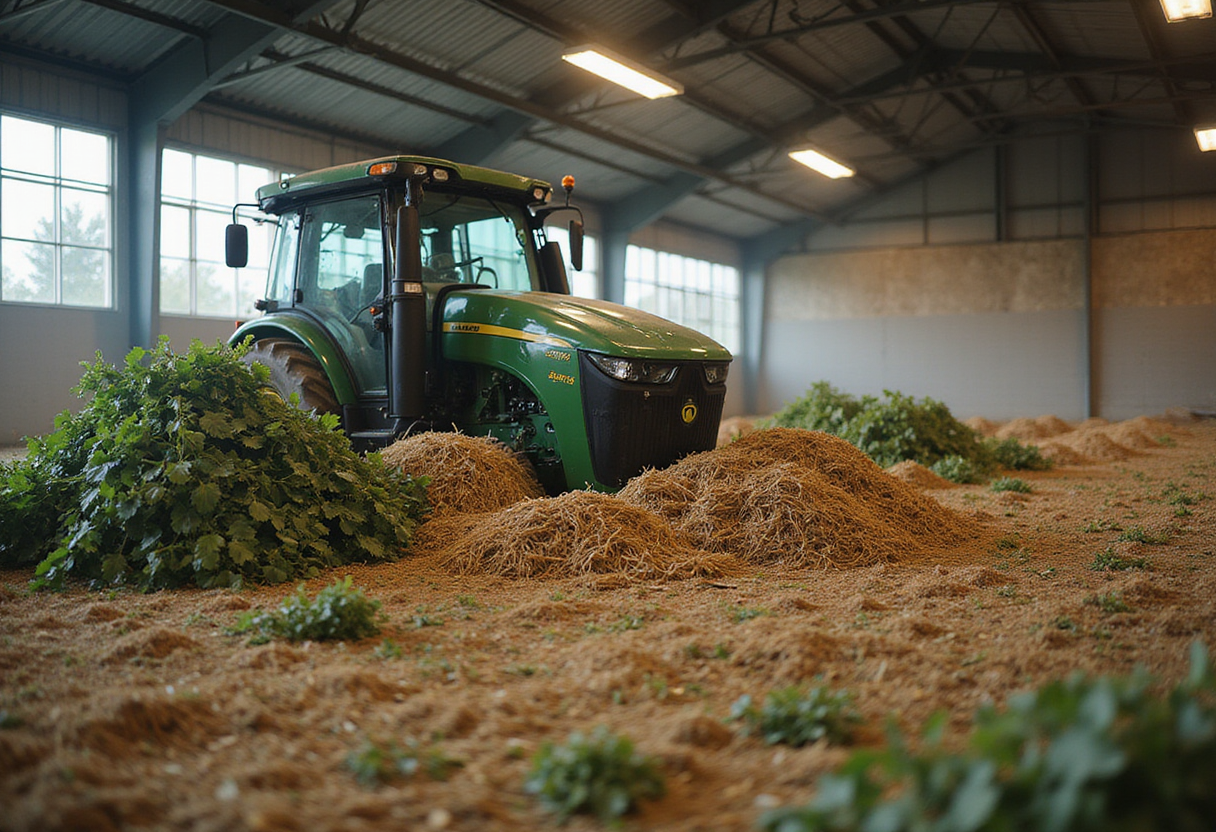
Growers harvesting wet, damaged crops this fall have one clear lever for managing price risk, according to Don Roose of U.S. Commodities: dry the grain themselves and put it in on-farm storage.
"You can blend it out yourself. You can dry it cheaper. It's going to take more handling, of course," Roose says, pointing to the control that on-farm storage gives producers when crop quality falls short of commercial standards.
His advice cuts to the economics of this harvest. When moisture runs high and damage shows up in the tank, elevators apply discounts that compound with every point off spec. A producer who owns drying capacity and bin space can capture the spread between the discounted cash price and the full value the grain would command once it is dried and blended back to grade.
That spread is the core of the argument. Commercial drying and handling charges come off the top of any elevator delivery. Doing the work on the farm shifts those costs from a per-bushel deduction to an internal expense — propane, electricity, labor and extra grain handling — that the operator can see, schedule and in many cases manage below commercial rates.
Roose is candid that the approach is not free of friction. "It's going to take more handling, of course," he repeats as the operative caveat. Wet grain demands careful drying to avoid in-bin spoilage, and damaged kernels store less predictably than sound crop. The trade-off is labor and management time against the discount dollars a producer would otherwise surrender at the point of sale.
For growers already invested in bins, dryers and aeration, the math tends to favor keeping the crop at home. The storage decision also buys time. Rather than accepting harvest-time basis and quality discounts in a crowded delivery window, the operator can hold grain, market it selectively, and blend damaged lots into better-quality crop across the storage season to recover value incrementally.
Blending is the second half of the strategy Roose highlights. Damaged grain priced at a steep discount at the elevator can be mixed with sound grain in controlled proportions on the farm, lifting the average quality of the bin — and the average price captured — without the penalty the market would have applied to the damaged lot sold on its own.
The advice lands amid the practical realities of a late, weather-stressed harvest in which wet fields and damaged kernels are showing up in combined crop. Producers weighing the elevator line against the dryer at home are, in Roose's framing, making a risk-management decision as much as a logistics one.
His bottom line for the fall: producers who have on-farm storage and are willing to take on the extra handling can dry wet, damaged crop cheaper than the alternatives, blend it themselves, and keep control of the quality discounts that would otherwise be set at the elevator — a position he calls one of the best ways to manage risk available to storage-equipped growers this season.
via Brownfield Ag News (Source)
More from Marcus Bennett
Show full bio
Senior reporter covering marketplaces and e-commerce at Agribusiness Wire.
127 articles