Offered
Commodity MarketsLot sheet
Northern Plains Spring Wheat Hits 14.7% Protein in 2026 Crop
The 2026 spring wheat crop averaged 14.7% protein, with some regions above 15%, as drought covering 42% of the crop cut yields and lifted quality across the Northern Plains.
Market notes
- The 2026 U.S. Hard Red Spring Wheat Regional Quality Report put the crop's average protein at 14.7%, above 15% in some areas.
- North Dakota planted an estimated 4.6 million of the 9.39 million U.S. spring wheat acres in 2026.
- The July 28, 2026, U.S. Drought Monitor placed 42% of the U.S. spring wheat crop in drought.
- NDSU Extension variety trials and the Regional Quality Report both recorded lower yields and higher protein for 2026.
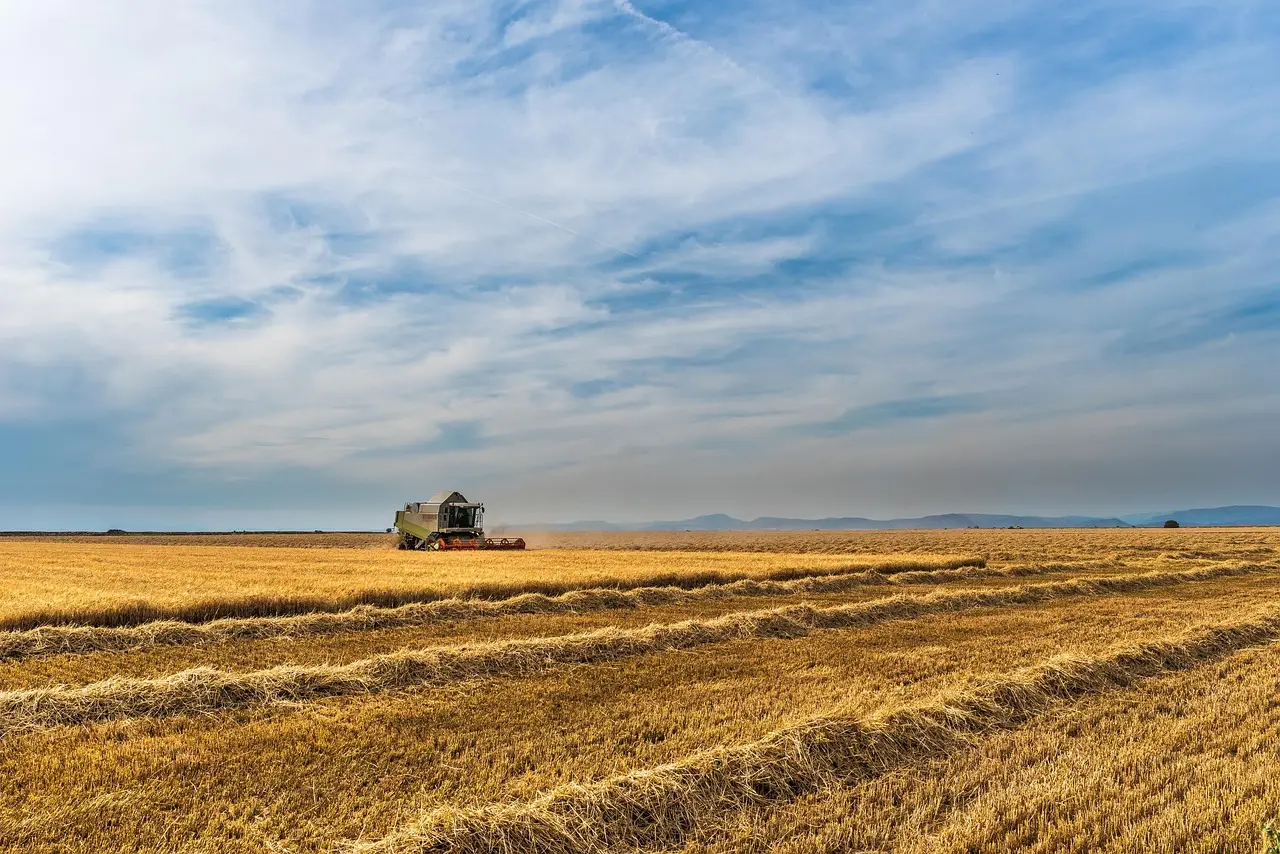
The 2026 U.S. hard red spring wheat crop averaged 14.7% protein, with parts of the Northern Plains testing above 15%, according to the 2026 U.S. Hard Red Spring Wheat Regional Quality Report. The same report confirmed lower yields than a year earlier — the trade-off growers and millers have come to expect from a dry season.
North Dakota planted an estimated 4.6 million acres of spring wheat in 2026, roughly half of the 9.39 million acres seeded nationwide. The class, prized for protein and gluten strength, supplies both regional bread flour and blending stock for millers worldwide.
How drought shaped the crop
The July 28, 2026, U.S. Drought Monitor placed 42% of the U.S. spring wheat crop in drought conditions, including parts of North Dakota. Drought stress tends to raise protein in hard red spring wheat, and two separate datasets — North Dakota State University Extension variety trial results for 2026 and the Regional Quality Report — each recorded lower yields with higher protein content.
The Regional Quality Report told buyers to expect "a high-grading crop with excellent protein content, higher vitreous kernel levels, minimal damage, and sound falling number values. However, variability in grade distribution, particularly related to test weight, does exist." Falling number (a measure of sprout damage in the kernel) and test weight (pounds per bushel) are the two grade factors buyers watch most closely, and the caveat on test weight suggests exporters should expect some lot-by-lot sorting.
Why the class commands a premium
Rachel Carlson, a food scientist at the Northern Crops Institute in Fargo, said the wheat's reputation is built on three measurable traits: high protein, strong gluten-forming properties and high water absorption. The institute is a collaborative effort among Minnesota, Montana, North Dakota and South Dakota for crop promotion and market development.
"When we're exporting spring wheat across the world, the mills ... may not be creating flours that are 100% hard red spring wheat, but they're oftentimes using it as a blending wheat to be able to improve the baking qualities of the flours that they have," Carlson said.
The mechanism, as she explained it, is structural. "When you're mixing spring wheat flour with water, you're able to create a really strong gluten network, which helps trap the gases when you're making a bread product that are created during fermentation. That gluten network traps the gases and allows the bread to rise."
Regionally milled flour, sold near the grower, is most likely 100% hard red spring wheat. That is the flour behind dinner rolls and buns — "It'll ... make a really nice dinner roll," Carlson said. National brands of all-purpose flour blend it with softer classes. Spring wheat supplies enough strength for a loaf of bread without ruining cookies or cake, she noted.
What the region grows besides spring wheat
- Durum: North Dakota leads the nation in durum, milled into semolina for pasta. Carlson described semolina's texture as "almost like sand texture." Pulse-enriched pastas — those using bean, lentil or chickpea protein — depend on strong durum gluten, she said, because the gluten network "is able to carry some of those additional ingredients that maybe don't add a lot of function, but add a nutritional aspect."
- Hard red winter wheat: More common in South Dakota. It carries lower protein and lower water absorption, forms the majority of all-purpose flour, and goes into tortillas, flatbreads, croissants and rolled doughs.
Carlson also pointed to the region's wider ingredient base — honey, potatoes, sugar, pulses, chickpeas, corn and soybeans — and noted wheat's history in the area predates North Dakota statehood.
With the 2026 harvest in the bin, the question for growers is whether the market pays enough premium for 14.7% protein to offset the yield shortfall drought delivered.
via agweek.com (Source)
More from Rebecca Stone
Show full bio
Market editor covering people, launches and day-to-day practice in Agribusiness coverage for industry professionals at Agribusiness Wire.
536 articles
Also in the yard
- SDSU releases dual-purpose SD Sundog for grain and silage
- Winter Wheat Acres Seen Bouncing Back for 2027 Crop
- U.S. winter wheat harvest falls 23% to 1.019 billion bushels in 2026
- South Dakota Winter Wheat Emergence Hits 96%, Well Above Five-Year Average
- Wheat Futures Slide 13% in September as Four Drivers Test 2027