Lot No. LOT-6805 · offered September 27, 2026
Trade & ExportsLot sheet
New Grain Facility at Port of Baltimore Aims to Lift Maryland Farm Exports
A new grain facility at the Port of Baltimore aims to boost Maryland farm exports, adding an East Coast demand outlet for regional corn, soybean and wheat growers.
Market notes
- A new grain facility has been opened at the Port of Baltimore, WMAR 2 News Baltimore reports.
- The stated purpose of the facility is to boost Maryland farm exports.
- Published reporting does not yet include capacity, commodity or throughput figures, leaving basis and demand effects unquantified.
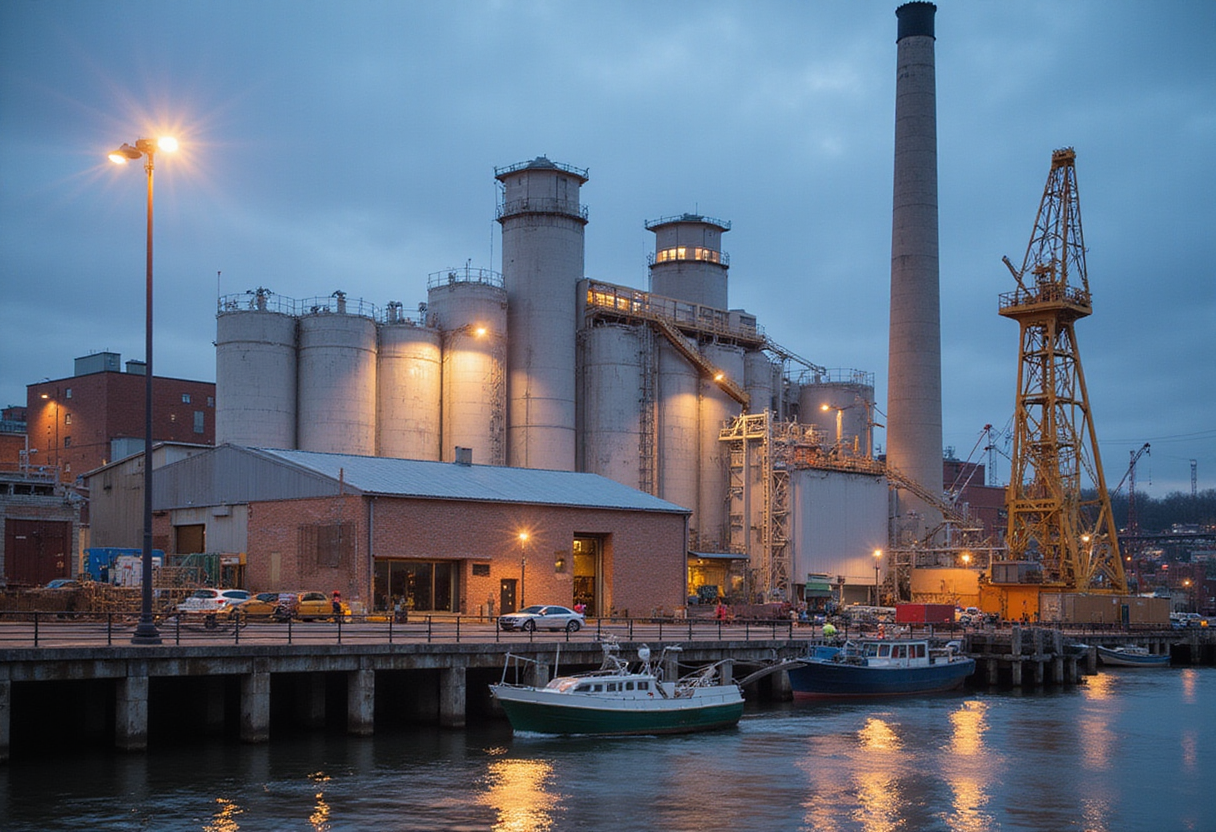
The Port of Baltimore has opened a new grain facility that its backers say will boost Maryland farm exports, according to a report from WMAR 2 News Baltimore.
The headline development matters for the region's row-crop growers, who have long depended on rail and truck movements to Mid-Atlantic processors and to competing export terminals elsewhere on the East Coast. Additional grain handling capacity at Baltimore shortens the haul for Maryland and surrounding growers and can tighten local basis by adding a demand outlet closer to the field.
What the available reporting establishes at this point is limited to the facility's existence, its location at the Port of Baltimore, and its stated purpose of strengthening Maryland agricultural exports. WMAR 2 News Baltimore has not yet published the operational figures that commodity analysts would want before drawing conclusions: throughput capacity in bushels or metric tons, which commodities the terminal will handle, storage volume, vessel-loading rates, or an opening timeline tied to the fall harvest.
Those numbers determine the real impact on farm margins. A terminal loading, for example, a few million bushels a year serves a different market than one designed for panamax-scale vessels moving corn and soybeans to overseas buyers. Without published capacity data, growers and elevators should treat claims of an export boost as a directional signal rather than a measurable change in basis or demand.
The Maryland agricultural economy the facility aims to serve centers on corn, soybeans, wheat and poultry, with the Eastern Shore's broiler industry anchoring local feed demand. Export terminals compete directly with that feed demand for bushels, and the balance between the two shapes what growers receive at the elevator.
The Port of Baltimore's broader freight position adds context the WMAR report implies but does not quantify. The port sits on rail lines serving the Midwest and offers deep-water access that inland elevators cannot match, and any new grain capacity there positions Maryland growers to capture export demand that previously moved through Chesapeake-area or Gulf terminals.
For growers, the practical questions ahead are straightforward: when the facility starts loading vessels, which commodities it will bid for, what its bid sheets show against existing elevators, and whether the added demand shows up in local basis. Those are the metrics that separate a ribbon-cutting from a genuine change in the export picture.
Agribusiness Wire will track the facility's first loadings, published capacity figures and early basis effects as operators release them.
via Google News: Agricultural trade (Source)
More from Nathan Brooks
Show full bio
Staff writer covering marketplaces and e-commerce at Agribusiness Wire.
173 articles