Lot No. LOT-1310 · offered September 29, 2026
Trade & ExportsLot sheet
COSCO Scrutiny Raises New Risks for U.S. Agricultural Trade
Scrutiny of COSCO raises new risks for U.S. agricultural trade, threatening freight capacity and costs for containerized farm exports, AgroLatam reports.
Market notes
- AgroLatam reports that scrutiny of carrier COSCO raises new risks for U.S. agricultural trade.
- Containerized ag exports — meat, dairy, hay, cotton, processed goods — face potential capacity and freight-rate fallout.
- The report provides no enforcement action, timeline or affected lanes; treat as a condition report, not a measured outcome.
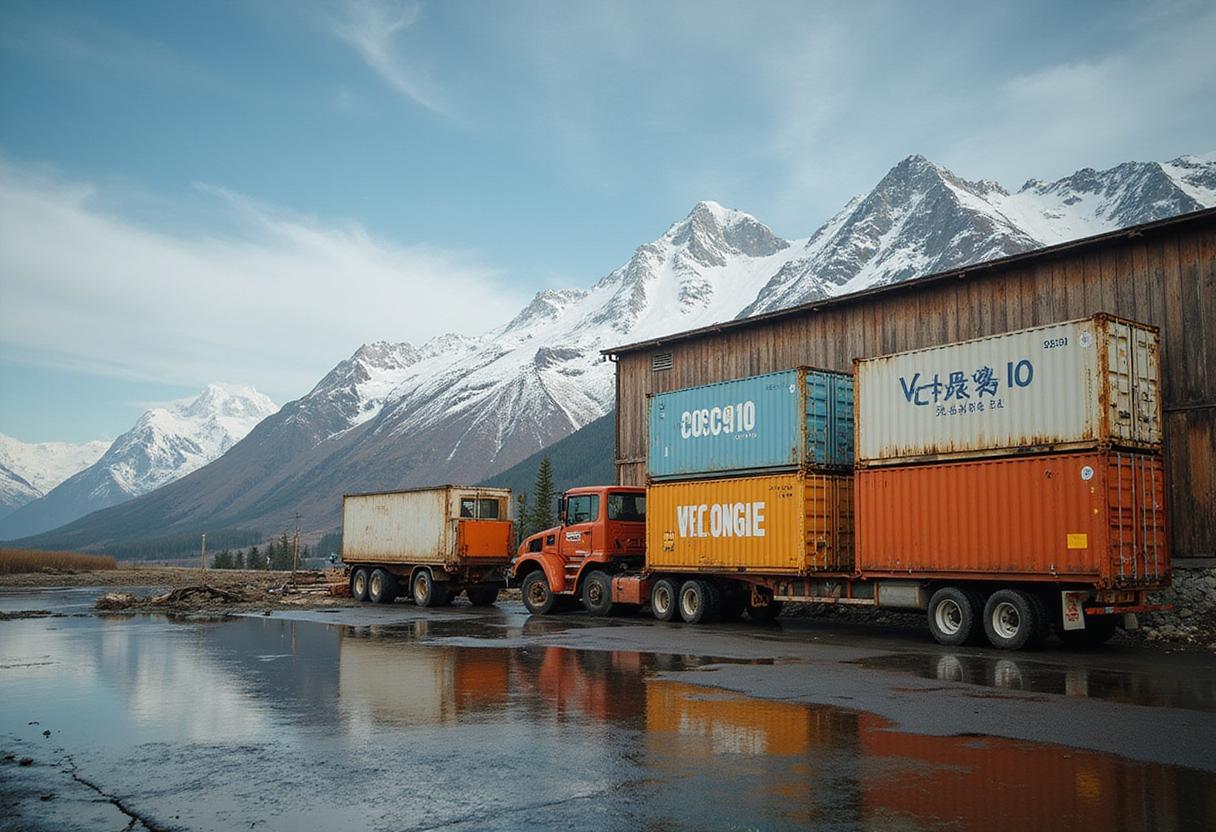
Scrutiny of COSCO, one of the world's largest container shipping carriers, is raising new risks for U.S. agricultural trade, according to a report from AgroLatam. For grain, oilseed and specialty crop shippers already managing thin margins, any disruption involving a carrier of COSCO's scale lands directly on the cost of moving product from inland elevators to overseas buyers.
The report, distributed through AgroLatam's news feed, frames the development as a risk event rather than a measured outcome. No specific enforcement action, penalty or schedule change accompanies the coverage at this stage, and growers should treat it accordingly — as a condition report on the trade environment, not a harvested result. What the headline establishes is that regulatory or political attention on the Chinese state-linked carrier has advanced far enough to register as a distinct threat to agricultural export logistics.
The concern is structural. Containerized agricultural exports — including meat, dairy, processed goods, hay, cotton and some grain byproducts — depend on a small number of major carriers for vessel capacity and container availability. When one of those carriers comes under scrutiny, the effects typically arrive through three channels: capacity withdrawals or service adjustments on specific trade lanes, freight rate volatility as shippers rebook cargo, and longer transit times as routings shift to alternative services. Each channel hits the farm-level margin by widening the gap between domestic basis and delivered prices paid by importers.
For U.S. exporters, the timing matters. Agricultural shipments to Latin American and Asian buyers move through carrier networks where COSCO and its alliance partners hold substantial market share on Pacific and transatlantic routes. Shippers who lose access to that capacity, or who face uncertainty about it, generally pay more to secure space on competing lines — a cost that export elevators and processors often pass back to origin through weaker basis.
The AgroLatam report does not yet specify which regulatory bodies are driving the scrutiny, what lanes or services could be affected, or a timeline for any decision. That gap leaves exporters to monitor the situation through the standard markers: carrier service notices, freight index movements on affected routes, and statements from agriculture and maritime agencies. Agri-Pulse and Farm Progress caliber coverage of similar shipping disruptions has consistently shown that the farm-level signal arrives late — after rates and allocations have already shifted — which argues for early engagement with forward freight contracts where available.
Growers and cooperatives with exposure to containerized exports should also separate two things in their planning. The scrutiny itself is a policy development; its effect on freight costs, basis and ultimately farmgate prices is a market outcome that depends on how carriers, regulators and shippers respond. Condition reports and forecasts in this space carry wide error bands, and the reporting window between an announcement and observable rate movement can stretch across weeks.
For row-crop producers selling into bulk channels, the direct exposure is smaller, since grain and soybeans move predominantly on dry bulk and tanker tonnage rather than container ships. The risk concentrates in the container-dependent segment of the agricultural export portfolio — a segment that has repeatedly proven to be the marginal buyer of freight capacity when disruption hits.
AgroLatam's coverage signals that the situation warrants active monitoring rather than immediate restructuring of export programs. Additional detail on the nature of the scrutiny, the jurisdictions involved and the carriers' operational responses will determine whether this remains a watch item or becomes a measurable drag on U.S. agricultural export competitiveness.
via Google News: Agricultural trade (Source)
More from Rebecca Stone
Show full bio
Market editor covering industry trends and analytics at Agribusiness Wire.
135 articles
Also in the yard
- U.S.-China Summit Ends Without Resolution on Agricultural Trade
- China and US Move Toward Farm Tariff Cuts in Major Win for Agricultural Trade
- China Tariff Cuts Leave U.S. Crop Demand in Question
- Farm Exports Overcome Headwinds Through Market Diversification
- China and Mexico Demand Fuels Optimism for Grain Markets