Offered
Seeds, Crop Protection & FertilizerLot sheet
Missouri judge approves $7.25B Roundup settlement covering future claims
A Missouri judge approved Bayer's $7.25B Roundup settlement covering current and future NHL claims, after the Supreme Court's Durnell preemption ruling. Over 30,000 cases sit in Missouri courts.
Market notes
- Judge Timothy Boyer approved a $7.25 billion nationwide Roundup class settlement on a motion rejecting numerous objections.
- Subclass 1 claimants get $3 billion in funding over the first five years; Subclass 2 covers NHL diagnoses within 16 years of final approval.
- Over 30,000 Roundup cases are filed in Missouri courts alone, while just over 200 plaintiffs have trial dates.
- The June 7-2 Supreme Court Durnell decision found FIFRA preempts state-court failure-to-warn claims.
- Bayer acquired Monsanto for $63 billion in 2018.
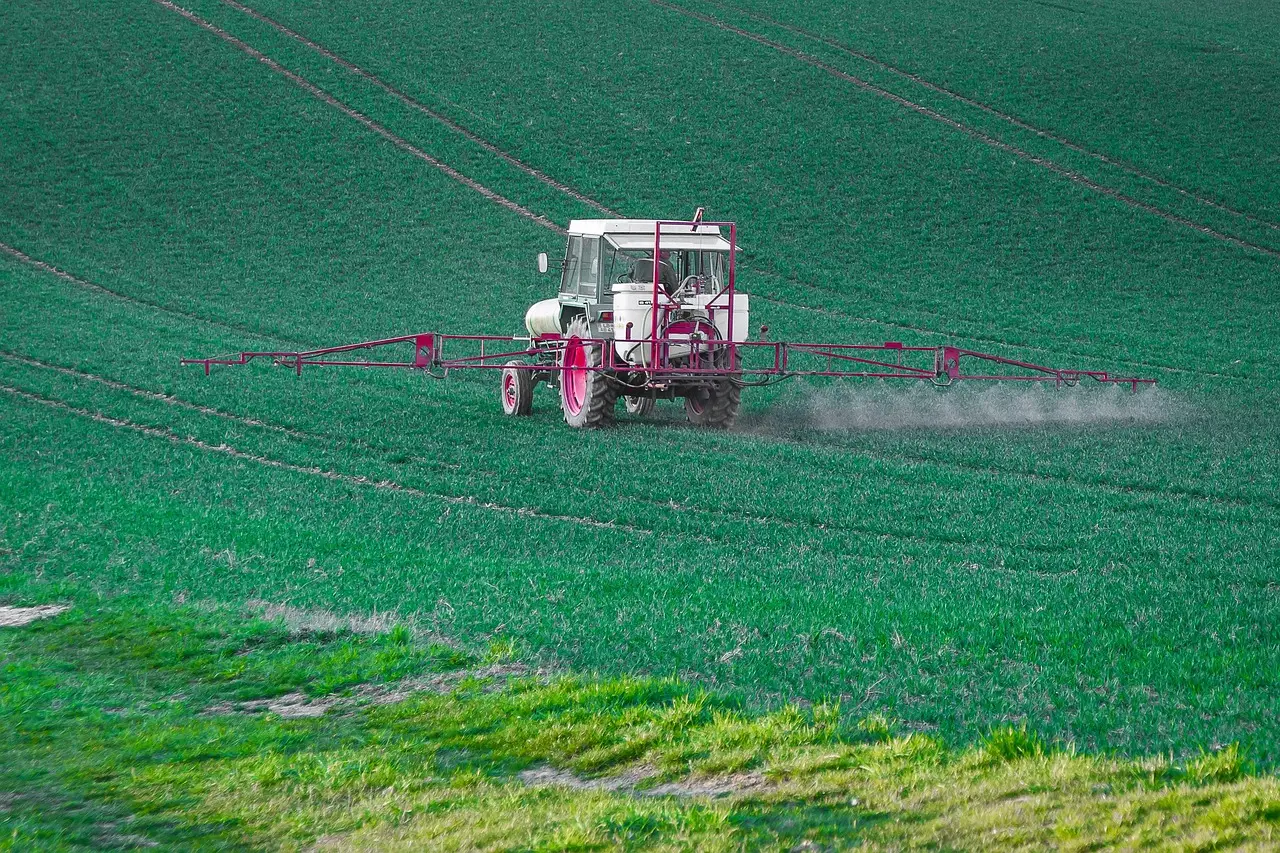
A Missouri state court judge has approved a $7.25 billion nationwide class settlement of current and future Roundup claims against Monsanto, rejecting numerous objections and clearing the largest single step yet in Bayer's effort to contain glyphosate litigation.
St. Louis City Circuit Judge Timothy Boyer issued the order, finding the settlement adequate and citing the U.S. Supreme Court's 7-2 decision in June in the Durnell case. That ruling held the Federal Insecticide, Fungicide, and Rodenticide Act preempts failure-to-warn cases brought in state court.
"Failure-to-warn claims were the principal legal theory on which Roundup litigation has been based," Boyer said in his order. Bayer CEO Bill Anderson called the approval "a decisive milestone in the company's strategy to mitigate the risks of both pending and future Roundup litigation."
Bayer, which bought Monsanto for $63 billion in 2018, said in a statement that the class settlement and the Durnell ruling "are mutually reinforcing pillars in the company's multipronged strategy designed to significantly contain the Roundup litigation." The company added that the settlement is adequately funded. What Bayer did not quantify is how much of the $7.25 billion will actually reach claimants versus administrative and legal costs — a gap the approval order does not close.
What does the settlement cover?
The deal spans two subclasses:
- Subclass 1: people who allege exposure to Roundup before Feb. 17, 2026, and who already have a non-Hodgkin lymphoma diagnosis.
- Subclass 2: those who receive an NHL diagnosis before the end of a 16-year period following final approval.
Boyer wrote that Subclass 1 counsel secured $3 billion in funding over the first five years, plus expedited payment options "for certain claimants — provisions that will distinctly benefit current claimants, some of whom have had claims pending for many years."
Subclass 2 counsel, he said, "successfully obtained long-term funding, bankruptcy protections, inflation adjustments, and backend exit rights." The subclass structure and separate counsel, the order states, "ensure adequate representation" of both diagnosed claimants and those who may be diagnosed later.
The promise of long-term protection rests on funding commitments stretching 16 years out; inflation adjustments help, but the order leaves untested what happens if claims volume outruns projections.
Why did the judge side with a settlement?
Sheer volume drove the math. Boyer counted more than 30,000 cases filed in Missouri courts alone, with tens of thousands more pending nationwide or under tolling agreements. Against that, just over 200 plaintiffs have trial dates.
"Given the enormous volume of claims (which are concentrated in Missouri), it is simply impossible for the vast majority of claimants to obtain a trial date in the foreseeable future," he wrote.
The judge also addressed objectors directly. He found no evidence of collusion, as some had alleged. "Negotiations were extensive, hard-fought and at arm's length, with the negotiation of the settlement agreement taking more than 18 months," he said.
The takeaway: approval converts an open-ended liability shadow over Bayer's crop-protection business into a bounded, funded structure — while pushing the hardest question, individual payout levels, into the claims process ahead.
via Agri-Pulse (Source)
More from Olivia Hart
Show full bio
News editor covering technology and product news in Agribusiness coverage for industry professionals at Agribusiness Wire.
558 articles
Also in the yard
- Missouri jury clears Monsanto in first Roundup trial since Supreme Court preemption ruling
- Missouri court approves $7.25 billion Bayer Roundup settlement
- Supreme Court's 7-2 Roundup Ruling Reshapes Pesticide Liability
- Bayer Faces Antitrust Suit Over Alleged Corn Seed Monopoly
- EU Court Upholds Glyphosate Approval Through 2033