Lot No. LOT-5765 · offered November 20, 2026
Seeds, Crop Protection & FertilizerLot sheet
EU Court Upholds Glyphosate Approval Through 2033
The EU General Court dismissed Antidote Europe's challenge to glyphosate's renewal, keeping Europe's most used weedkiller authorized until end-2033. Bayer intervened for the Commission.
Market notes
- On November 4 the EU General Court dismissed case T-503/24 challenging glyphosate's approval
- Glyphosate remains authorized across the EU until the end of 2033
- The Commission renewed glyphosate for 10 years in November 2023; it refused an internal review in June 2024
- Antidote Europe must pay the Commission's legal costs; appeal is possible only on points of law
- Member states can still restrict specific glyphosate products nationally
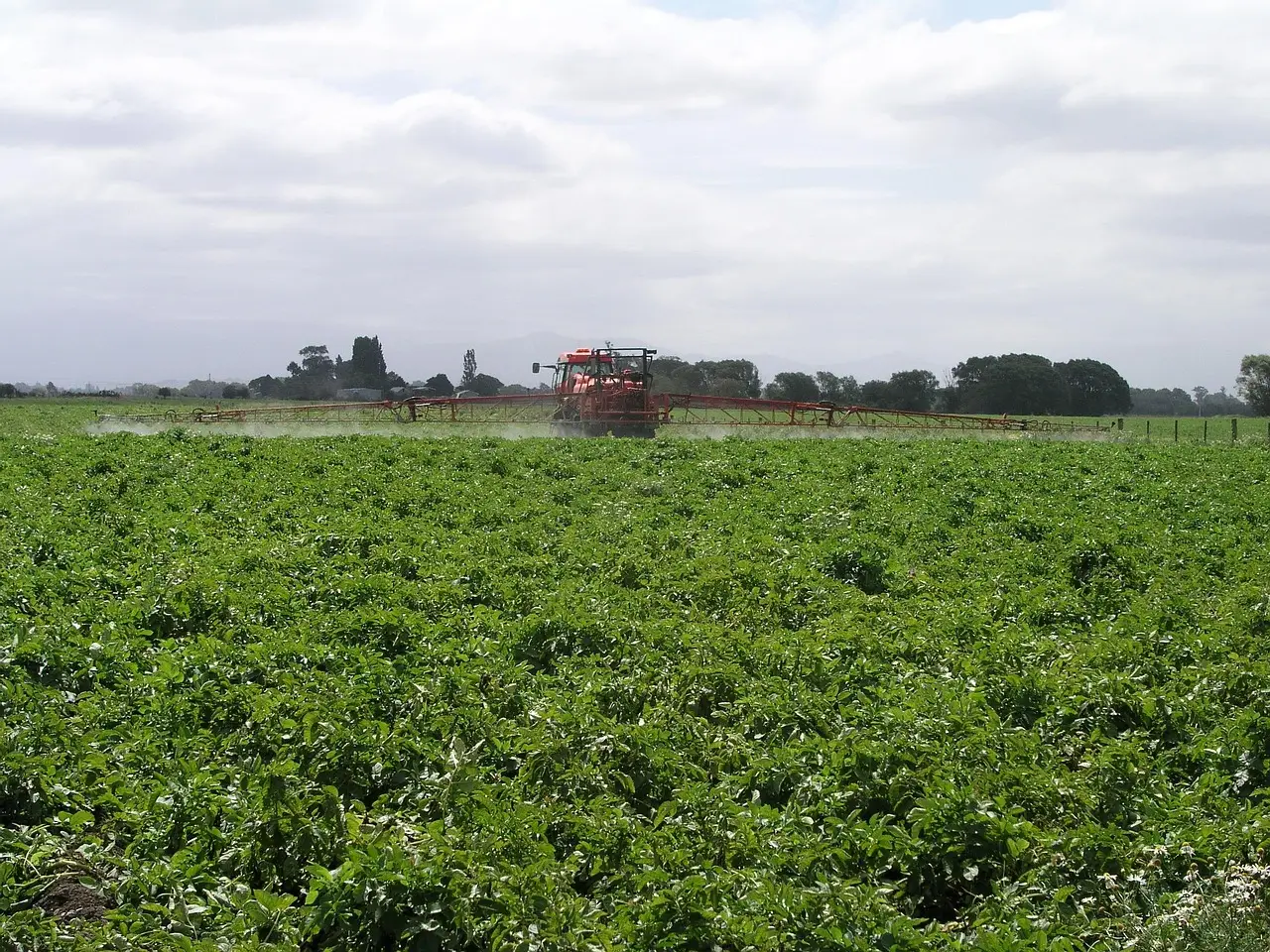
Glyphosate stays legal across the EU until December 31, 2033. On November 4, the EU General Court dismissed a challenge to the herbicide's approval, rejecting claims that regulators underplayed cancer risks — a ruling that secures Europe's most widely used weedkiller for another decade and closes, at least for now, the main legal avenue for opponents.
The case, T-503/24, was brought by Antidote Europe, a Strasbourg-based nonprofit. The European Commission had renewed glyphosate's approval for 10 years in November 2023. Antidote Europe then requested an internal review; the Commission refused in June 2024, and the group sued to annul both the refusal and the renewal itself. Bayer, which sells glyphosate under its Roundup brand, intervened on the Commission's side.
By the March hearing, the plaintiff had dropped several arguments and stood on two: that the Commission misapplied the precautionary principle, and that industry-supplied data failed to rule out a long-term cancer risk. The court wasn't persuaded by either.
What does the ruling change for growers?
In practice, not much — and that's the point. The court held that the precautionary principle does not require proof that a substance is safe before approval. The Commission, acting as what the judges called the "risk manager," was entitled to rely on the "scientifically exhaustive assessment" completed before the 2023 renewal. Two studies from 2021 and 2023 that Antidote Europe tried to introduce were tossed on procedural grounds: the group hadn't raised them in its original review request.
For farmers, that means continued access to the single most used herbicide in Europe, with no new compliance burden or phase-out clock. Input planners can budget on glyphosate remaining in the toolbox through the end of 2033.
The fight traces back to 2015, when the World Health Organization's cancer agency, IARC, labeled glyphosate "probably carcinogenic to humans." EU food safety and chemicals agencies have since concluded the substance does not meet the criteria for classification as a carcinogen — a split that has fueled a decade of litigation and lobbying on both sides.
Where the fight goes next
Antidote Europe must now cover the Commission's legal costs. It can still appeal to the EU Court of Justice, but only on points of law — not on the science. That's a narrow door. An appeal would have to show the General Court misapplied procedure, not relitigate the toxicology.
One lever remains open at national level: individual member states retain the power to restrict specific glyphosate products and uses within their own territories. Growers in restrictive jurisdictions may still face tighter national rules despite the EU-wide approval, so the effective availability map stays patchwork even after the ruling.
The ruling as reported leaves no immediate pathway to withdrawal, and the next real decision point — a renewal review before the 2033 expiry — sits a full political cycle away.
via geneticliteracyproject.org (Source)
More from Nathan Brooks
Show full bio
Staff writer covering regulation, policy and their impact on Agribusiness coverage for industry professionals at Agribusiness Wire.
590 articles
Also in the yard
- Growers Warn Crop Protection Supply at Stake in Supreme Court Glyphosate Case
- EPA and HHS Expand Collaboration as Glyphosate Review Proceeds
- Supreme Court's 7-2 Roundup Ruling Reshapes Pesticide Liability
- Missouri jury clears Monsanto in first Roundup trial since Supreme Court preemption ruling
- EPA and HHS to Coordinate on Glyphosate Registration Review