Lot No. LOT-4759 · offered November 18, 2026
Precision Agriculture & AgTechLot sheet
Manitoba growers push agtech trials toward farm profit
A Manitoba validation network has 10 projects underway, but growers say independent, multi-farm data, not artificial intelligence novelty, must prove each technology improves farm returns.
Market notes
- AIVA launched in May 2026 and has begun 10 validation projects across four hubs.
- Findings from the inaugural projects are expected in early 2027.
- Four technology categories are under review: drones, crop-monitoring tools, software and autonomous equipment.
- Mark Keating, near Russell, Manitoba, had completed his 35th harvest.
- Rick Rutherford operates farms roughly two hours apart and hosts technology trials.
By Rebecca Stone
The Agriculture, Innovation, Validation, and Adoption (AIVA) Network launched in May 2026 and has begun 10 validation projects across four hubs, with findings expected in early 2027, according to farmer network success manager Carl Havixbeck.
The inaugural projects evaluate drones, crop-monitoring tools, agricultural software and autonomous equipment. AIVA began through a partnership involving the Enterprise Machine Intelligence & Learning Initiative (EMILI), Farm Credit Canada and the Wabash Heartland Innovation Network.
It connects farmers with technology developers for independent evaluation before producers commit purchase dollars. Because the results remain pending, the projects test a pathway to evidence, not proven gains in yield, cost or return.
At the Nov. 5, 2026 EMILI Agriculture Enlightened conference in Winnipeg, producers and agricultural technology specialists examined that issue on a panel titled Field-Tested: Real-World Farmers Testing Real-World Solutions.
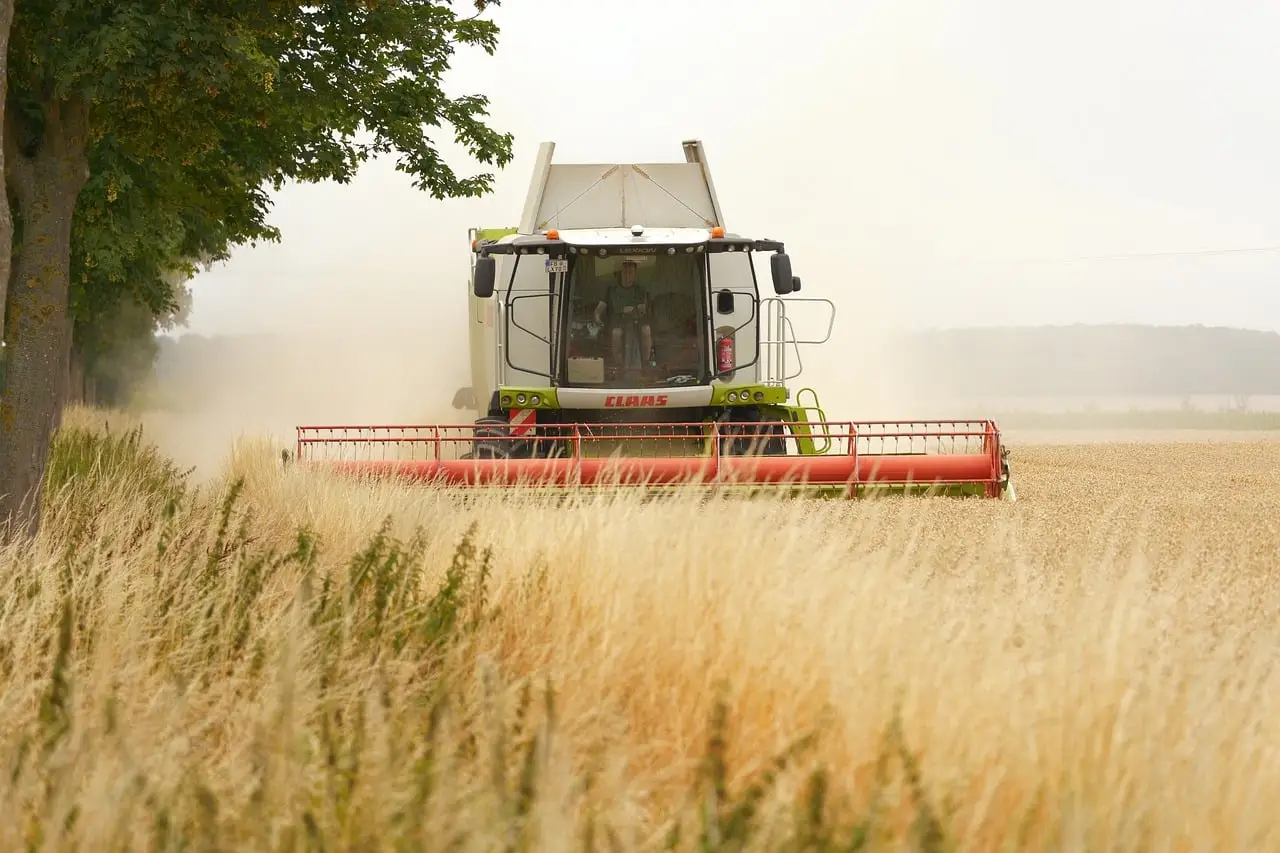
Mark Keating, president and CEO of Keating Seed Farms and Keating Seed Corp. near Russell, Manitoba, completed his 35th harvest. His test for new technology was simple: Will it make his farm more profitable?
“Farming has always been risky, but in the relatively recent past, to me it’s shifted more from labour risk, you know, and sweat equity risk to flat out financial risk,” Keating said.
Keating said growers need every tool that can maximize returns or minimize risk. The decision carries two failure costs: buying a system that never recovers its cost, or passing up one that would add income.
What must technology prove in the field?
Third-generation Manitoba farmer Rick Rutherford hosts innovation trials on his operation. He farms locations roughly two hours apart and needs remote monitoring across them.
His experience with advanced weather stations exposed substantial variation among electronic rain-gauge readings. The traditional gauge nailed to a fence post did not have those failures.
“It worked every time. It never missed. I didn’t have to worry about if the battery was up to date, if the solar collector was on it,” Rutherford said.
His point was not to reject digital tools. Developers, he said, often emphasize sophisticated features while overlooking dependable readings and functioning power systems.
Keating reported a similar mismatch in farm-management software. He has used numerous platforms with useful features, but their reports have not consistently delivered what farmers need.
Developers appeared, in his assessment, to receive some farm input, though not a large amount.
Can one farm validate another?
Holly Johnson, an agronomist with Pitura Seeds, said meaningful adoption normally requires full-scale field validation after laboratory work and small-plot research. Farmers do not generally accept a product before that stage because failure carries economic and operational risk.
Even field success at one operation does not establish performance across soils, weather and geography. Johnson used Rutherford Farms in Grosse Isle and Johnson Farms in Dugald to make the distinction.
Her standard is whether an individual farmer in a given geography can see the benefit and capture return on investment (ROI) on that particular farm.
Pitura Seeds began using a remotely operated drop-pan system this fall to measure combine losses. Operators can calculate losses from measured data rather than visual estimates alone.
The tool modernizes a task Cal Pitura once performed by walking behind a combine with a grain shovel and collecting straw samples to check whether the machine was spilling grain. Johnson said the objective was unchanged: minimize combine losses.
The panel provided no measured loss reduction, cost saving or dollar return from the drop-pan system. It is a field report from an active trial, not a harvested economic result.
How can farmers separate useful tools from noise?
Havixbeck said keeping pace with farm technology has become a job of its own. The most common response from farmers joining AIVA is that they lack time to vet every product and need help.
He believes the network could eventually serve as a trusted technology adviser, in the same role that agronomists and other specialists play for producers.
Farmers do not want more sales pitches about novelty, Havixbeck said. His father asked first what an innovation meant for the operation and business.
Havixbeck expects artificial intelligence to increase the flow of products and make screening harder. AIVA has already added a less formal channel: one member proposed a private WhatsApp group for producers facing similar problems, and Havixbeck implemented it.
Johnson considers peer-to-peer learning essential as tools become more sophisticated.
What will the next test show?
Artificial intelligence recurred through the panel as both a source of better decisions and a source of more noise. Rutherford described substantial rainfall this summer that left large areas of farmland underwater.
His operation asked providers to determine what percentage of the farm had flooded, but the response came slower than he wanted. The episode showed the need for farm-specific answers and the limits of development cycles when a problem demands an immediate response.
Keating argued that formal validation and open sharing of results could speed adoption of tools that deliver genuine value. Testing also must remain flexible enough to accommodate conditions no protocol anticipated.
The panel supplied no figures for crop input costs, subsidies, grain basis (the difference between the local cash price and a futures benchmark) or farm margins. Its economic case rests on avoiding wasted technology spending and quantifying harvest losses.
The next test comes with early 2027 results from four hubs: whether independent, multi-site evidence can give farmers enough confidence to adopt tools under their actual field conditions.
via seedworld.com (Source)
More from Rebecca Stone
Show full bio
Market editor covering people, launches and day-to-day practice in Agribusiness coverage for industry professionals at Agribusiness Wire.
521 articles
Also in the yard
- AI Tools Spread Across U.S. Farms, but Grower Skepticism Persists
- FBN, Google AI Futures Fund to Build 'AI Context Engine' for Farms
- 52 Years on the Land: Steve Pitttick Bets Early on AI
- Five ag tech startups split $500,000 for North Dakota farm trials
- House Bill Targets Farm AI Gap as 75% of Farmers Skip the Technology