Lot No. LOT-2163 · offered November 17, 2026
Precision Agriculture & AgTechLot sheet
Sabanto Adds Precision Planting 20|20 Support for Autonomous Planting
Sabanto will support Precision Planting's Gen 3 20|20 system from spring 2027, enabling autonomous planting with row-by-row monitoring and no operator in the seat.
Market notes
- Sabanto will support planters running Precision Planting's Gen 3 20|20 system starting with the spring 2027 growing season.
- The combination enables autonomous planting with no operator in the seat and no remote monitoring required.
- Growers set per-row tolerances in Vehicle Mission Control that trigger pauses, notifications or both.
- Panorama subscribers can remotely view Gen 3 20|20 planter data during autonomous operation.
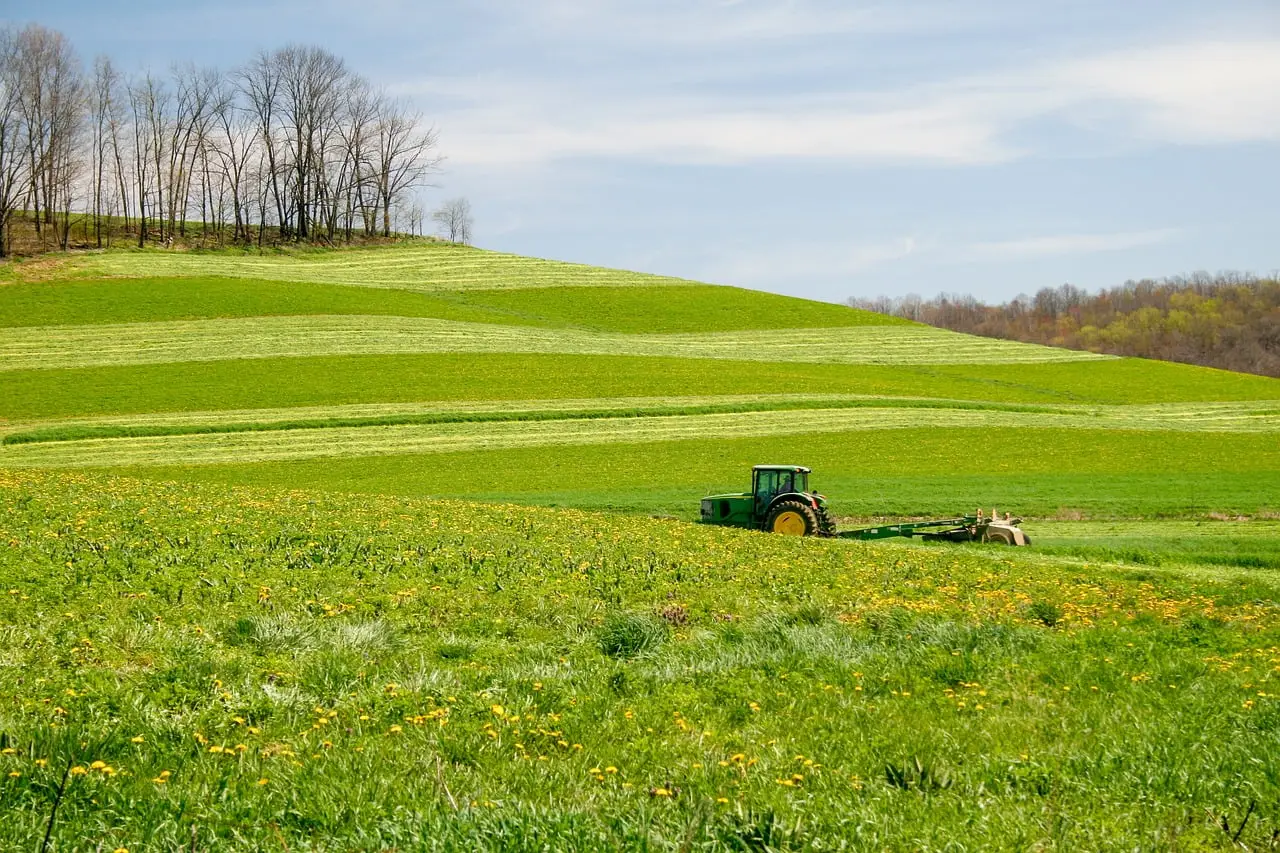
Sabanto will support planters equipped with the Precision Planting Gen 3 20|20 system starting with the spring 2027 growing season. The Ames, Iowa, autonomy firm says the pairing allows planting and other precision field operations without an operator in the seat or remote monitoring.
The announcement targets one of the sharpest cost lines in row-crop budgets: equipment. Rising input costs, labor shortages and tighter farm margins frame the company's pitch that smaller, cheaper machinery running longer beats bigger, more expensive iron.
What changes for growers?
Growers with Sabanto-retrofitted tractors can run their existing planters and Precision Planting setups unattended, keeping the data and performance records they already rely on. Sabanto frames the combination as autonomous planting made practical and affordable, and as a way to cut capital expenses by using equipment farmers already own.
The Gen 3 20|20 system continues to run and monitor all planting functions row by row during autonomous operation, including seeding, rate control, prescriptions and as-planted recording. Growers with a Precision Planting Panorama subscription can view the 20|20 system's information remotely.
"Growers told us the tractor driving itself wasn't the hard part of planting – Trusting the planter without someone watching it was. This gives them that confidence and peace of mind with the equipment they already trust," said Craig Rupp, founder and CEO of Sabanto.
How the monitoring works
Sabanto's Vehicle Operating System monitors and reports planter performance as measured by the Precision Planting system. If a row's performance falls outside a set tolerance, the system responds and notifies the operator. Sensitivity is grower-configurable: per-row tolerances in Vehicle Mission Control, Sabanto's autonomous tractor interface, let farmers decide when a pause, a notification or both are warranted.
Farmers have two oversight options. They can perform other tasks while the tractor navigates and plants on its own, or they can supervise fieldwork remotely through Vehicle Mission Control, viewing 20|20 data to diagnose problems, make adjustments or direct the tractor to the field edge for a closer look.
Why the timing matters
Planting ranks among agriculture's most time-sensitive operations. Weather and soil conditions create narrow planting windows, leaving little margin for inefficiency or downtime. Sabanto says fully autonomous planting lets farmers manage those time constraints and improve operational efficiency while maintaining accuracy and consistency in the seed trench.
Kentucky grower Quint Pottinger put the economics in personal terms. "In 2024 we saw the problem: you can't support your community if you can't afford the equipment to put grain in the ground. Equipment costs have dropped in nearly every industry except ours. Sabanto and Precision Planting give us financial runway, mental space and time to ask our neighbors what they need. They've built more than a self-driving tractor; they've built a platform farmers can trust," Pottinger said.
The road to 2027
The company positions the integration as a unified fieldwork experience, combining fully autonomous tractor operation with Precision Planting technology in a single workflow rather than separate systems layered together.
The claim of affordable unattended planting remains a company projection rather than a harvested result. Growers will not see the combination in the field until spring 2027, and real-world performance, retrofit costs and reliability across planting windows will determine whether the promised savings hold up against conventional equipment budgets.
via sabantoag.com (Original)
More from Marcus Bennett
Show full bio
Senior reporter covering regulation, policy and their impact on Agribusiness coverage for industry professionals at Agribusiness Wire.
484 articles
Also in the yard
- Reps. Davis, Mann Reintroduce Promoting Precision Agriculture Act
- AI Pushes Precision Agriculture Toward Plant-Level Management
- Research Targets Precision Agriculture Cost Barrier for Smaller Farms
- Global Tractor Sales to Reach 2.6 Million Units by 2031
- Precision Agriculture Market to Reach $17.29 Billion by 2031