Lot No. LOT-1394 · offered October 17, 2026
Precision Agriculture & AgTechLot sheet
52 Years on the Land: Steve Pitttick Bets Early on AI
After 52 years of adopting every new wave of farm technology, grower Steve Pitttick says artificial intelligence will separate successful farmers from those left behind.
Market notes
- Steve Pitttick has spent 52 years adopting new farm technology.
- He says artificial intelligence will separate successful farmers from those left behind.
- He describes the current tech environment as farming's 'Wild West'.
- His position favors early adoption over hesitation in unsettled conditions.
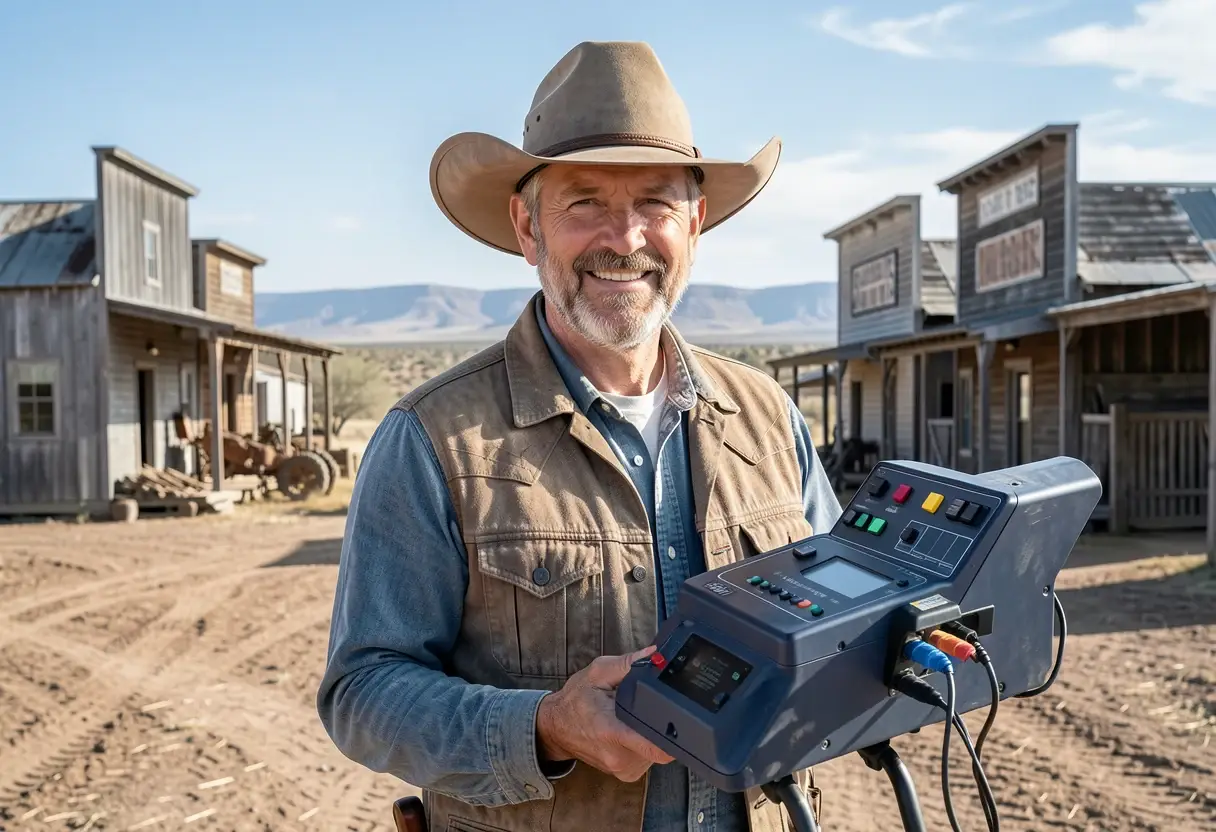
Fifty-two years of continuous adoption. That is the record Steve Pitttick brings to the debate over artificial intelligence in agriculture, and he argues the technology will separate successful farmers from those left behind.
Pitttick, profiled in the Farmer Iron series, has spent more than five decades integrating new farm technology into his operation. His tenure spans a period in which each wave of tools — from early guidance systems to today's machine-learning platforms — arrived with skepticism attached. He adopted anyway.
What does a 52-year view teach?
Pitttick describes the current technological environment as farming's "Wild West" — a phase of unsettled, unregulated and rapidly shifting tools in which no one holds a map. In his framing, that chaos rewards the operator who moves early rather than the one who waits for certainty.
Five decades is roughly the length of an entire working farming career. Put differently, Pitttick has witnessed nearly every major mechanization and digitalization cycle of modern American row-crop agriculture from the same seat. His conclusion is direct: adopt first, refine second.
What does this change for growers weighing AI?
The practical question for most operators is not whether artificial intelligence works. It is whether waiting costs more than experimenting. Pitttick's answer, drawn from 52 years of adoption decisions, is that hesitation is the riskier position. Early adopters gain time to learn systems on their own terms, and late adopters inherit both the technology and the learning curve at once.
That calculus matters now. Input costs remain elevated, and any tool promising better timing, better targeting or better data use carries direct margin implications. Pitttick's position does not promise AI will pay on every acre. It promises that the farmers who test it early will know their numbers before their competitors do.
A separating technology
Pitttick is blunt about outcomes. In his view, artificial intelligence will divide farming into two camps: those who engage with the tools and those who fall behind them. That is a social claim as much as a technical one, and it echoes how earlier technologies reshaped farm structure — those who adopted gained scale and margin, and those who delayed conceded both.
Whether AI follows that historical pattern remains unproven. No harvested results exist yet at scale for most machine-learning applications in the field. Condition reports and vendor forecasts are one thing; verified outcomes on commercial acreage are another. Pitttick's argument rests on pattern recognition from a long career, not on trial data.
What is certain is that the next several seasons will test his thesis, and that the growers who experiment now will generate the first real evidence either way.
via Farm Progress (Source)
More from Marcus Bennett
Show full bio
Senior reporter covering regulation, policy and their impact on Agribusiness coverage for industry professionals at Agribusiness Wire.
416 articles
Also in the yard
- AI Tools Spread Across U.S. Farms, but Grower Skepticism Persists
- AI Moves From Showcase to Dealer Lot in Farm Equipment
- House Bill Targets Farm AI Gap as 75% of Farmers Skip the Technology
- AI Offers Promise for Agriculture, but Smallholders Risk Being Left Behind
- New U.S. Bill Aims to Push AI Onto Farms Most Growers Still Ignore