Lot No. LOT-6819 · offered October 17, 2026
Seeds, Crop Protection & FertilizerLot sheet
Locus Agriculture expands Unpac soil conditioner into row crops
Locus Agriculture reports 10-15% potato yield gains from Unpac, its 4 oz/acre glycolipid soil conditioner now expanding into row and specialty crops.
Market notes
- Locus Agriculture reports 10-15% yield increases in potato field programs combining Unpac with its microbial technology.
- Unpac applies at approximately 4 fluid ounces per acre.
- USDA ERS analysis found growers cited soil compaction on 22% of surveyed wheat, soybean, oat and cotton fields.
- Third-party lab testing covered soils from California's Central Coast and Central Valley.
- Unpac uses fermentation-derived glycolipid technology rather than mechanical disturbance.
By Rebecca Stone, Agribusiness Wire
Locus Agriculture reports yield increases of 10% to 15% in potato field programs that pair its Unpac soil conditioner with the company's microbial technology, and the Solon, Ohio, input maker is now expanding the product across row and specialty crop systems where compaction limits root development.
The scale of the problem is measurable. An analysis by USDA's Economic Research Service found growers identified soil compaction as a resource concern on 22% of surveyed wheat, soybean, oat and cotton fields. For growers, compaction is a margin issue: dense soil restricts root exploration, which in turn constrains how much of the paid-for fertility, water and crop protection a crop can actually reach.
What does Unpac change at the field level?
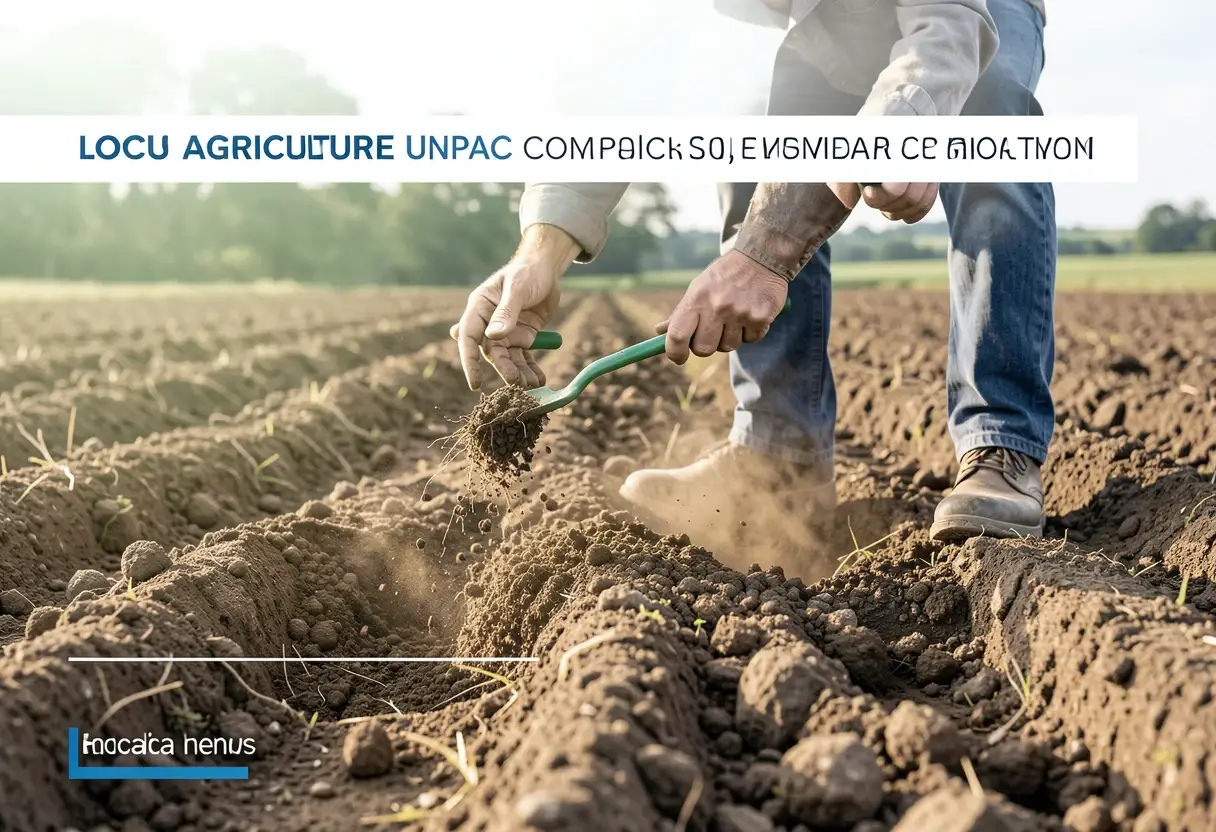
Unpac is a glycolipid-based (glycolipids are fat-and-sugar molecules produced here by fermentation) soil conditioner designed to work through soil-water interactions rather than mechanical disturbance. At a field application rate of approximately 4 fluid ounces per acre, the product reduces surface tension so water spreads laterally and penetrates into soil micropores instead of running off or channeling.
That mechanism is what separates Unpac from deep ripping or other tillage-based fixes. It requires no pass through the field and fits into existing crop-management programs, which matters for growers weighing fuel and labor costs against soil-quality investments.
Third-party laboratory testing showed reduced soil density across a range of moisture levels in agricultural soils collected from California's Central Coast and Central Valley. The testing also found improved water penetration through both soil types compared with untreated water.
Lab results on soil density are not the same as harvested yield outcomes, and the company's 10-15% potato figure covers field programs combining Unpac with its microbial products, not Unpac alone. Growers evaluating the product should treat the lab density data and the yield claim as separate evidence points.
Where is it being used?
The company lists two established application patterns:
- Potatoes: in-furrow application during planting, intended to create a looser growing medium as roots and tubers develop.
- California strawberries: applied through drip irrigation beneath plastic-covered raised beds, where bed construction creates compaction. Locus agronomists report looser soil conditions and more effective root penetration.
"Compaction is more than a soil problem. It's a crop performance problem," said Dave Dyson, lead agronomist at Locus Agriculture. "When roots encounter dense soil, they have a harder time exploring the soil profile for the water and nutrients the crop needs. Unpac gives growers another tool for improving that root-zone environment."
What does it mean for input budgets?
Jason McGarrh, vice president of Locus Agriculture, framed the value proposition in terms growers can audit: "Growers already have significant investments in fertility, water and crop protection in every acre. When compaction restricts the root system, the crop can have a harder time accessing those resources. Improving root-zone conditions gives growers another way to protect the productivity of the inputs they have already paid for."
Unpac is one agricultural application of Locus FS' fermentation-derived glycolipid technology. While Locus Agriculture's microbial products act through biological activity, glycolipid products use functional molecules to address physical and chemical challenges in crop production. The company continues to build a portfolio spanning biologicals, inoculants, foliar products, soil solutions and adjuvants, targeting root development, nutrient efficiency, soil and water management and spray performance across the production cycle.
With compaction flagged on more than a fifth of surveyed wheat, soybean, oat and cotton acreage, Locus will be pushing Unpac into row-crop programs where a 4-ounce-per-acre input competes directly with tillage passes on cost per acre.
via locusfs.com (Original)
More from Rebecca Stone
Show full bio
Market editor covering people, launches and day-to-day practice in Agribusiness coverage for industry professionals at Agribusiness Wire.
443 articles
Also in the yard
- Cover Crops Trade Water Costs for Long-Term Gains
- One Farm, 1.15 Billion Management Pathways: K-State Puts Precision Ag Choices in Focus
- Iowa State Agronomist: Persistent Rain Stalls Harvest, Quality Erodes
- Fine-Tuned Fertilizer Use Offers Corn Growers a Path to Lower Input Bills
- Dan Basse Warns Seed Industry: Abundance, Pressure Ahead