Lot No. LOT-6269 · offered November 7, 2026
Agricultural PolicyLot sheet
Kansas Rejects GMD3 Water Plan as Ogallala Declines Continue
Kansas Chief Engineer Earl Lewis rejected GMD3's plan to curb Ogallala aquifer declines, saying modest cuts would still let water levels fall for 60 years across southwest Kansas.
Market notes
- Chief Engineer Earl Lewis rejected GMD3's groundwater decline plan on Sept. 30 because it failed to stabilize levels over 60 years.
- Kansas passed HB 2279 in 2023 with votes of 34-6 in the Senate and 116-6 in the House; action plans were due July 1, 2026.
- GMD3 designated its entire district a high-priority concern in 2024 based on continuing declines.
- Lewis's November 2025 guidance called for stabilizing groundwater levels within 20 years of plan implementation.
- GMD2 and GMD5 plans met statutory requirements after resubmission; GMD3's water quality portion was approved.
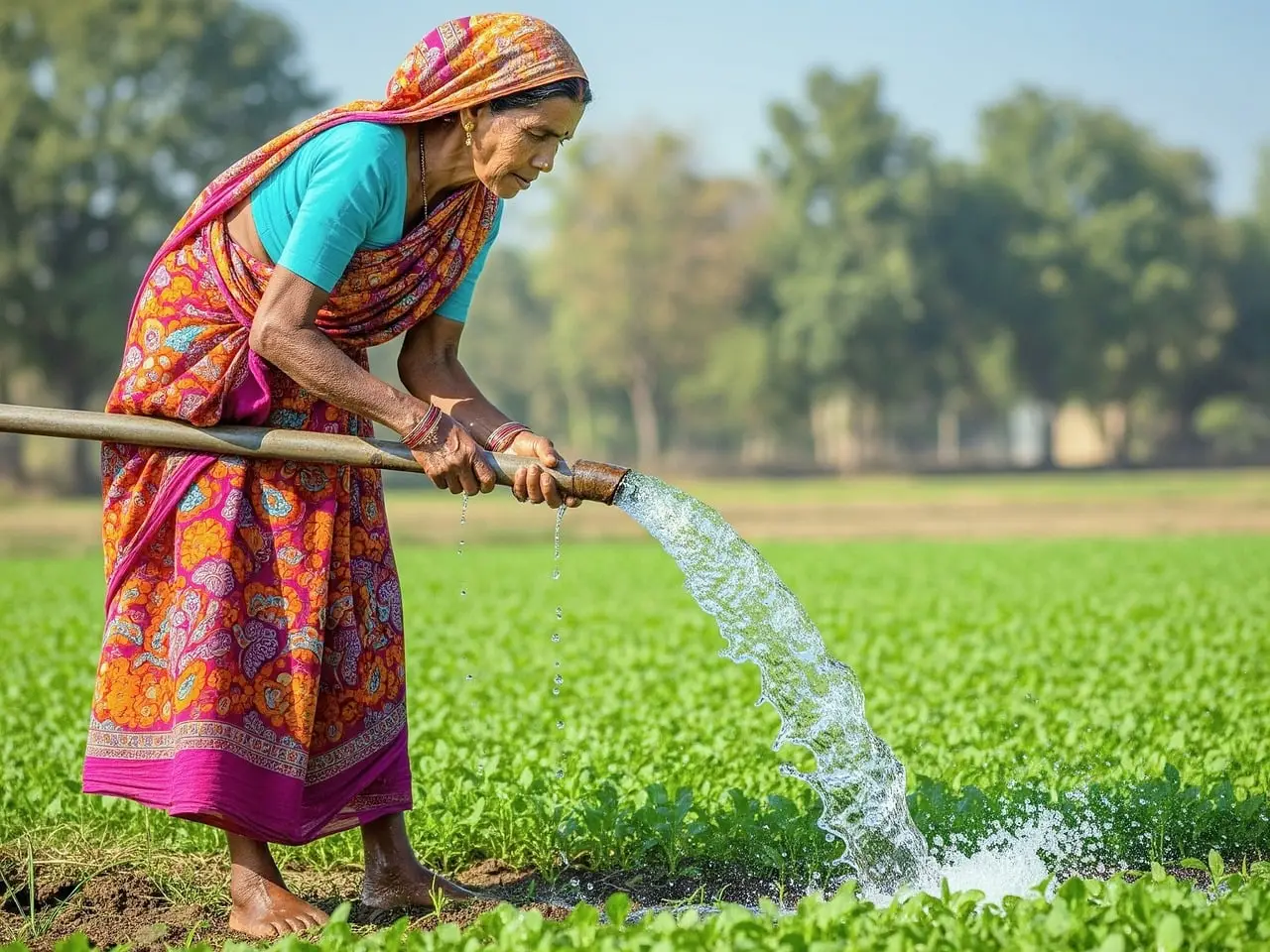
Kansas' top water regulator rejected the groundwater decline portion of Southwest Kansas Groundwater Management District No. 3's conservation plan on Sept. 30, saying the proposed cuts would still let the Ogallala–High Plains aquifer drop for the next 60 years.
Earl Lewis, Chief Engineer and director of the Kansas Department of Agriculture's Division of Water Resources, laid out the decision in a first-person column published Nov. 7 by the High Plains Journal. He approved GMD3's water quality provisions and its designation of the entire district as a high-priority area of concern — but refused the part meant to halt groundwater level declines.
The reason, in his words: the district's actions "failed to stabilize groundwater level decline at any point over the next 60 years, implementing modest cuts, but allowing the aquifer levels to continue to drop by thousands of acre-feet."
For irrigators in southwest Kansas, the stakes are straightforward. Lewis wrote that under GMD3's own modeling, in most of the district the groundwater available to farmers and communities would be "on the verge of being unusable" within 50 years.
How did we get here?
Declining water levels in western Kansas were a key reason the state passed the Groundwater Management District Act in 1972. Fifty-four years later, levels continue to drop despite some progress, Lewis wrote.
The Kansas Legislature responded in 2023 with House Bill 2279 and companion funding for water conservation. The vote was not close — 34 to 6 in the Senate, 116 to 6 in the House — with strong support from legislators representing areas hit hardest by declines.
The law required each groundwater management district to identify high-priority areas and submit action plans to the Chief Engineer by July 1, 2026. Lewis's job: decide whether each plan reasonably addresses the problems it identifies.
What happened to the plans?
- In 2024, GMD3 designated its entire district a high-priority area, citing continuing declines district-wide.
- In November 2025, Lewis sent all GMDs a letter defining what counts as reasonable — guidance that plans should stabilize groundwater levels within 20 years of implementation.
- GMD3 met the July 1 deadline. In early August, Lewis returned plans from GMD3, GMD2 and GMD5 for additional work, finding they failed to reasonably address certain water quality and quantity issues.
- After resubmission, GMD2 and GMD5 satisfied the statutory requirements.
- GMD3's revised plan still fell short on quantity.
The takeaway: the state now accepts two districts' plans and has forced a third back to work on the aquifer decline itself.
What does the rejection mean for farmers?
Lewis framed the refusal as a legal obligation. State law, he wrote, obligates him to regulate and conserve Kansas water resources "for the benefit of the people of the state consistent with the public interest" — and he cannot call continued depletion over 50 to 60 years acceptable.
Without reductions in water use, he wrote, water levels will keep falling until the aquifer is effectively dewatered and most, if not all, of the area returns to dryland farming. Recovery would not come quickly: total depletion of the aquifer could take hundreds or thousands of years to reverse, and the economic damage to communities and agriculture would be "brutal and irreversible in our lifetimes."
Lewis paired the warning with praise and a caveat. He said he appreciates the work all GMDs put in, including GMD3, and noted that after nearly 35 years in Kansas water resources he has seen farmers and ranchers adapt to reduced water availability. He wrote that he fully expects GMD3 water users to keep making a living while preserving water for future Kansans.
What he did not say is what specific reductions the state will demand next, or what happens if GMD3 cannot produce a plan that stabilizes levels within the 20-year benchmark. That question now sits with the district.
via High Plains Journal (Source)
More from Olivia Hart
Show full bio
News editor covering technology and product news in Agribusiness coverage for industry professionals at Agribusiness Wire.
484 articles
Also in the yard
- SatRAP project puts 45 High Plains farms under satellite irrigation watch
- Farm Bureau backs EPA WOTUS rewrite; green groups cite wetlands loss
- Klamath Basin Water Outlook Shifts from Crisis to Collaborative Fix
- CNPPID serves more than 109,000 irrigated acres in Nebraska
- Water Quality Question Drives Iowa Farmer to Change Practices