Lot No. LOT-8610 · offered October 1, 2026
Crop EconomicsLot sheet
Higher Grain Prices Fail to Offset Low Yields in Ireland
Irish grain growers faced a season where firmer market prices could not compensate for weak harvest results, compressing farm-level margins and tightening domestic supply.
Market notes
- Higher grain prices failed to offset low yields in Ireland this season.
- The price-yield gap compresses grower margins despite firmer market quotes.
- Lower domestic grain output tightens supply for Ireland's feed and milling users.
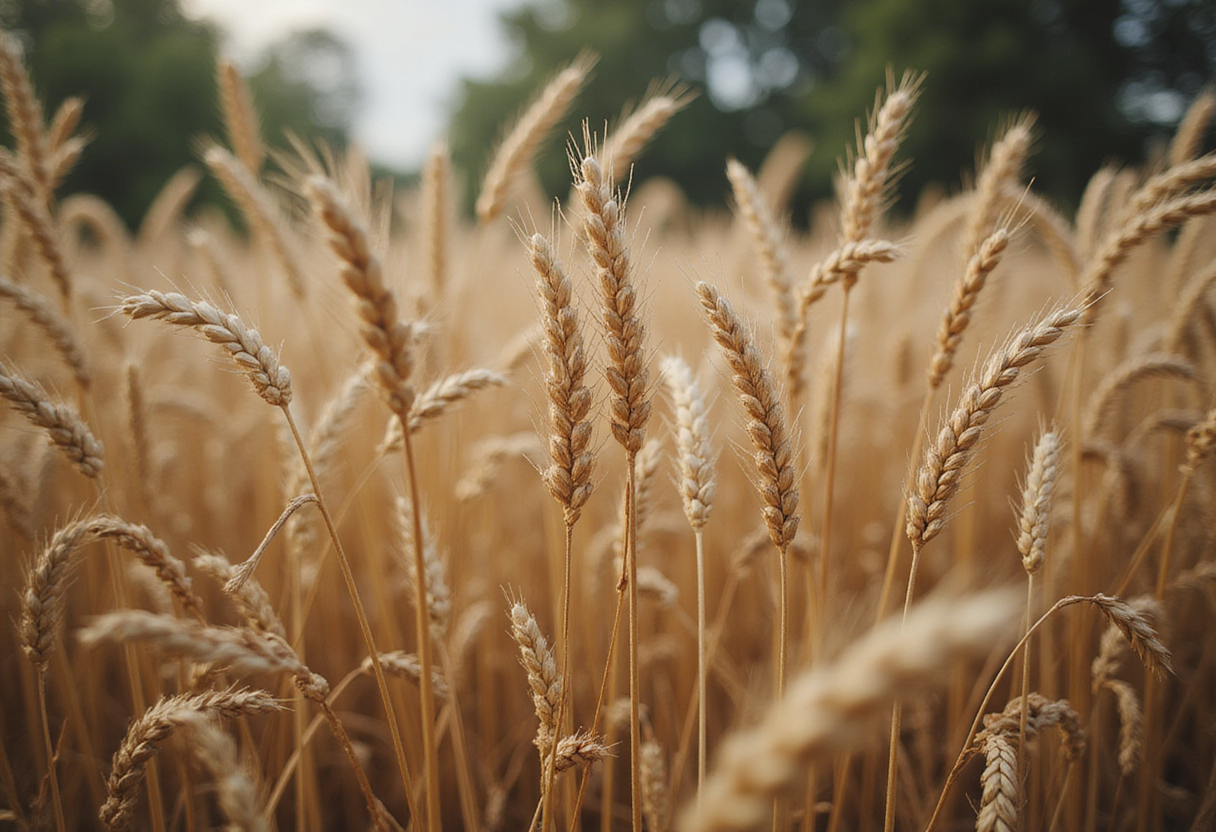
Higher grain prices failed to offset low yields in Ireland this season, leaving the country's tillage growers with a harvest that offered stronger market returns on paper but weaker output in the field.
The headline captures a margin squeeze that matters for farm economics across the Irish grain sector. When prices rise but yields fall, gross revenue per hectare can stagnate or decline even as headline market quotes suggest a favorable year. For growers, the arithmetic is unforgiving: a higher price multiplied by a smaller crop does not guarantee a higher income, and input costs incurred at planting do not shrink with the harvest.
The dynamic puts Irish cereal producers in a position familiar to growers elsewhere in Europe this marketing year. Market prices have firmed, yet the physical crop available to sell has contracted. That combination compresses the margin between what farmers spent to grow the grain — seed, fertilizer, fuel, crop protection — and what they can recover at the gate.
For the Irish trade, lower domestic output also tightens supply available to domestic feed and milling users. Ireland's livestock sector relies heavily on homegrown barley and wheat for feed rations, and a smaller grain crop typically shifts demand toward imports, with implications for freight flows and pricing at the port level.
It remains the case that condition assessments during the growing season and final harvested results are distinct data points. Early-season expectations for Irish grain production, shaped by weather through spring and summer, must be measured against actual threshed outcomes once the harvest concludes. The reported shortfall in yields points to growing-season stress that outweighed the support prices provided at the marketing level.
For growers planning next season, the outcome frames a clear question: whether price levels will hold high enough to restore margins if yields return to trend, or whether yields will remain the binding constraint on Irish grain profitability.
Agronomists and market analysts tracking the Irish harvest will watch whether the yield shortfall reflects a single-season weather pattern or a more persistent constraint, a distinction that will shape both planting intentions and procurement strategies for the season ahead.
via Google News: Grain prices (Source)
More from Rebecca Stone
Show full bio
Market editor covering industry trends and analytics at Agribusiness Wire.
134 articles