Lot No. LOT-1261 · offered November 13, 2026
Crop EconomicsLot sheet
Iowa Herb Farm Doubles Market by Selling Gifts, Not Food
A 2019 Scovie Award-winning chile oil from Fairfield, Iowa anchors a value-added herb business that doubled its market by repositioning itself as a gift company, funded without debt.
Market notes
- Pickle Creek Herbs' Prairie Fire chile oil won the 2019 Scovie Award, beating producers from New Mexico, Texas, Arizona and California.
- The Engmans returned to the Fairfield, Iowa family farm in 2004 and moved to value-added products by 2006.
- About 25% of sales come online, 50% from direct market sales and 25% wholesale.
- Crops are grown on 13 of the family's 100 acres; the rest is alfalfa hay and timber.
- Repositioning as a gift company roughly doubled the company's market, Jocelyn Engman said.
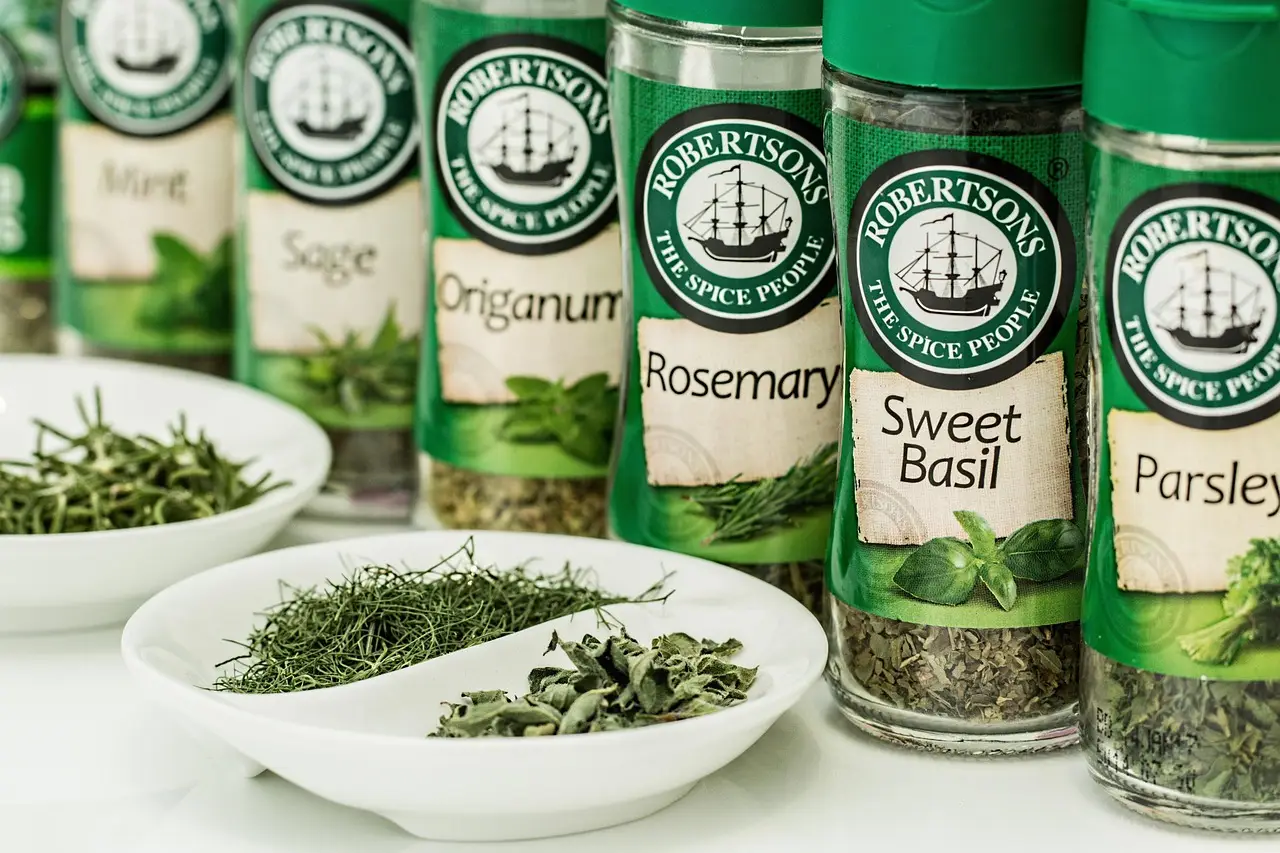
An infused habanero oil from Fairfield, Iowa — not New Mexico or California — won the 2019 Scovie Award for America's best chile oil, and the growers behind it say the prize rests on a business model built to escape commodity pricing.
Pickle Creek Herbs, run by Jocelyn and Tim Engman on a fifth-generation family farm outside Fairfield, started in 2004 when the couple left science careers in the Chicago area. Their first model was a Community Supported Agriculture operation: vegetables grown and delivered weekly to local subscribers, with sales at farmers markets. By 2006 they were infusing oil and vinegar with their own produce, and by 2008 strong direct-to-consumer sales at the Des Moines Farmers Market pushed them toward value-added products.
The case study comes from the Diverse Corn Belt Project, which has spent five years examining diversified farming systems in Indiana, Illinois and Iowa, along with the policy and infrastructure those systems need.
Why leave the CSA model?
Even in a state where 94% of farmland grows corn and soybeans, the CSA and farmers market scene was crowded. The Engmans composted unsold produce after markets where every grower stacked tables with the same tomatoes and zucchini.
Jocelyn said: "We definitely wanted to go value-added based on where we are — kind of in the middle of nowhere, even for Iowa." A brand, she argued, changes how customers judge price. "When you grow a tomato, and there's all these tomatoes at the market, people go around looking for the cheapest tomato. We wanted to create something that was not a commodity in people's minds."
Shelf-stable products also solved seasonality. "If you want year-round income, you have to ship," she said.
Today about 25% of sales come through picklecreek.com across the U.S. Half are direct sales at farmers markets, craft shows, holiday markets and gatherings like the Iowa State Fair. The final 25% are wholesale to Midwest retailers and beyond.
How is the growth funded?
Not with bank debt. Jocelyn said she began watching the farm's business side in 1984, near the peak of the farm crisis, and remains averse to borrowing. The couple built the company incrementally, funding growth through sales revenue and side jobs — her medical textbook editing, his information technology work.
The product line has grown from four infused oils and two vinegars to 11 oils, 12 vinegars and 13 soaps, plus deodorants, salves and an herbal bug spray. All are flavored or scented with crops grown on 13 of the family's 100 acres; the rest is alfalfa hay and timber. They grow more than 16,000 garlic plants, thousands of shallots and hundreds of row-feet of peppers, tomatoes, basil, lavender and other herbs and berries. Pear balsamic vinegar uses heritage plantings dating to Jocelyn's great-grandparents.
The claim that farm-grown ingredients taste better is Jocelyn's, not a panel's. Her evidence: tasters comparing two similar vinegars immediately flagged the store-bought-berry version — "This one doesn't taste very strawberry."
What about the middle-size squeeze?
Tim built a garlic lifter with his father-in-law, Bill McCracken, a greens harvester powered by a cordless drill, and an AI email tool he calls J-Bot. Even so, Jocelyn said the hardest position is being medium-sized: no full economies of scale, but payroll, email and websites to manage.
She also noted what the system offers conventional producers and withholds from specialty growers: "If you go the hog-confinement route, the bank loans are already there for you, the business model is already there for you, your market is already there for you."
The sharpest turn came when the Engmans repositioned as a gift company rather than a food company, packaging bottles in presentation bags and boxes. "Our market probably doubled when we started seeing ourselves as providing unique Iowa gifts and not just food for your table," Jocelyn said, adding that few soap companies can claim farm-grown ingredients.
Her closing point is the pitch itself: "There's a little bit of Iowa in every bottle" — a claim the holidays, now the company's biggest season, will keep testing.
via Farm Progress (Source)
More from Olivia Hart
Show full bio
News editor covering technology and product news in Agribusiness coverage for industry professionals at Agribusiness Wire.
516 articles