Lot No. LOT-7970 · offered September 28, 2026
Crop EconomicsLot sheet
Iowa Farmer Locks In Fall Diesel as Over-the-Road Fuel Costs Climb
Southwest Iowa farmer Duane Aistrope booked 75% of fall diesel needs in January, but says over-the-road truck fuel costs are adding up fast and reaching critical levels.
Market notes
- Duane Aistrope, a southwest Iowa farmer, booked 75% of his fall fuel needs in January before diesel prices climbed.
- Aistrope says over-the-road clear diesel costs for trucking are adding up fast and reaching critical levels for his operation.
- He characterized the January booking as 'kind of a good move' given subsequent fuel market movement.
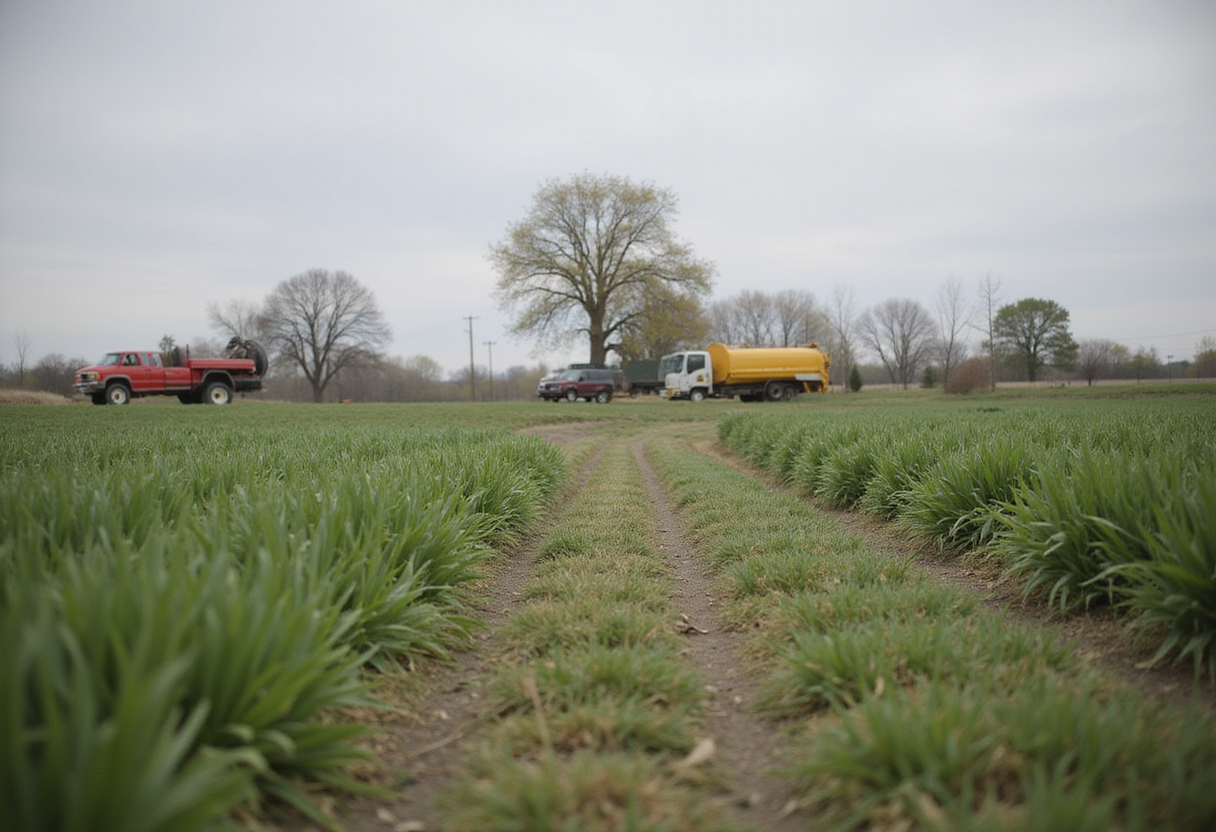
Duane Aistrope, a southwest Iowa farmer, booked 75% of his fall diesel requirements back in January — a decision he now counts as fortunate given what has happened to fuel markets since.
"Everybody knows what's happened since then," Aistrope told Brownfield Ag News. "That was kind of a good move."
His remaining exposure is on the over-the-road side. "I don't have any truck fuel, or clear fuel, for over the road. It's booked," he said, describing over-the-road diesel costs as adding up fast and reaching critical levels for his operation.
The distinction Aistrope draws matters for farm margin accounting. Off-road or "red" diesel used in tractors, combines and other farm machinery carries a federal excise tax exemption, which typically keeps per-gallon costs below those of clear, on-road fuel. When a grain operation runs its own trucks to elevators, ethanol plants or river terminals, that clear-diesel exposure is priced against the same retail over-the-road market that fleets and independent truckers face — and it moves with it.
For Aistrope, the January booking insulated the bulk of his fall fuel budget from the subsequent run-up. The truck fuel position, by contrast, is locked at levels he characterizes as critical, leaving his hauling costs exposed at a time when every per-bushel input matters.
The timing is worth noting. Fall in Iowa means harvest, and harvest is the most fuel-intensive stretch of the row-crop calendar. Combines, grain carts, dryers and trucks all draw heavily on diesel over a compressed window of weeks. A farmer who enters that window with most of his fuel priced has effectively converted one of the season's most volatile input line items into a known cost — the same logic that drives pre-season pricing of fertilizer and crop protection products.
Aistrope's 75% coverage level also reflects a common hedging discipline among Midwest growers: price a substantial majority of anticipated needs to protect against spikes, but leave a portion unpriced in case the market moves lower. His January execution on that strategy landed ahead of the price climb that followed.
What the booking does not protect against is volume risk. If harvest fuel consumption runs above plan — wetter corn requiring more drying, longer hauling distances, higher-than-expected yields moving more bushels — the uncovered portion must be bought at prevailing retail prices. Aistrope's stated concern about over-the-road costs suggests hauling is where that residual exposure is concentrated on his farm.
Fuel is rarely the largest input cost on a corn-and-soybean operation — fertilizer, seed, land and chemicals typically rank higher — but diesel for fieldwork and hauling is a cash cost that arrives in concentrated bursts around planting and harvest. When those bursts coincide with elevated retail prices, the effect shows up directly in per-acre cost of production and, ultimately, in the price a farmer needs to clear a margin on his crop.
Aistrope, who farms in southwest Iowa, did not specify in his comments the exact prices he booked or currently faces for clear diesel. His account is a condition report on input costs as he experiences them, not a survey-based measure of regional fuel prices. Growers in similar positions will be watching whether over-the-road diesel eases before the fall hauling season fully ramps up.
via Brownfield Ag News (Source)
More from Nathan Brooks
Show full bio
Staff writer covering marketplaces and e-commerce at Agribusiness Wire.
173 articles