Lot No. LOT-6393 · offered September 27, 2026
Agricultural PolicyLot sheet
Iowa Enacts Excise Tax Exemption for Ethanol Used in Farm Equipment
A new Iowa law exempts certain ethanol fuel used in farm equipment from the state excise tax, trimming per-gallon operating costs for growers statewide.
Market notes
- A new Iowa law exempts certain ethanol fuel used in farm equipment from the state excise tax.
- The exemption targets fuel burned in agricultural machinery rather than highway use.
- Implementation guidance on qualifying blends and purchase documentation is expected from state officials and Iowa Farm Bureau.
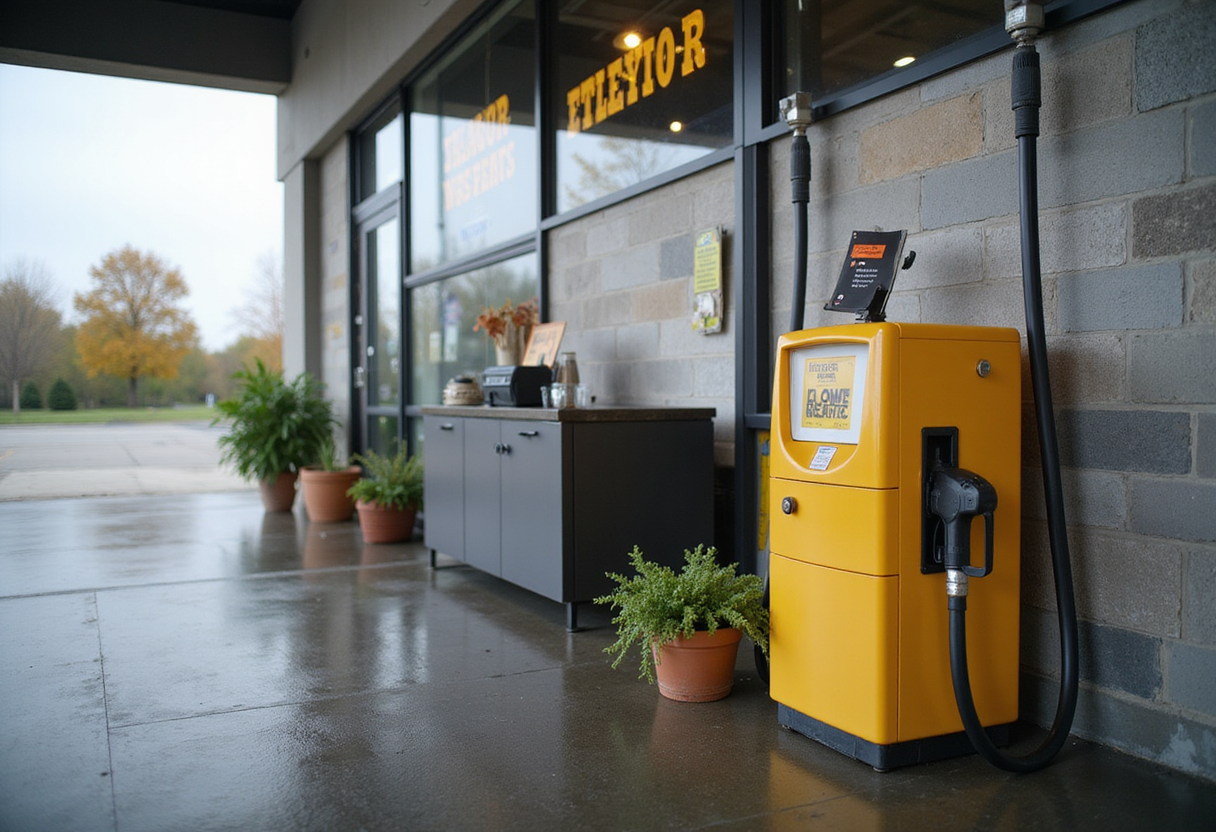
Iowa growers can now run certain ethanol-blended fuel in their tractors, combines and other farm machinery without paying the state excise tax that previously applied at the pump.
A new Iowa law exempts specific ethanol fuel used in farm equipment from the excise tax, Iowa Farm Bureau reports. The measure directly targets the cost side of the farm ledger: fuel ranks among the largest operating expenses for row-crop and livestock operations, and every cent of tax per gallon removed from on-farm fuel purchases flows straight into the margin between commodity revenue and input costs. The exemption applies specifically to ethanol fuel burned in agricultural machinery rather than to highway use, a distinction that matters for how growers purchase and document their fuel. Farmers who fill equipment tanks at retail locations or through bulk deliveries on the farm stand to benefit, provided the fuel qualifies under the statutory definition. Producers should confirm with their fuel supplier which blends fall inside the exemption before adjusting purchasing plans. For a typical corn-and-soybean operation, diesel has long dominated the fuel bill, but higher-blend ethanol products have gained traction as an on-farm option, particularly where cooperatives and local retailers stock them. Removing the excise tax narrows the price gap between ethanol blends and conventional fuel at the point of sale, which could shift procurement decisions for growers watching per-gallon costs. Iowa sits at the center of U.S. ethanol production, and state policymakers have repeatedly leaned on the industry to expand demand. A tax break aimed at farm equipment effectively turns the state's own agricultural sector into an additional demand pool for ethanol, alongside the conventional motor-fuel market. That demand-side logic pairs with the farm-level economics: when corn prices soften, any incremental outlet for ethanol supports basis and crush margins, while the tax exemption simultaneously trims growers' operating costs. The practical effect on any individual operation will depend on fuel volume. Large-acreage growers who burn thousands of gallons per season through tillage, planting, spraying and harvest will see the exemption compound across the year. Smaller operations and livestock producers running feed mixing, manure handling or grain drying equipment also fall within the law's scope, since the exemption covers farm equipment generally rather than a specific machine class. Growers and their accountants should track how the exemption interacts with existing fuel-tax refunds and agriculture-related credits already available in Iowa. Stacking the new exemption onto current refund mechanisms changes the effective per-gallon price calculation, and clean records of fuel purchases and equipment use will determine whether an operation captures the full benefit. Fuel retailers and cooperatives across Iowa will also need to adjust their systems to apply the exemption correctly at the point of sale, separating qualifying farm-equipment purchases from taxable highway fuel transactions. How quickly that administrative rollout happens will shape when growers actually see the savings show up on invoices. As implementation proceeds, expect Iowa Farm Bureau and state revenue officials to publish guidance spelling out which ethanol blends qualify and what documentation farmers need at purchase — details that will determine how much of the tax relief reaches the bottom line of the state's row-crop and livestock operations.
via Google News: Farm equipment (Source)
More from Nathan Brooks
Show full bio
Staff writer covering marketplaces and e-commerce at Agribusiness Wire.
173 articles
Also in the yard
- Indiana lawmaker pushes dyed diesel relief as harvest fuel costs surge
- Iowa Farmer Locks In Fall Diesel as Over-the-Road Fuel Costs Climb
- Farmers Face Higher Costs to Run Diesel-Powered Equipment
- Sen. Fischer Pushes Farm Bill Passage With Year-Round E15 Included
- Diesel at Record Highs Already Squeezing 2027 Crop Budgets