Offered
Crop EconomicsLot sheet
Illinois farm income projected low in 2026; year-end tax moves widen
Illinois farm income is projected below 2023 levels with yields off trend and costs higher, while permanent 100% bonus depreciation and $2.5 million expensing widen growers' year-end options.
Market notes
- Illinois net farm income has run below 2023 levels and is projected to stay lower in 2026, with state yields forecast below trend and costs higher.
- The 2025 OBBBA made 100% bonus depreciation and a $2.5 million expense election permanent at the federal level.
- Farmer's Bridge Assistance Program money and 2025 ARC/PLC payments count as 2026 taxable income.
- Payments attributable to the 2026 crop, including ECO, will not be known or received until spring or early summer 2027.
- The Illinois Farm Business Farm Management Association reports 4,900-plus member farms and 80-plus professional field staff.
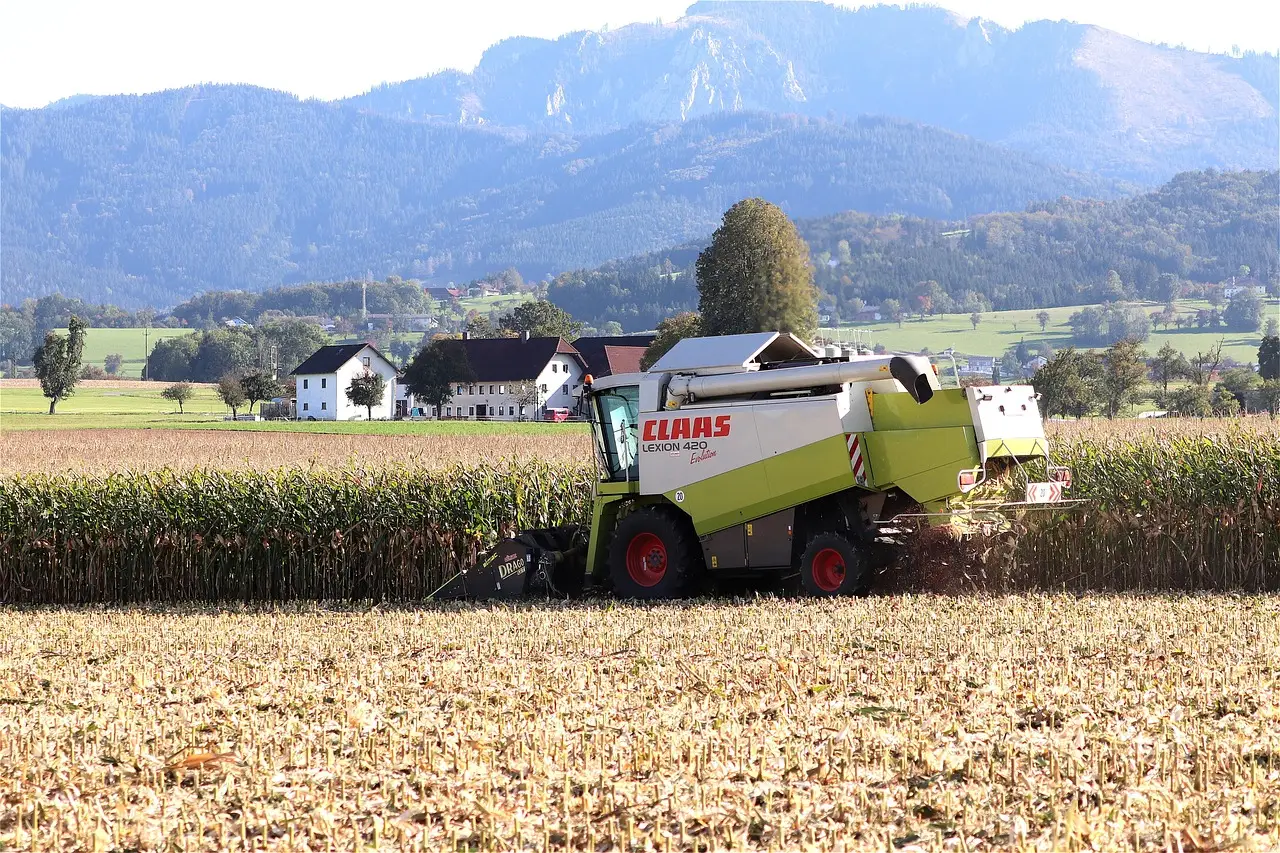
Illinois net farm income has been lower since 2023 and is projected to remain lower in 2026, and University of Illinois farmdoc daily analysis points to Illinois yield forecasts running below trend with north-to-south variability and production costs higher. For grain and livestock operations, that combination makes the timing of sales, contract elections and input purchases a bigger lever than many growers expect.
Most tax-planning advice is written for high-income years. The farmdoc analysis argues the opposite. "With lower incomes, strategic tax planning might be more valuable than when incomes are higher," it says. Actual 2026 results still depend on settled harvest numbers, not forecasts: final prices are not locked, and expense timing, farm type and prior-year crop insurance proceeds will push individual books up or down.
What did the 2025 tax law change?
The Working Families Tax Cut Act of 2025, also known as the One Big Beautiful Bill Act (OBBBA), enacted 100% bonus depreciation and a $2.5 million expense election at the federal level. It also made many 2017 Tax Cuts and Jobs Act items permanent, including tax brackets, the Qualified Business Income Deduction (QBID) and various credits.
Those elections reach only qualified property, and equipment must be available for service before year end. Federal detail and Illinois-specific results still need a preparer's review rather than an assumption.
How can a grower raise taxable income in 2026?
When records show this year's income below normal and next year's expected higher, the analysis lists these moves:
- Sell grain and livestock in 2026 rather than holding them into 2027.
- Elect out of the installment method on deferred payment contracts so the sale reports as 2026 income even though proceeds arrive in 2027.
- Initiate a Commodity Credit Corporation (CCC) loan before year end and elect to report the loan as income.
- Delay fall expenses — seed, fertilizer, lime, fuel — starting with purchases carrying no cash discount or minimal finance charges.
- Depreciate limestone and heavy fertilizer applications instead of deducting them in the current year.
- Collect custom work fees, rents and other amounts due before year end.
- Sell off-farm investments that carry a gain.
How can a grower lower taxable income in 2026?
Some farms face the opposite problem, with higher income from better yields, higher prices, lower input costs or deferred crop insurance proceeds from 2025. When this year's income looks stronger than next year's, the analysis suggests:
- Sign a deferred payment contract for grain or livestock marketed this year, locking sale terms while pushing proceeds into next year.
- Elect to defer reporting of crop insurance proceeds when a yield loss occurred, normal practice is to sell in the following year, and all qualifications are met.
- Buy operating inputs for next year — feed, seed, fuel, fertilizer, chemicals, supplies — with guidance in IRS Publication 225, The Farmers Tax Guide.
- Buy equipment and make large-dollar repairs this year; purchases must be available for service before year end to qualify for Section 179 expensing or bonus depreciation.
- Pay interest accrued through year end even if it is not due until next year. Prepaid interest, insurance and cash rent cannot be deducted.
- Establish a retirement plan if none exists: traditional IRA, Roth IRA, SEP IRA or SIMPLE IRA. The traditional, Roth and SEP can be set up as late as the tax return due date, and some plans require contributions for employees, so check with a financial advisor.
What needs to happen before the calendar year closes?
Start with complete and accurate records. Then list the income and expense items still open, take inventory of grain and livestock, price what is priced and set a value on what is not, and review last year's return so the file covers three tax years: prior, current and next. That estimate sets next year's liability.
2026 has quirks the file should capture now. Government payments must be included in 2026 taxable income, including the Farmer's Bridge Assistance Program and 2025 Agricultural Risk Coverage (ARC) and Price Loss Coverage (PLC) payments.
With lower yields and greater use of Enhanced Coverage Options (ECO), payments attributable to the 2026 crop will not be known or received until spring or early summer 2027. Machinery purchases ran lower in 2026 than in past years, per farmdoc's August 28, 2026 report on weak farm machinery demand, so depreciation should shrink, mainly through the expense election or bonus depreciation. Those remain estimates; final tax results depend on settled yields, contract prices and payment timing.
What happens when farm income turns negative?
Income that merely covers the standard deduction sits in what is effectively a $0 federal income tax bracket. Negative self-employment income carries three consequences: it does not carry forward to offset positive self-employment income in future years, it can cost deductions such as self-employed health insurance and retirement plan contributions, and it produces a QBID loss.
Growers should ask their preparer how each deduction and credit changes as income rises or falls, and how adding acres, accelerating debt repayment or retiring alters the strategy.
Who supplied the analysis?
The analysis draws on the Illinois Farm Business Farm Management (FBFM) Association, a not-for-profit serving all farm operators in Illinois with independent on-farm counsel, recordkeeping, farm financial management, business entity planning and income tax management. FBFM reports 4,900-plus member farms and 80-plus professional field staff — the association's own counts, not an independent audit. Its office sits on the University of Illinois campus, phone 217-333-8346, website fbfm.org.
Grain sales, CCC advances, deferred contracts and retirement plans all have to be set before December 31, and 2026-crop insurance and ARC/PLC money will not arrive until spring or early summer 2027, so the file for next spring's filing starts with this year's closing books.
via farmdocdaily.illinois.edu (Source)
More from Grace Kim
Show full bio
Correspondent covering people, launches and day-to-day practice in Agribusiness coverage for industry professionals at Agribusiness Wire.
554 articles
Also in the yard
- Grain Farm Earnings Fell in 2024; Livestock Margins Rose, farmdoc Says
- Farm Bill Stalls Over SNAP Fight as Illinois Counties Show Stakes
- ARC Beats PLC for 2026 Corn and Soybean Base, Illinois Economist Says
- Farm Bill Stalemate Drags On, Farmdoc Daily Warns of Risk
- 2026 ARC-IC Decision: Who Should Pick the Whole-Farm Option by December 11