Lot No. LOT-4290 · offered November 18, 2026
Crop EconomicsLot sheet
Homegrown Organic Farms Eyes 2027 Organic Expansion and New Fruit Genetics
Stephen Paul of Homegrown Organic Farms lays out plans for organic expansion and new berry genetics through 2027, plus his case for skilled labor and secondary-grade marketing.
Market notes
- Homegrown Organic Farms plans continued organic program expansion through 2027
- The company is evaluating new fruit genetics, especially berries with improved flavor, sweetness and texture
- Homegrown markets Little Pranksters kiwi berries and is growing figs, persimmons and pomegranates
- The company is exploring partnerships with additional growers in the southeastern United States
- Homegrown invests in workforce development through the Equitable Food Initiative
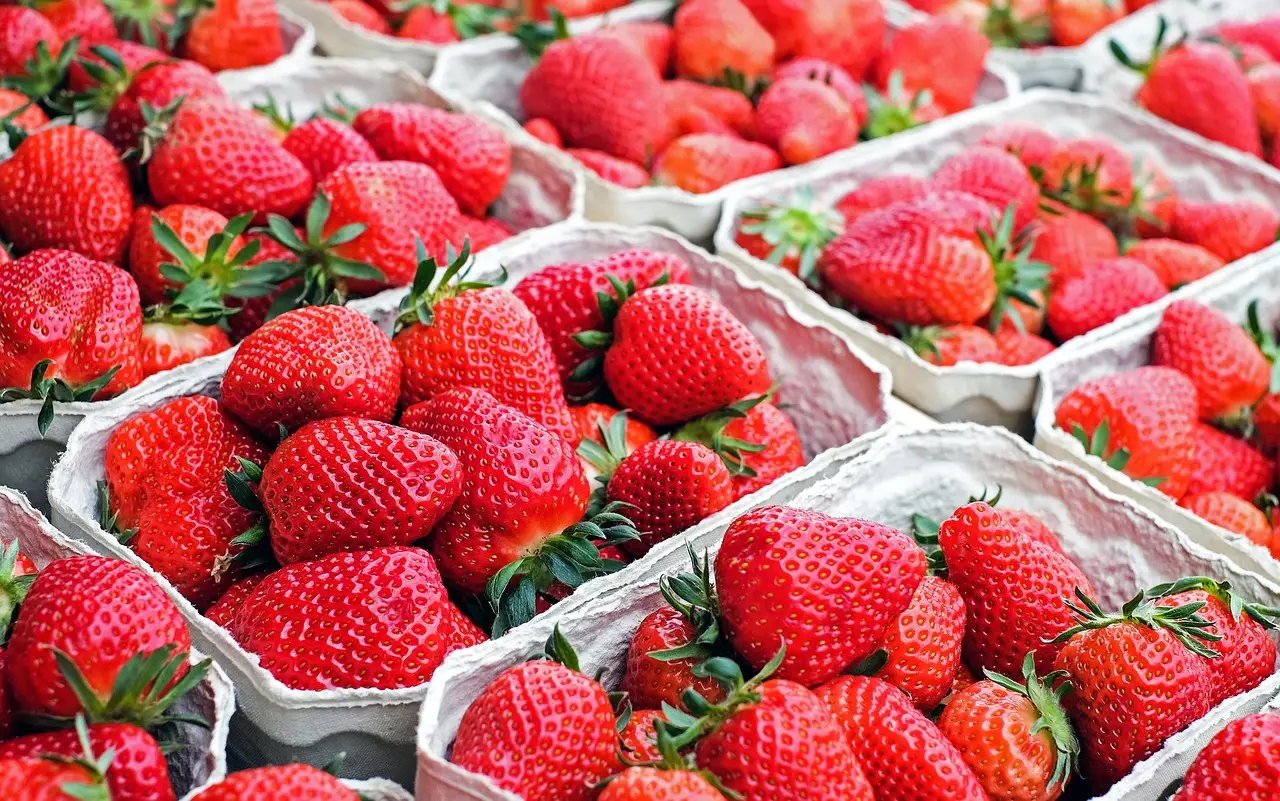
California organic grower-shipper Homegrown Organic Farms is planning continued expansion of its organic programs through 2027, with new fruit genetics — particularly berries bred for improved flavor, sweetness, texture and consistency — at the center of the roadmap. Stephen Paul, speaking with Nick Papagni on Part 2 of the AgNet News Hour, laid out the company's thinking on labor, technology, food waste and specialty produce.
What does this change for young growers?
Paul's biggest concern is generational. Rising land prices, regulatory expenses and production costs are stacking barriers against young people who want to farm. Many interested entrants simply can't afford the door.
His answer is communication plus careers. Agriculture, he said, must do a better job telling the next generation what opportunities exist — especially as robotics, automation, data management and precision agriculture open roles that didn't exist a decade ago. The industry isn't just hiring field hands anymore. It's hiring operators and analysts.
Can AI fix production decisions? Not by itself
Paul urged caution on artificial intelligence. AI-driven recommendations are only as reliable as the underlying data, he said, and farmers should evaluate every new system rather than assume it will automatically lift yields. Garbage in, garbage out — the agronomic version.
On pest management, he framed the economics plainly: proactive farming pays. That means:
- regular soil testing
- routine crop monitoring
- insect trapping
- close work with experienced agronomists
The goal is catching problems before they become costly. A trapped moth in April is cheaper than a ruined block in August.
Why skilled labor still matters
Despite automation advances, Paul argued skilled agricultural workers remain essential. Through the Equitable Food Initiative, Homegrown Organic Farms invests in workforce development, employee involvement and consistent harvesting practices. Experienced hands matter most on delicate produce that must clear strict quality standards — the difference between a marketable pack and a cull.
Food waste as a margin play
Paul questioned why more isn't done to market produce that fails premium cosmetic standards but is perfectly edible. Better promotion of secondary grades, he suggested, could help growers recover production costs while making nutritious food more affordable for consumers. It's a two-sided argument: farm margin on one side, food access on the other.
Kiwi berries and the specialty push
Homegrown is expanding its specialty produce line, led by its Little Pranksters kiwi berries. Paul called the bite-sized fruit a growing opportunity and credited social media, recipes and consumer education with introducing shoppers to lesser-known commodities such as figs, persimmons and pomegranates. New varieties don't sell themselves — they need a story and a use case.
The company is also evaluating opportunities to partner with additional growers in the southeastern United States, extending sourcing beyond its California base.
The bigger picture
Paul closed with a message that went beyond production numbers. The future of agriculture, he said, depends on growers, marketers and agricultural organizations working together to tell farming's story — and helping consumers understand the people behind their food.
With organic expansion, new berry genetics and southeastern grower partnerships on the table for 2027 and beyond, Homegrown is betting that story gets easier to tell when the product — and the workforce behind it — keeps improving.
via agnetwest.com (Source)
More from Nathan Brooks
Show full bio
Staff writer covering regulation, policy and their impact on Agribusiness coverage for industry professionals at Agribusiness Wire.
591 articles
Also in the yard
- House Bill Targets Farm AI Gap as 75% of Farmers Skip the Technology
- 64% of Americans Say AI Is Moving Too Fast — and Farm Data Is the New Battleground
- AI Tools Spread Across U.S. Farms, but Grower Skepticism Persists
- AI Pushes Precision Agriculture Toward Plant-Level Management
- 52 Years on the Land: Steve Pitttick Bets Early on AI