Lot No. LOT-1262 · offered September 26, 2026
Farm MachineryLot sheet
Global Surge in Used Farm Equipment Reshapes U.S. Grower Buying
A global surge in used farm equipment is reshaping the buying landscape for U.S. growers, AgWeb reports, pressuring used values and opening new leverage for machinery buyers.
Market notes
- A global surge in used farm equipment supply is reshaping the buying landscape for U.S. growers, AgWeb reports.
- Rising used machinery volumes pressure trade-in values and give buyers leverage at dealers and auctions.
- The shift affects machinery budgets — one of the largest cost items on farms after land and inputs.
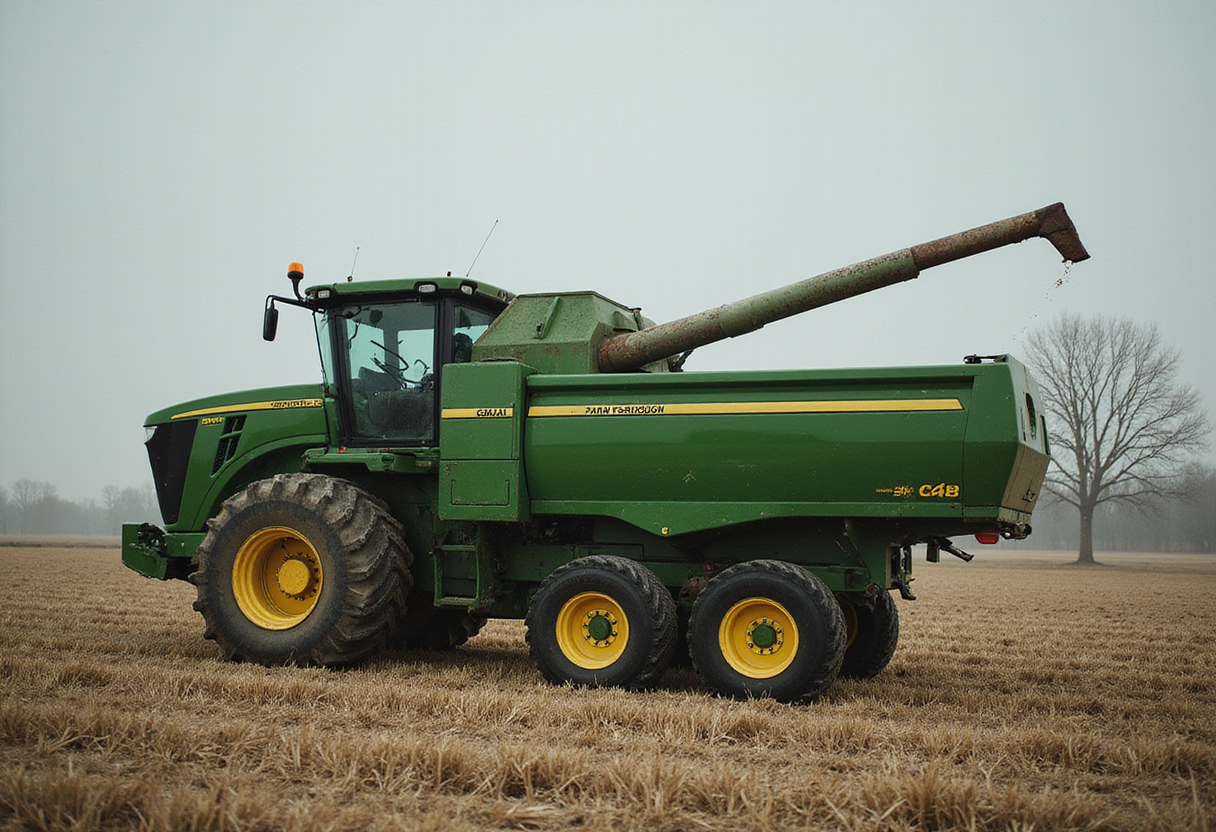
A global surge in used farm equipment is reshaping the buying landscape for U.S. growers, according to a report from AgWeb — a shift with direct consequences for machinery budgets at a time when farmers are already weighing capital spending against tight operating margins.
The headline development is the volume of secondhand machinery now moving through international and domestic channels. For growers, used equipment inventories function as a pricing counterweight to new machinery: when used supply swells, dealers discount, and the effective cost of replacing a tractor, combine, or planter drops. When used supply tightens, farmers either pay up for new iron or stretch the life of an aging fleet.
The dynamics matter because machinery is typically one of the largest line items on a farm's cost structure after land and inputs. Decisions about whether to trade, buy used, or defer replacement ripple into cash flow, depreciation schedules, and financing needs. A grower who buys a late-model used combine instead of a new unit can free up several hundred thousand dollars — capital that can instead cover seed, crop protection, and land payments during a margin squeeze.
The international dimension is central to the current shift. Used equipment flows across borders in response to currency movements, regional farm income, and dealer trade-in cycles abroad. Surges in used machinery arriving on the market — whether from fleet turnover in other producing regions or from softening demand among overseas buyers — add supply that U.S. dealers and auction houses must price. American farmers sit at the end of that chain, and the result shows up at auction blocks, dealer lots, and online bidding platforms.
For buyers, the practical questions are the same ones lenders and appraisers ask. How many hours are on the machine? What is its service history? Does the model year still align with current precision-ag technology — guidance, rate controllers, and telemetry that newer units carry and older ones may lack? A cheap used tractor that cannot integrate with a farm's existing data ecosystem can cost more in efficiency than it saves on the purchase price.
For sellers and dealers, a surge in used supply cuts the other way. Trade-in values soften, which raises the effective cost of stepping up to new equipment even when list prices hold steady. Dealers carrying heavy used inventory typically become more aggressive on financing terms and warranties to move stock — a lever growers can use in negotiations.
The report frames the used-equipment surge as a structural change in how U.S. growers buy machinery rather than a temporary blip. Growers planning machinery purchases in the coming seasons will be watching auction results, used inventory counts, and dealer discounting as closely as they watch input prices — signals that will shape whether the current buyer-friendly conditions hold.
via Google News: Farm equipment (Source)
More from Marcus Bennett
Show full bio
Senior reporter covering marketplaces and e-commerce at Agribusiness Wire.
127 articles