Lot No. LOT-2482 · offered September 29, 2026
Farm MachineryLot sheet
Used Farm Equipment Prices Split as Technology Lifts Late-Model Values
Used farm equipment prices are splitting into two tiers, agriculture.com reports: technology-equipped late-model machines hold value while older low-tech units face thin demand and softer bids.
Market notes
- Used farm equipment prices are diverging by vintage and technology content, agriculture.com reports.
- Late-model machines with integrated precision-ag systems hold value; older low-tech units face weaker demand.
- Technology content, not just age and hours, is now the decisive variable in used equipment valuation.
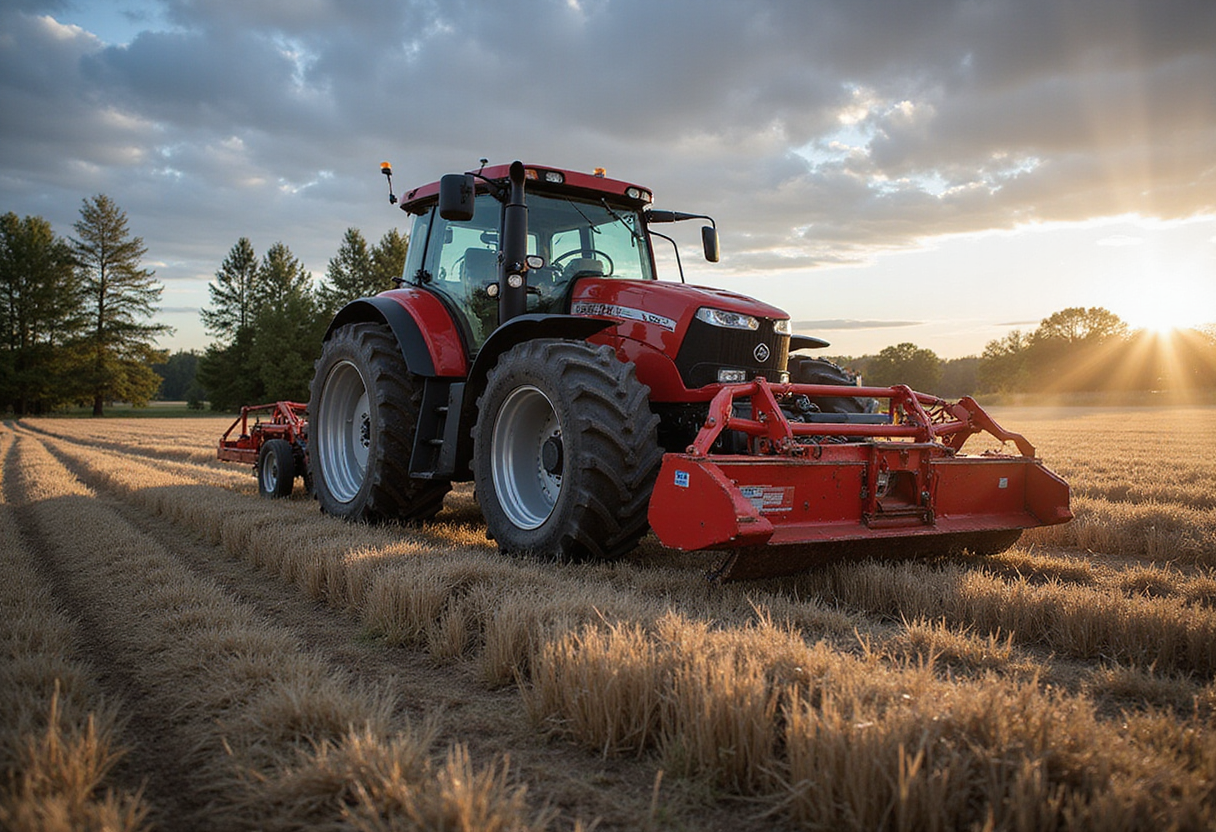
The used farm equipment market has fractured into two distinct tiers, with technology content now the decisive factor separating late-model machinery values from aging units, agriculture.com reports.
The headline finding from the report is straightforward: used equipment prices are moving in opposite directions depending on the machine's vintage and its onboard technology. Late-model tractors, combines and implements equipped with precision-ag systems — guidance, autosteer, section control and telemetry — are holding value or commanding premiums on dealer lots. Older, low-tech units are sliding, and in some segments sliding hard.
That split marks a break from the traditional depreciation curve. For decades, a 10-year-old tractor traded at a predictable discount to a new unit, and condition plus hours were the main variables. Now buyers are pricing the electronics package as much as the iron. A late-model machine with an up-to-date display, receiver and factory-integrated guidance retains resale strength because the next operator can plug it into an existing data workflow without a retrofit. A clean older tractor without those components faces a thinner buyer pool and softer bids.
The dynamic has practical consequences for farm margins. Producers shopping used iron to cap capital outlays — a common strategy when cash rents and input costs stay elevated — increasingly face a choice: pay closer-to-new money for technology-equipped late-model units, or accept a discount machine that may require retrofit spending to meet the data and documentation demands of crop insurance reporting, input prescription work and landlord expectations.
For dealers, the two-tier market complicates inventory management. Trade-ins of well-optioned recent models turn quickly and support used-equipment margins. Older units without technology content sit longer, tie up floor-plan credit and pressure dealers toward wholesale channels or auction, which further depresses that segment's price benchmark.
The report positions technology as the driver rather than simple age. Two machines built a few model years apart can trade at sharply different levels if one carries integrated precision systems and the other does not. That gap matters for growers calculating total cost of ownership: a higher purchase price on a tech-equipped used unit can be partially recovered at trade-in, while the discount on a low-tech unit may effectively be permanent depreciation.
The trend also feeds back into the new-equipment market. Manufacturers pushing factory-fit precision packages can argue the options protect residual value; lenders and lease underwriters pricing residuals on used collateral now have to model technology content as a variable distinct from age and hours.
Growers weighing trades this season should read used-price reports with the split in mind. Aggregate used-price indices can mask the divergence: an index blending late-model and older units may look stable while both tiers move sharply in opposite directions. Auction results and dealer asking prices for a specific model and trim — including display, receiver and guidance configuration — are the better gauge of what a given machine is worth.
Going forward, the report's framing suggests the premium for technology-equipped late-model used equipment will persist as precision-ag adoption deepens, while the discount tier widens as more low-tech units reach the market with fewer eligible buyers behind them.
via Google News: Farm equipment (Source)
More from Marcus Bennett
Show full bio
Senior reporter covering marketplaces and e-commerce at Agribusiness Wire.
127 articles