Lot No. LOT-1372 · offered November 12, 2026
Crop EconomicsLot sheet
Gila River Hit 25.3 Feet, 2 Feet Above Flood Stage, as Rains Stall Arizona Harvest
The Gila River crested at 25.3 feet near Solomon, Arizona, more than 2 feet above major flood stage, as late-October storms delayed harvest across Arizona and New Mexico.
Market notes
- Gila River crested at 25.3 feet near Solomon, Arizona — over 2 feet above major flood stage, in late October.
- Heavy rains in central Arizona and New Mexico delayed harvest and interrupted field activity.
- Local reports documented rot, fiber discoloration and yield loss in mature cotton from high-velocity runoff.
- Nearly 100% of water flowing from higher elevations in Arizona and New Mexico is dammed and accounted for.
- El Niño is expected to peak in November and phase out slowly through winter.
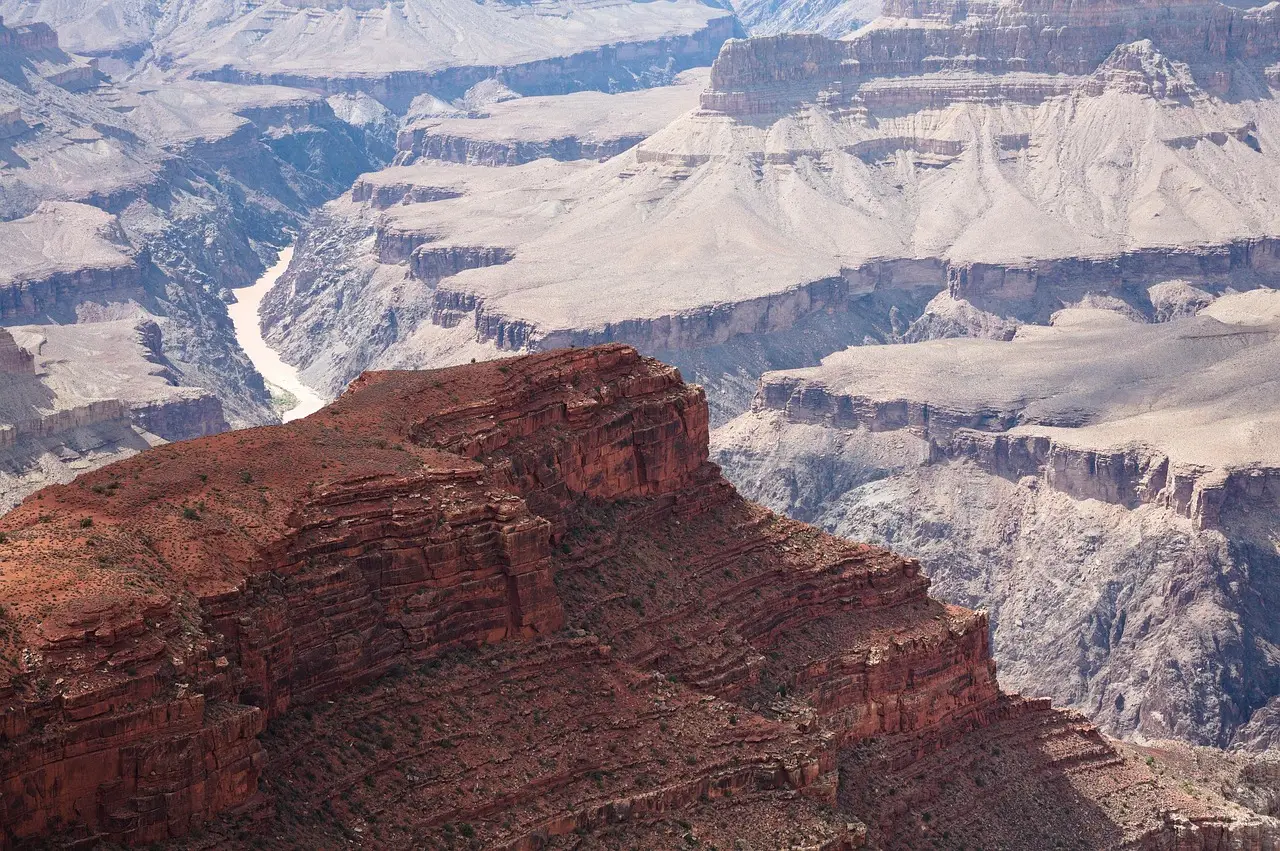
The Gila River crested at 25.3 feet near Solomon in Arizona's Safford Valley during the last week of October — more than 2 feet above major flood stage — as heavy rains across central Arizona and New Mexico delayed harvest and halted fieldwork.
In several locations, a year's worth of rain swept through grazing land, farms and homes within days. Roadways and bridges washed out, disrupting transportation across the Four Corners region, the flood plain that supplies irrigation water for farming in six Western states.
What did the flood do to crops?
Local reports from the Safford Valley documented damage to mature cotton from high-velocity runoff, along with standing water in fields adjacent to the river. The excess moisture caused rot, fiber discoloration and yield loss in open bolls.
For growers, the timing compounds the loss: cotton hit by floodwater at maturity cannot recover fiber quality, and discoloration directly discounts the price a module commands at the gin.
The damage concentrated above the dams. Lakes and flood-control reservoirs on the Salt and Gila rivers performed as designed, holding back floodwater and protecting the most productive agricultural areas downstream — including Pinal County, historically a major user of Gila River flows.
How bad was it above the dams?
Water wreaked havoc on farms and rural communities at higher elevations upstream. On the Colorado Plateau, fast-moving runoff carved through the high-country gullies before any structure could capture it.
The Santa Cruz River, which runs east of Tucson, also carried fast-moving water. When it floods, the river isolates rural residents between the Phoenix and Tucson metro areas — in past events, a week could pass before groceries arrived, unless supplies were flown in.
By the time reporters reached the Gila riverbed after the storms, local runoff had receded to ankle depth, leaving only the shiny patina of not-yet-dry mud flats as evidence of the surge.
Is the water being captured?
The most common public reaction on social media was, "I hope they're saving that water!" The answer, by and large, is that the system already does.
Nearly 100% of the water flowing down from higher elevations in Arizona and New Mexico is accounted for and dammed along every major tributary, according to observers familiar with the region's waterways. That accounting is precisely why the damage mapped so unevenly: below the dams, central Arizona farmers escaped largely unscathed; above them, communities absorbed the full force of the runoff.
In the West, water remains welcome — except when it arrives all at once.
What comes next?
Climate experts previously noted that El Niño would peak in November and phase out slowly through winter. If that pattern holds, it could bring gradual relief from the extended drought gripping the region — moisture delivered at a rate the reservoirs can absorb rather than a flood the high country cannot.
via Farm Progress (Source)
More from Rebecca Stone
Show full bio
Market editor covering people, launches and day-to-day practice in Agribusiness coverage for industry professionals at Agribusiness Wire.
490 articles
Also in the yard
- Drought Monitor: Arkansas Posts 8-16 Inch Deficits as Four Corners Soaks
- Southwest Colorado Drought Persists as Farm Bill Deadline Nears
- Hurricane Rachel's Remnants Bring 11 Inches of Snow, Drought Relief
- Plains Cotton Growers Submit Farm Bill Recommendations to Policymakers
- Texas-Oklahoma Storm Delivers 6-8 Inches, Trims Drought; Deep South Dries Out