Lot No. LOT-1041 · offered September 29, 2026
Agricultural PolicyLot sheet
Plains Cotton Growers Submit Farm Bill Recommendations to Policymakers
Plains Cotton Growers has submitted Farm Bill recommendations to lawmakers, pressing the Texas High Plains cotton sector's case on reference prices, insurance and the safety net.
Market notes
- Plains Cotton Growers submitted formal input on the next Farm Bill.
- The group represents cotton producers across the 41-county Texas High Plains region, the largest contiguous U.S. cotton belt.
- Cotton's safety net currently rests on the seed cotton program, marketing loan and Stacked Income Protection Plan.
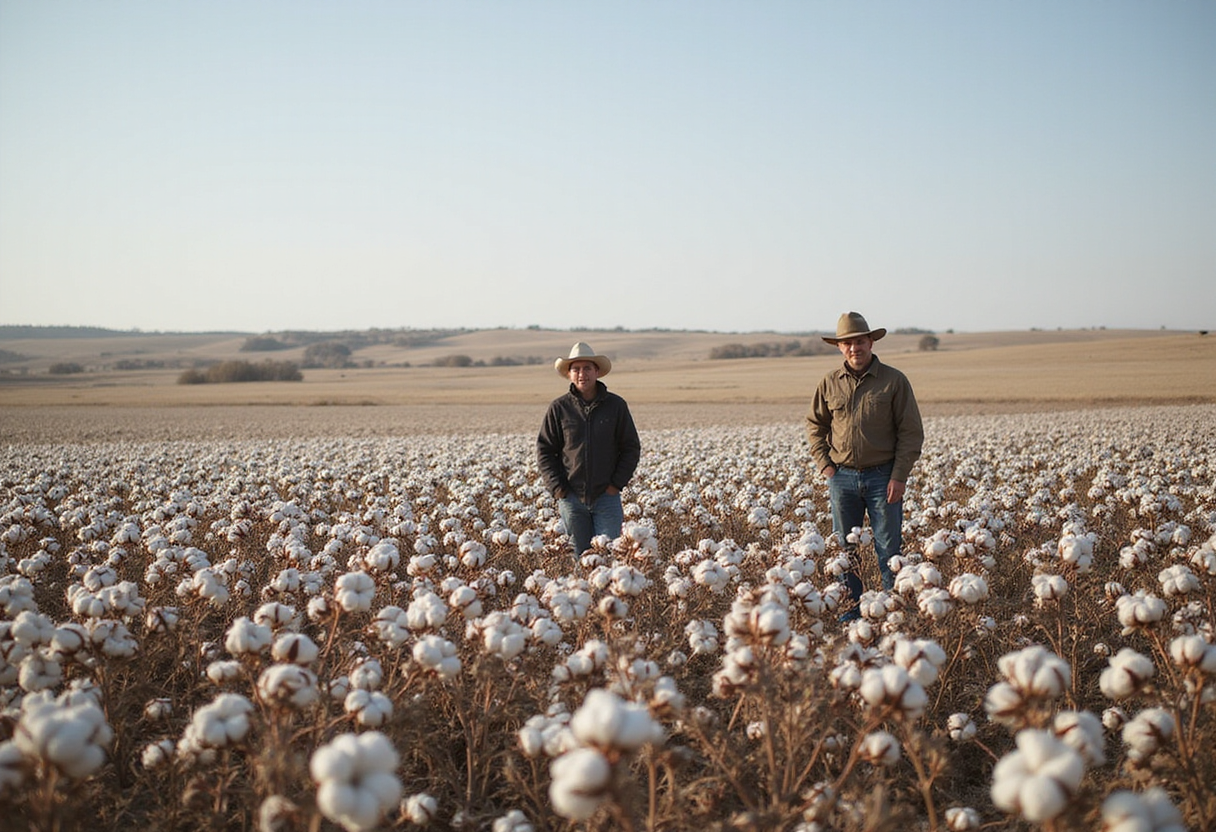
Plains Cotton Growers has delivered formal input on the next Farm Bill, putting the Texas High Plains cotton sector's priorities directly in front of lawmakers as reauthorization talks continue.
The organization, which represents cotton producers across the 41-county High Plains region of Texas — the largest contiguous cotton-producing belt in the United States — submitted its recommendations as Congress works to replace the 2018 Farm Bill, which has been operating on short-term extensions.
For growers in the region, the stakes are straightforward. Farm Bill programs set the reference prices, loan rates and insurance tools that determine how much downside protection a cotton operation carries into a season. With input costs for seed, fertilizer, fuel and crop protection remaining elevated relative to the price levels those programs were calibrated to, producer groups across the country have argued the current safety net no longer reflects the cost of production.
Plains Cotton Growers' submission adds the High Plains perspective to that broader producer push. The region's growers face a distinctive risk profile: tight irrigation water supplies, volatile weather and a heavy dependence on cotton as the base cash crop, which concentrates exposure to a single commodity's price and policy framework.
Cotton was removed from the Title I commodity title following the 2014 Farm Bill and returned with the seed cotton program in the 2018 legislation. Since then, the sector's principal Farm Bill levers have been the seed cotton reference price, the marketing loan and the Stacked Income Protection Plan, the insurance product designed specifically for cotton. Any adjustment to those mechanisms — through reference price updates, improved insurance coverage levels or loan rate changes — flows directly into planting decisions and cash-flow planning for the region's operations.
Producer input of this kind typically lands with the House and Senate Agriculture Committees, which hold the pen on commodity title design. Farm and commodity groups across sectors have spent the current reauthorization cycle pressing for higher reference prices across commodities, expanded access to risk management tools and protection of existing program funding against budget pressure.
The timing matters for the High Plains belt. Farm Bill uncertainty compounds the planning challenges growers already face in locking in input purchases and financing for the next crop. Lenders and producers alike price the strength of the federal safety net into operating credit, so signals from Washington about reference price levels and insurance subsidies carry real weight in loan conversations well before a bill is signed.
Plains Cotton Growers has a long track record of policy engagement on behalf of the region's producers, and its Farm Bill positions are drawn from member input gathered across its service area. The group's recommendations join submissions from other commodity organizations, farm bureaus and cooperatives that lawmakers weigh as they draft the next authorization.
What comes next depends on the Agriculture Committees. Producers in the High Plains will be watching for whether the next bill's commodity title moves reference prices and insurance provisions far enough to close the gap between support levels and today's production costs — the central question Plains Cotton Growers' input is designed to answer.
via Google News: Farm bill and ag policy (Source)
More from Nathan Brooks
Show full bio
Staff writer covering marketplaces and e-commerce at Agribusiness Wire.
173 articles