Lot No. LOT-8302 · offered November 16, 2026
Crop EconomicsLot sheet
Georgia Peanut Harvest Hits 80% as Leaf Spot and Frost Cut Yields
Georgia is 80% harvested in peanuts, but leaf spot, burrow bugs and an early frost threat have pushed yields below expectations across the Southeast.
Market notes
- Georgia's peanut harvest is approximately 80% complete, per UGA Extension.
- Florida peanut yields are down about 1,000 pounds per acre, with grades in the upper 60s instead of the 70s.
- Leaf spot infestations were the worst Florida growers had seen, and no fungicide used this year controlled it.
- Segregation 2 (about 10% foreign material) and segregation 3 (visible mold) lots have increased slightly versus prior years.
- An earlier-than-usual frost threatens the remaining Georgia crop and could hurt average yields or condemn some peanuts.
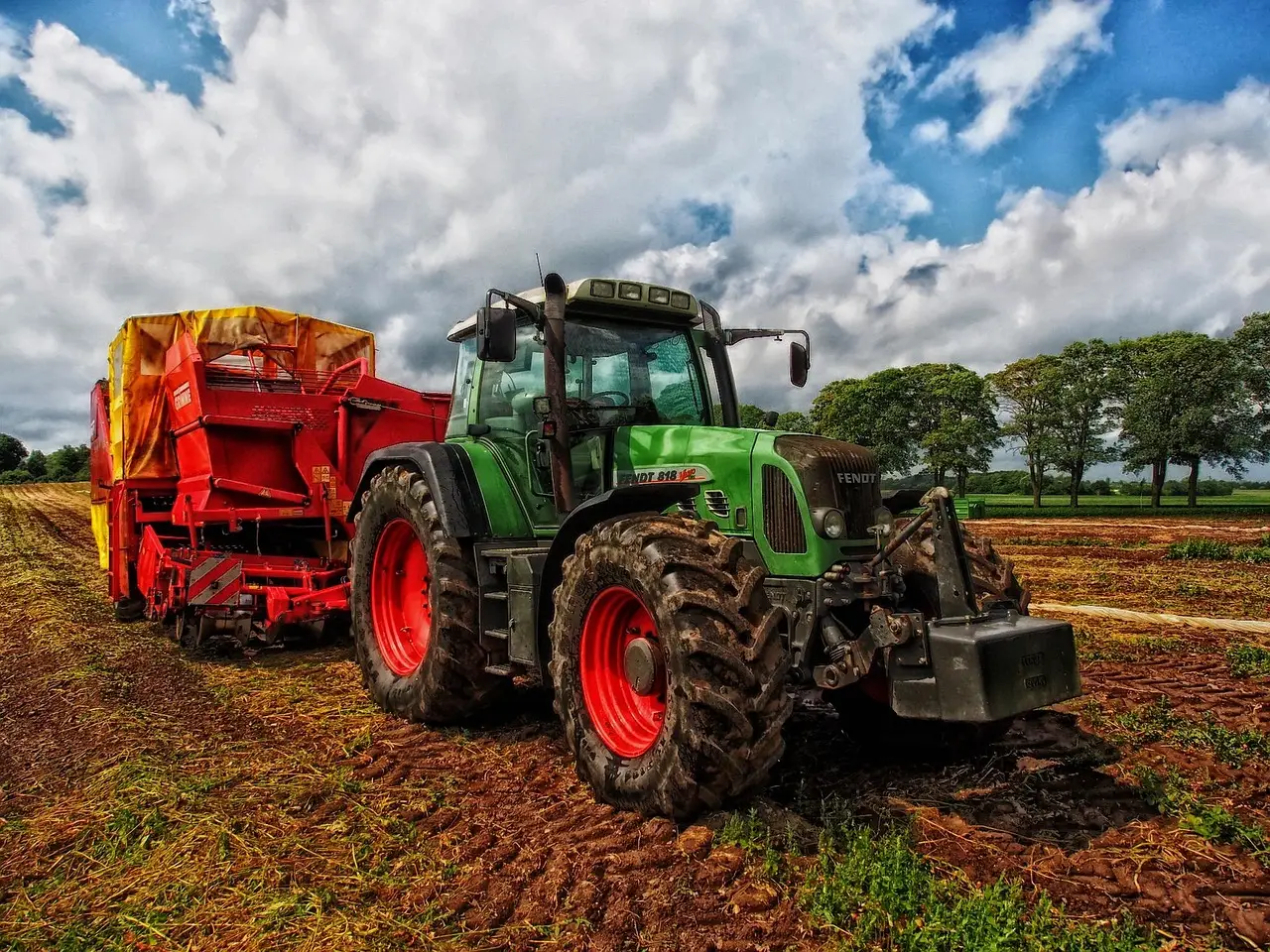
Georgia growers have dug roughly 80% of the state's peanut crop, the University of Georgia Extension Service reports, but yields are running below expectations across the tri-state production region as leaf spot disease, burrow bugs and an early frost threat compress margins heading into the final weeks of harvest.
How much of the crop is out of the field?
The Extension Service puts Georgia's peanut harvest at approximately 80% complete, according to Tyron Spearman's audio report for Southeast AgNet dated November 16. Maturity has slowed considerably over the past few weeks. Extension personnel attribute the slowdown mainly to cooler overnight temperatures, which have held back pods still in the ground.
The bottom line: four-fifths of Georgia's peanuts are harvested, and the remainder faces rising weather risk.
Why are yields below expectations?
Extension reports point to two drivers. First, adverse weather conditions earlier in the year stressed the crop during critical development stages. Second, a heavy infestation of leaf spot arrived later in the growing period and damaged the canopy before digging.
Quality indicators have slipped as well. Growers are seeing a slight increase in segregation 2 lots — peanuts carrying about 10% foreign material — and segregation 3 peanuts, those showing visible mold. That marks a reversal from the past couple of years, when very few lots fell into those penalty categories. Segregated loads typically dock farm-gate returns, so the quality shift compounds the yield shortfall for affected growers.
What pests and weather threaten the remaining crop?
Hot, dry conditions and burrow bugs have surfaced in some fields in the eastern part of Georgia. Burrow bugs feed directly on developing kernels, and their damage can push loads into segregated grades at buying points.
Frost is the other pressing concern. Extension personnel note that colder temperatures and the potential for frost are expected, and this frost threat has arrived earlier than usual. Growers are working through special conditions to make sure peanuts are not exposed to frost before digging and inversion are complete. An early frost could hurt the average yield and condemn some peanuts outright, removing marketable supply from what remains in the field.
How bad is the situation in Florida?
Florida's numbers quantify what Georgia's condition reports describe. Florida producers report yields down about 1,000 pounds per acre. Grades have fallen into the upper 60s, below the 70s range where growers make more money on the price-support formula.
Leaf spot is the worst Florida growers have experienced, and the report is blunt on the chemistry: no fungicide they used this year controlled it. That failure of spray programs across available products signals the season's most consequential agronomic development in the tri-state area — Georgia, Florida and Alabama — where disease control costs rose even as output and quality fell.
What does this mean for growers' margins?
The season's arithmetic is unfavorable on three lines at once: fewer pounds per acre, lower grades that trigger lower loan rates, and more segregation 2 and segregation 3 loads carrying price penalties. Input spend on fungicide programs, particularly in Florida, did not deliver control, raising cost per ton harvested.
With 20% of Georgia's crop still in the ground and an early frost possible, the final average yield figures remain exposed to downside. Harvested results to date are condition reports and partial tallies, not final USDA-grade summaries, and full-season yields and grade data will firm up as the remaining acres are dug and sold. Extension personnel will continue monitoring frost conditions as the harvest window narrows.
via southeastagnet.com (Source)
More from Grace Kim
Show full bio
Correspondent covering people, launches and day-to-day practice in Agribusiness coverage for industry professionals at Agribusiness Wire.
523 articles
Also in the yard
- U.S. Peanut Output Falls 31% as Drought Cuts Southeast Yields
- USDA Report: Peanut Stocks Up 17.2% as Usage Lags Across Categories
- Michigan Corn, Soybeans Lag Averages but Look Better Than Expected
- UGA Spotlights Researchers Driving Precision Agriculture Work
- UGA's IIPA Forms Industry Advisory Board to Link Research, Growers