Lot No. LOT-8990 · offered September 29, 2026
Precision Agriculture & AgTechLot sheet
UGA Spotlights Researchers Driving Precision Agriculture Work
UGA introduces the researchers behind its precision agriculture program, a group the university says is shaping data-driven farming work for the state's growers.
Market notes
- The University of Georgia published a profile of its precision agriculture researchers titled "Meet the experts seeding the future of precision agriculture research at UGA."
- The distributed feed contained only the headline and byline, with no acreage, yield, funding, or trial-result figures to verify.
- The feature introduces personnel rather than reporting harvested research results, so substantive trial data should await future publications.
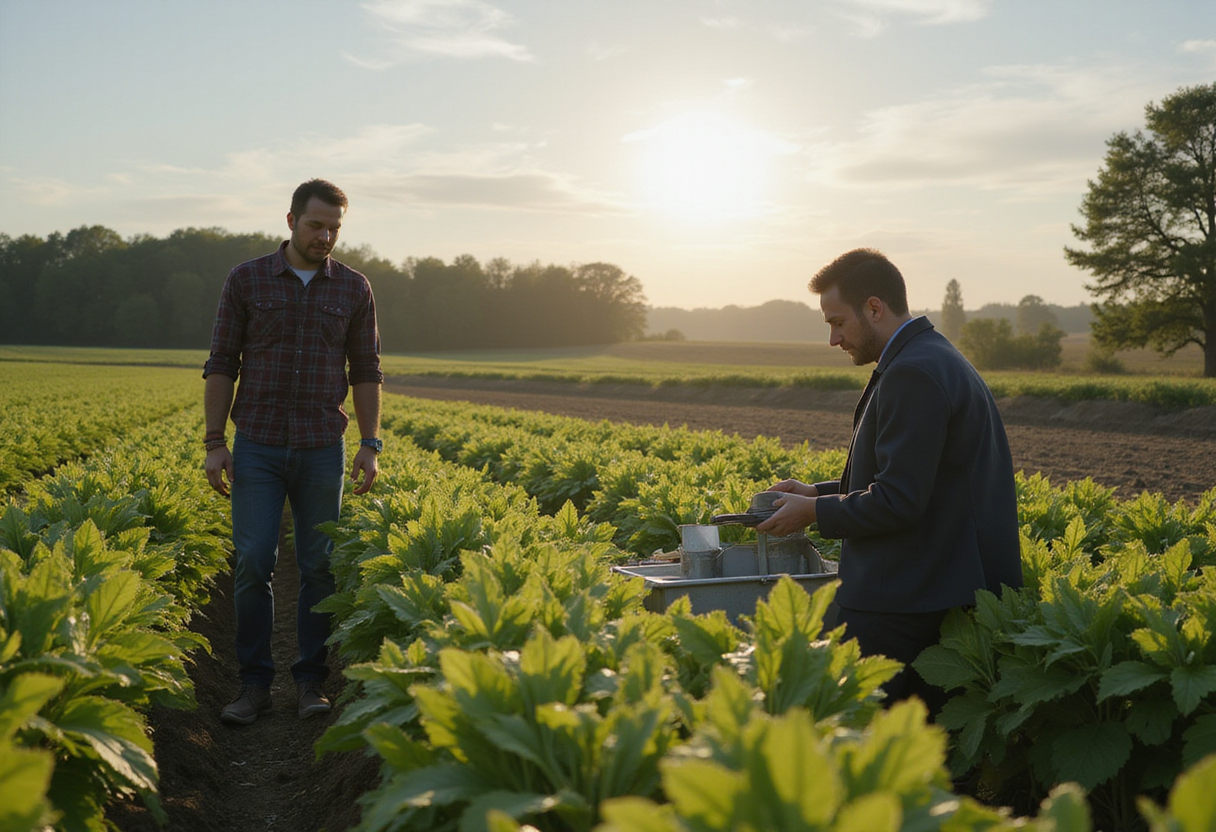
The University of Georgia has published a profile feature introducing the researchers it counts among the leading figures in its precision agriculture program, a group the institution says is shaping the next phase of data-driven farming research in the state.
The article, titled "Meet the experts seeding the future of precision agriculture research at UGA," circulated through the university's news channel on Monday. The publication itself serves as an institutional introduction rather than a results release: it names the scientists involved and frames their work, but the news feed distributed only the headline and byline, not the underlying figures, grant amounts, or project milestones that typically accompany a research announcement.
That distinction matters for readers tracking land-grant research as an input-cost variable. Precision agriculture programs at major public universities directly affect how Southeastern growers calibrate fertilizer, seed, irrigation, and equipment spending. Variable-rate application, sensor-based scouting, and automation research flowing out of institutions like UGA typically aims to trim per-acre input use without sacrificing yield — margin levers that have grown sharper as commodity prices have compressed input budgets.
For Georgia specifically, the stakes run through the state's signature row-crop and specialty-crop mix. Cotton, peanuts, corn, and poultry dominate the conventional acreage picture, while the state's fruit and vegetable sectors operate on tighter agronomic margins where labor and water management decisions carry outsized weight. University-led precision work historically targets exactly those decision points: when to irrigate, where to apply inputs, and how to mechanize tasks that labor shortages have made expensive.
The profile format also signals how the university positions its research portfolio publicly. By introducing individual experts rather than reporting harvested results, UGA is building continuity between its research faculty and the grower, extension, and agribress audience that follows variety trials, input trials, and extension bulletins. Growers evaluating whether to adopt a new practice generally want condition-report rigor: field-level data, replicated trials, and clearly stated reporting windows separating forecast from harvested outcome. A personnel feature cannot substitute for that, but it identifies whose trial data will appear in future extension publications.
Readers should also note the verification limits of this item. The distributed feed contained no survey methodology, no acreage counts, no yield comparisons, and no funding figures, so any numbers associated with the researchers' work should await the full article or the primary research publications behind it. Company announcements and university press offices alike benefit from the same scrutiny: a named program is not a measured result.
What follows from here is the substantive question for Georgia growers and agribusiness: which specific trials these researchers will publish in the coming season, and whether the results hold up under field conditions across the state's variable soils and climate. The university's profile invites that follow-up, and the next round of data will determine whether the program's promise converts into documented per-acre savings or yield gains.
via Google News: Precision agriculture (Source)
More from Grace Kim
Show full bio
Correspondent covering industry trends and analytics at Agribusiness Wire.
159 articles
Also in the yard
- UGA's IIPA Forms Industry Advisory Board to Link Research, Growers
- OSU Ph.D. Student Wins Global Fellowship to Push Precision Agriculture
- University of Georgia Precision Ag Institute Funds Six New Seed Grants
- Precision Agriculture Takes Center Stage in Northwest Iowa
- University of Wyoming Sets Field Day on New Research, Precision Ag