Lot No. LOT-4257 · offered November 16, 2026
Agricultural PolicyLot sheet
Georgia Cotton Commission Seeks Assessment Cap Hike to $1.50 Per Bale
Georgia Cotton Commission board unanimously proposes a stair-step assessment hike to $1.50 per bale, citing potential National Cotton Council dues increases. Growers vote in a February–March referendum.
Market notes
- Proposed assessment ceiling of $1.50 per bale, with increases capped at $0.10 per bale per year.
- Public hearing set for Jan. 27, 2027, at UGA Tifton Campus Conference Center; referendum runs 30 days across February–March 2027.
- Referendum requires 25% ballot return and two-thirds 'YES' votes to pass.
- Commission pays NCC dues on 100% of Georgia cotton produced; Chairman Bart Davis cites $174 per acre in average economic support to Georgia producers.
- Georgia Cotton Commission, founded in 1965, is headquartered in Perry, Georgia.
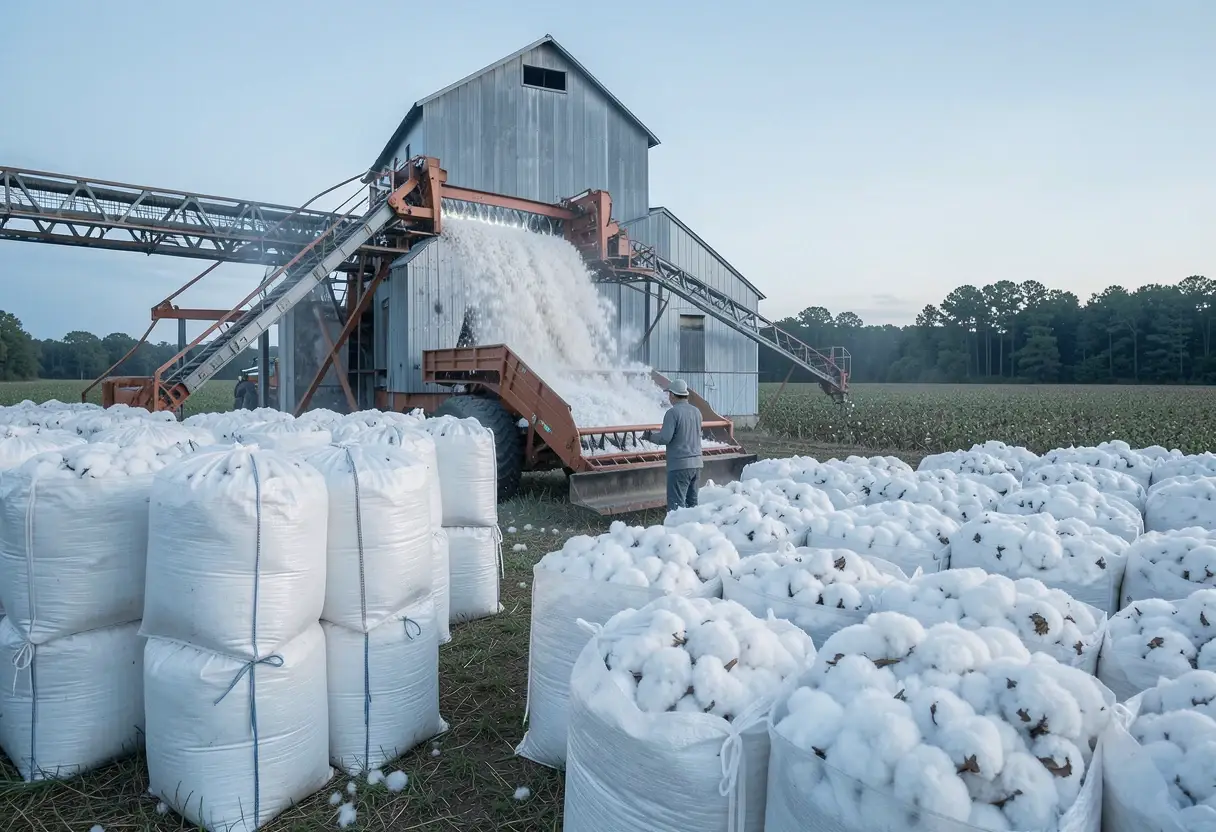
The Georgia Cotton Commission's board has unanimously proposed raising its per-bale assessment ceiling to $1.50, with increases capped at ten cents per bale per year — a change growers will decide in a special referendum running 30 days across February and March 2027.
The proposal would create a stair-step mechanism letting the Commission lift the assessment by no more than $0.10 per bale annually, up to the $1.50 ceiling. Under O.C.G.A. § 2-8-23, any change to the marketing order requires a public hearing and a special referendum before it takes effect.
When and where do producers weigh in?
The public hearing is set for Wednesday, Jan. 27, 2027, at noon, in conjunction with the Commission's Annual Meeting at the UGA Tifton Campus Conference Center. Registration details will be posted on the Commission's website in the coming days.
The referendum itself gives producers a straight yes-or-no vote. Two thresholds apply: at least 25% of ballots must be returned for the vote to count, and at least two-thirds of returned ballots must be marked "YES" for the amendment to pass. That turnout floor matters — a low-return referendum can void the result regardless of how the votes fall.
The hearing allows producers and other interested parties to give feedback on the record, not merely in passing.
Why raise the assessment now?
The Commission says the amendment accommodates a potential increase in dues at the National Cotton Council. Today the Commission pays NCC dues on behalf of Georgia producers on 100% of the cotton produced in the state — so any NCC dues hike flows directly into the Commission's budget.
Chairman Bart Davis, a cotton producer from Colquitt County, put the case in per-acre terms: "Our investment in NCC provides great return for producers across the state, with the Georgia producer receiving an average of $174 per acre in economic support due in no small part to the efforts of the National Cotton Council."
Davis added: "The proposed changes to the marketing order are designed to ensure Georgia doesn't lose representation in ongoing discussions affecting cotton producers."
Both claims deserve scrutiny. The $174-per-acre figure is the Commission's own estimate of economic support, and the source does not spell out the methodology behind it. Nor does the notice say how large the potential NCC dues increase is, or how close the current assessment sits to the existing cap — gaps producers may want closed at the hearing before ballots go out.
Who runs the program?
The Georgia Cotton Commission, based in Perry, Georgia, dates to 1965. It is producer-funded: Georgia cotton growers pay the assessment, and the Commission channels the money into research, promotion and education programs on behalf of all cotton producers in the state. Growers can reach the Commission at (478) 988-4235 or at georgiacottoncommission.org.
The stakes are modest per bale but structural: what producers are voting on is not a single dime hike but permission for a decade's worth of ten-cent steps — the outcome in February and March will set the program's financing ceiling for years.
via southeastagnet.com (Source)
More from Olivia Hart
Show full bio
News editor covering technology and product news in Agribusiness coverage for industry professionals at Agribusiness Wire.
526 articles
Also in the yard
- Cotton Council CEO Expects Farm Bill to Slip to Lame-Duck Session
- South Plains Farmers Weigh Farm Bill Provisions Ahead of Senate Vote
- USDA Raises Upland Cotton Forecast to 13.059 Million Bales
- Cotton Growers Press Washington for Aid and Market Stability
- Senate Agriculture Committee Advances Farm Bill; NCC, GCC Cheer