Lot No. LOT-7119 · offered October 9, 2026
Agricultural PolicyLot sheet
South Plains Farmers Weigh Farm Bill Provisions Ahead of Senate Vote
South Plains farmers weigh Farm Bill provisions ahead of a Senate vote, with cotton-country growers focused on reference prices, crop insurance and margins.
Market notes
- South Plains farmers weighed in on Farm Bill provisions ahead of a U.S. Senate vote, KCBD reported.
- The Texas High Plains region at the center of the debate is a major U.S. cotton production area.
- Growers' core concerns include commodity support, crop insurance and input-cost pressure.
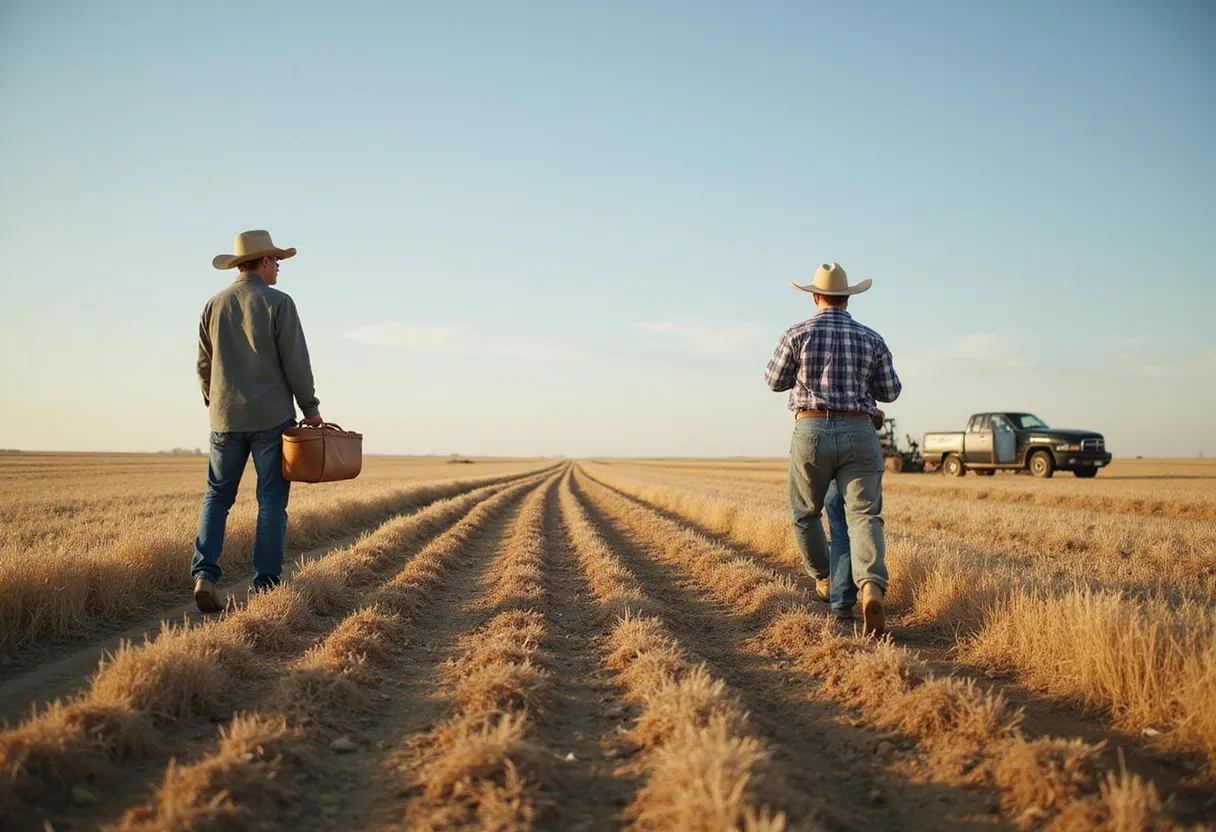
South Plains farmers are publicly weighing in on Farm Bill provisions as the U.S. Senate prepares to vote on the legislation, according to Lubbock-based broadcaster KCBD.
The reporting from the Texas High Plains — the heart of U.S. upland cotton country — captures grower sentiment on a bill that will set commodity support, crop insurance and conservation terms for the next five years. For producers in the region, the stakes center on reference prices, input-cost pressure and the safety net's ability to keep pace with inflation-driven production budgets.
What are South Plains growers watching?
Farm Bill deliberations typically hinge on a handful of margin-defining mechanisms, and the South Plains reaction tracked in the KCBD report reflects that practical focus:
- Commodity title support levels and any update to reference prices
- Crop insurance affordability and coverage options for cotton and feed grains
- Conservation program funding and its interaction with working farmland
- Overall predictability for lenders, landlords and input purchases
Producers speaking to KCBD framed the legislation less as politics than as a planning document — one that determines what banks will lend against and what growers can commit to seed, fertilizer and crop protection spending for future seasons.
Why the Senate vote matters now
A Senate vote would move the Farm Bill process closer to final passage after an extended stretch in which existing programs operated under temporary extensions. Each extension left reference prices and support calculations frozen at levels set years ago, while fertilizer, fuel, machinery and labor costs climbed.
That gap between static support and rising costs is the core margin question for High Plains operators. Cotton growers in particular have faced elevated production budgets, and the Farm Bill's commodity and insurance titles are the primary tools that determine downside protection at harvest.
What comes next?
With Senate action pending, attention shifts to whether the chamber's version preserves, expands or trims the provisions South Plains farmers flagged, and how quickly House and Senate negotiators can reconcile differences into a final bill growers can plan against.
via Google News: Farm bill and ag policy (Source)
More from Olivia Hart
Show full bio
News editor covering technology and product news in Agribusiness coverage for industry professionals at Agribusiness Wire.
422 articles