Lot No. LOT-1460 · offered November 19, 2026
Commodity MarketsLot sheet
Freight Costs Kill Wyoming Hay Deals; Missouri Drought Drives Early Feeding
Missouri's early hay-feeding season and 20%-plus extreme drought lift Plains demand, while freight costs push Wyoming buyers to cancel loads and Montana imports Canadian hay.
Market notes
- Over 20% of Missouri is in extreme to exceptional drought, per the Nov. 12 report.
- Wyoming buyers turned back spoken hay loads over diesel and freight costs, Nov. 12 report.
- Montana: 19.16% in moderate drought or worse; 38.09% abnormally dry, up 1.49 points in two weeks.
- Nebraska corn harvest at 66% and soybeans at 84%, per NASS in the Nov. 5 hay report.
- Texas next hay report due Dec. 11; Colorado's next release Nov. 19.
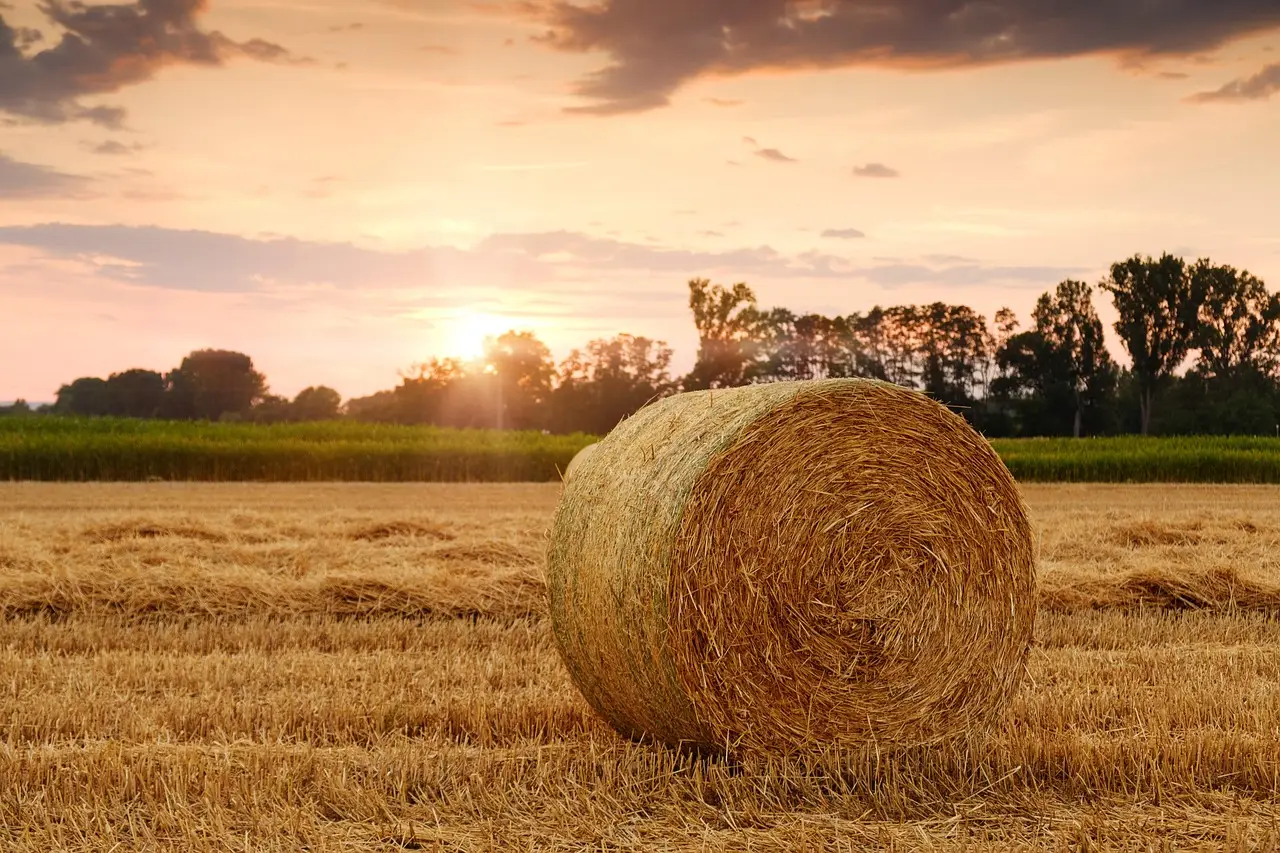
Over 20 percent of Missouri now sits in extreme to exceptional drought, pushing ranchers into one of the earliest hay-feeding seasons on record and lifting demand across the Plains even as supplies stay moderate, state hay market reports show.
The reports, compiled from USDA Market News and published Nov. 19 by the High Plains Journal, cover Colorado, Missouri, Nebraska, Oklahoma, Texas, South Dakota, Wyoming and Montana.
What is driving the strongest demand?
Missouri is the pressure point. The state logged its first frost over the weekend before the Nov. 12 report, but the driest areas received no significant moisture. Hay feeding has already started, and several producers worry they may run short as winter progresses. Prices there are steady to firm.
The Missouri Department of Agriculture operates a hay directory at apps.mda.mo.gov/haydirectory, and University of Missouri Extension runs feedstufffinder.org for buyers seeking supplies.
In South Dakota, the Oct. 16 report shows good to very good demand for all classes of hay. Western South Dakota, hit by severe drought with little hay made this year, generates the best demand. Dry April and May weather limited grass hay supplies statewide. Eastern areas made substantially less hay than normal, though some spots cut alfalfa successfully.
Oklahoma's Nov. 13 report shows strong demand as producers stockpile hay for fall and winter. Movement slowed slightly on wheat pasture grazing and recent rainfall. More rain is forecast before cooler temperatures arrive.
Where are freight and drought biting?
Wyoming's Nov. 12 report contains the sharpest market signal: out-of-state buyers have turned back previously spoken loads of hay because higher diesel and freight charges make shipping halfway across the country unaffordable. Those buyers, horse owners who prize Wyoming high-elevation hay for its color and lack of bleaching, had purchased from western Wyoming for 10 or more years. All prices are steady and demand moderate.
Montana's Nov. 13 report shows hay sold generally steady with moderate demand and supplies. Warm weather and fall regrowth keep cattle on pasture, and many cattlemen have fed no hay at all. Several producers are finishing third or fourth cuttings depending on location. Northern Montana hay trades at a discount to southern hay as sellers compete with Canadian imports and North Dakota supplies moving along Highway 2. Fuel prices have retreated slightly, easing delivered prices. Canadian hay continues crossing the border on excess northern supplies.
Montana's drought numbers show mixed trends:
- 19.16 percent of the state in moderate drought or worse, down 0.03 percent from two weeks earlier
- 9.09 percent in severe drought or worse, down 2.27 percent
- 3.17 percent in extreme drought or worse, down 1.76 percent
- 0 percent in exceptional drought, unchanged
- 38.09 percent abnormally dry, up 1.49 percent
Hay movement in Montana was very slow this session as producers hauled hay sold earlier in the summer and fall.
What stays quiet?
Colorado's Nov. 5 report shows light trade activity with good to very good demand, and all hay prices unchanged. Rain showers have reached the southern half of the state. The next report lands Nov. 19.
Nebraska's Nov. 5 report shows all reported hay sales mostly steady with moderate demand. USDA NASS puts Nebraska corn harvest at 66 percent and soybeans at 84 percent.
Texas reports good hay prices and demand in its Nov. 13 release, with the next report set for Dec. 11.
These are condition reports and market summaries, not harvested revenue data — the USDA Agricultural Marketing Service publishes them at ams.usda.gov/market-news/hay-reports on staggered state schedules. Montana's next test comes when cold temperatures push cattle off regrowth and into feed yards, the point at which its slow market could tighten quickly.
via apps.mda.mo.gov (Original)
More from Grace Kim
Show full bio
Correspondent covering people, launches and day-to-day practice in Agribusiness coverage for industry professionals at Agribusiness Wire.
548 articles
Also in the yard
- Hay Markets Split by Drought and Freight: Premium Alfalfa Gains $20 Per Bale
- Hay Markets Firm Across Plains as Drought Reshapes Demand
- Hay Markets Hold Steady to Firm as Drought Splits High Plains Demand
- Five Straight Drought Years Push Missouri Farmers Toward 2027 Reset
- USDA Market News Weekly Report Tracks Hay Prices Across High Plains