Lot No. LOT-3794 · offered November 5, 2026
Commodity MarketsLot sheet
Hay Markets Split by Drought and Freight: Premium Alfalfa Gains $20 Per Bale
Premium alfalfa 3×3s gained $20 per bale in Colorado, Canadian hay sits at $160–$200 delivered in Montana, and drought keeps D3-D4 pressure on southern Missouri hay demand.
Market notes
- Premium alfalfa 3×3 bales rose $20 per bale in Colorado's Oct. 23 report; small squares gained 25–50 cents per bale.
- Canadian hay is offered delivered into northern and central Montana at $160.00–$200.00, per the Oct. 30 Montana report.
- Much of southwest and south central Missouri remains in D3 or D4 drought, forcing early hay feeding.
- Wyoming buyers rejected previously spoken loads due to rising diesel and freight charges.
- Montana's moderate-or-worse drought fell to 19.19% of the state, down 1.33% from two weeks prior.
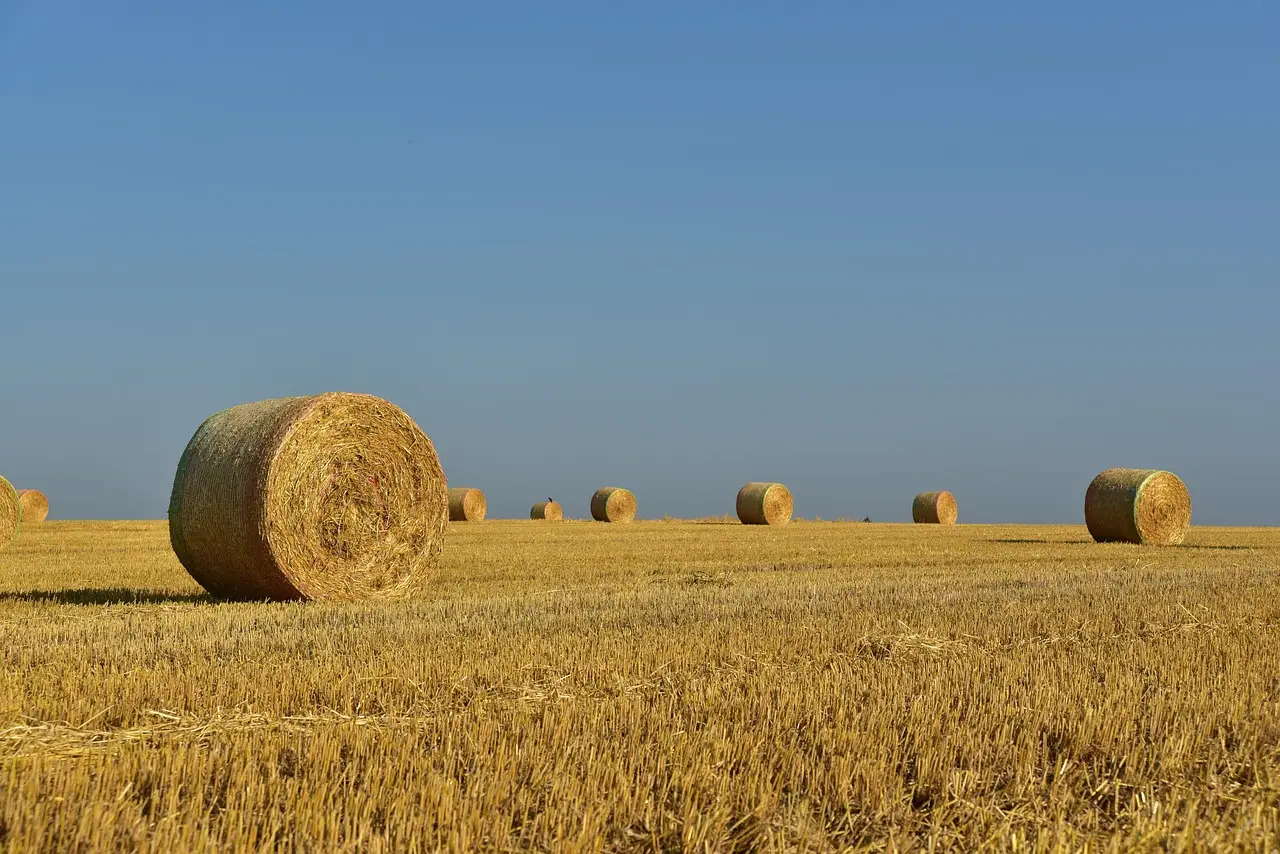
Premium alfalfa 3×3 bales in Colorado gained $20 per bale in the latest trading period, while premium small squares of alfalfa, alfalfa/grass mix, mixed grass and prairie/meadow grass climbed 25–50 cents per bale, according to the state's Oct. 23 USDA hay report. That's the sharpest concrete move in a week of state-by-state releases that otherwise showed mostly steady money — but sharply divergent supply pictures behind it.
The Colorado strength came with demand rated good to very good across all markets for new-crop hay. Trade activity ran moderate. With corn silage harvest wrapping up, farmers have shifted to forage sorghum for silage and bales. Colorado's next report lands Nov. 5.
What does drought do to the hay map?
Missouri's Oct. 29 report shows the clearest split. Much of the southwest and south central state sits in D3 or D4 drought, and many southern producers are already feeding hay. Everything north of I-70 is drought-free and in far better shape. Hay movement and demand ran moderate; prices held steady to firm. The Missouri Department of Agriculture runs a hay directory at apps.mda.mo.gov/haydirectory, alongside the University of Missouri Extension's feedstufffinder.org.
South Dakota's Oct. 16 report tells a similar story with harder numbers behind it. Demand ran good to very good for all classes, with the best demand coming from western South Dakota, where drought has been severe and little hay was made this year. Grass hay supplies are limited — April and May were too dry for grass growth. Eastern areas vary widely: some made substantially less hay than normal, while other spots cut alfalfa that produced pretty well.
Where did freight kill the deal?
Wyoming's Oct. 29 report is the freight story of the week. All prices held steady and demand ran moderate, but out-of-state buyers have turned back previously spoken loads. Diesel and freight charges mean they can no longer afford to ship Wyoming hay halfway across the country. These aren't casual customers — the report notes horse owners on the other end prize Wyoming high-elevation hay for its color and lack of bleaching, and some have bought western Wyoming product for 10 or more years.
Montana's Oct. 30 report quantifies the same freight math. Canadian hay is being offered delivered into northern and central Montana at $160.00–$200.00. Hay in the northern half of the state trades at a discount to southern Montana hay as sellers compete with Canadian product and loads crossing Highway 2 from North Dakota. Southern Montana hay still commands a strong premium, and everything is priced locally because stack-to-ranch freight costs run high. Hay sold generally steady, with demand and supplies both mostly moderate.
There's a logistics win too: hay purchased earlier this fall is shipping south again because the Fred Robinson Bridge near Hilger, Montana, has reopened, letting loads move south off the highline.
What are ranchers feeding instead?
Montana's fall rains changed the feed equation. Ranchers report plentiful fall grass and range feed, and most plan to leave cows turned out and off hay as long as possible — which has lightened hay demand. Producers are still putting up third and even fourth cutting in some locations.
Montana's drought monitor numbers, as of the report: 19.19% of the state in moderate drought or worse, down 1.33% from two weeks prior; 11.36% in severe drought or worse and 4.93% in extreme drought or worse, both unchanged; 0% exceptional; and 36.60% abnormally dry, down 3.24%.
Quick reads on the rest
- Nebraska (Oct. 22): Trade light because farmers are harvesting corn and soybeans. Demand good on all forages. Alfalfa ground and delivered prices unchanged; dehydrated and sun-cured alfalfa pellets unchanged. No comparable hay trades this period.
- Oklahoma (Oct. 30): Demand still high; all types of hay moving ahead of fall and winter, though rain slowed movement. Next report Nov. 13.
- Texas (Oct. 30): Prices and demand remain good. Next report Nov. 13.
- New Mexico (Oct. 23): Market firm versus the prior report.
All reports are posted at ams.usda.gov/market-news/hay-reports. Watch the Nov. 5 Colorado report and Nov. 13 Oklahoma and Texas releases to see whether Colorado's premium gains hold once forage sorghum baling wraps up.
via apps.mda.mo.gov (Original)
More from Nathan Brooks
Show full bio
Staff writer covering regulation, policy and their impact on Agribusiness coverage for industry professionals at Agribusiness Wire.
515 articles
Also in the yard
- Hay Markets Hold Steady to Firm as Drought Splits High Plains Demand
- USDA Market News Weekly Report Tracks Hay Prices Across High Plains
- Hay Markets Firm Across Plains as Drought Reshapes Demand
- Kansas Hay Supplies Tighten as Drought-State Shipments Drain Inventories
- USDA pegs 2026 alfalfa crop at 50.562 million tons, up 1%