Lot No. LOT-3913 · offered November 11, 2026
Crop EconomicsLot sheet
Flex and Crop-Share Leases Offer Young Farmers a Path Off Cash Rent
Roughly half the time, flex-lease operators pay below-market cash rent, Purdue's Langemeier says — one reason young farmers are weighing crop-share and flexible arrangements for 2027 leases.
Market notes
- Flex-lease operators pay below-market cash rent about half the time, per Purdue's Michael Langemeier.
- Crop-share leases split input costs and revenue between operator and landowner, sharing farming risk more completely.
- Purdue and land-grant university crop budgets are negotiation guides, not one-size-fits-all figures, Langemeier cautions.
- Cash rent is currently very stable, making traditional leases attractive in the short term.
- Strong-year bonus payments under flex leases can divert funds from machinery purchases and expansion.
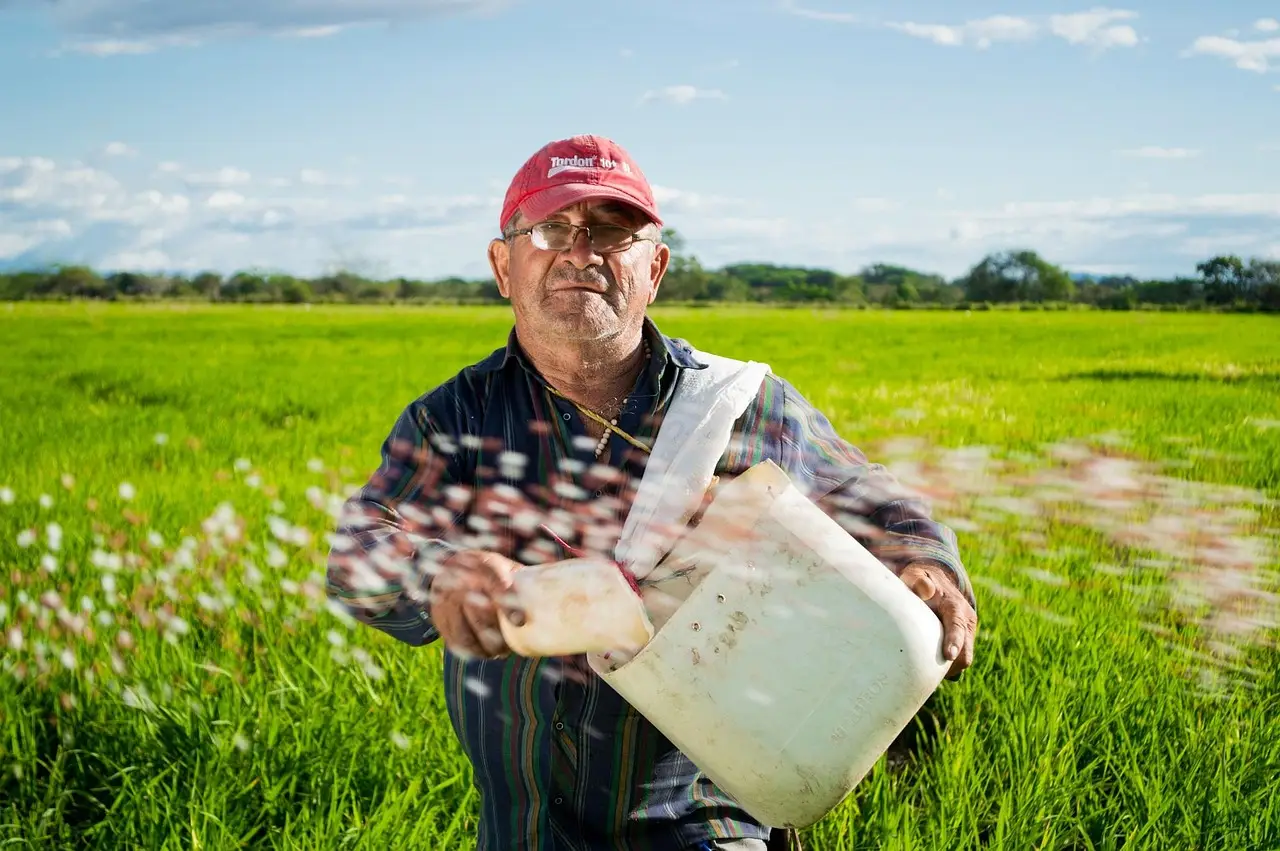
Roughly half the time, operators on a flex lease pay a cash rent below market rate, according to Michael Langemeier, director of the Purdue Center for Commercial Agriculture. That figure explains why a growing number of young farmers are reconsidering how they structure their farmland leases for the 2027 cropping year.
Whether renewing a five-year agreement or inheriting a handshake arrangement their grandfather forged 60 years ago, growers now face a decision window. The choice of lease structure — traditional cash rent, crop share, or flex — directly shapes input risk, revenue exposure, and the ability to build equity in strong years.
Why move away from cash rent?
"Prices and yields can change very rapidly," Langemeier said. "And if prices change and our yields are very strong, then an alternate lease arrangement could help everyone capture the benefits."
The logic cuts both ways. When prices fall and yields turn marginal, a flex lease or crop-share arrangement can shield the operator from losses that a fixed cash rent would force them to absorb alone.
Crop-share leases split input costs and revenue between operator and landowner. This suits retired farmers particularly well, Langemeier noted, because they understand the industry and often want what he called "some skin in the game."
"The risk of farming is shared more completely in a crop-share lease," Langemeier said.
The arrangement carries drawbacks. Shared decisions can produce disagreements and unclear expectations. Langemeier recommends Purdue crop budgets as a starting point for negotiations, with an important caveat: published budgets from Purdue or other land-grant universities are not one-size-fits-all numbers. Actual costs may sit above or below those averages, depending on each party's crop goals and willingness to invest in inputs. He advises writing everything down to leave no room for misinterpretation.
What does a flex lease change for the operator?
For landowners wary of negotiating input purchases and paying costs up front, a flex lease offers a cleaner alternative. The operator pays a base rent below market value. If prices, yields, or both clear a predetermined threshold, the operator then divides the additional revenue with the landowner.
Operators must still decide whether to flex on yield, price, input costs, or a combination. But the landowner's exposure to input investment disappears, and the young farmer gains protection against poor yields and falling crop prices — protection a fixed cash rent cannot provide.
There is a trade-off in strong years. Bonus payments to the landowner come out of revenue that might otherwise fund growth.
"Those are the years where you want to buy machinery and expand," Langemeier explained. "It doesn't happen all the time, so those are the times to buy assets."
How should growers choose?
Langemeier frames the decision around the operator's own habits and goals:
- Detailed record-keepers who enjoy analyzing data may fit a crop-share agreement.
- Growers seeking less risk and clear thresholds should consider a flexible lease.
- Operators who want full ownership of cropping decisions may still prefer traditional cash rent.
The cash-rent market currently favors that last option. "We're looking at cash rent that's very stable," Langemeier said, making fixed arrangements attractive in the short term despite their rigidity.
No single structure fits every young farmer negotiating farmland leases. But with 2027 agreements now open for revision, Langemeier's message is that the options exist — and the handshake with a landowner was only the start of the possibilities.
via Farm Progress (Source)
More from Marcus Bennett
Show full bio
Senior reporter covering regulation, policy and their impact on Agribusiness coverage for industry professionals at Agribusiness Wire.
460 articles
Also in the yard
- Farm Rents 2027: Variable Leases Gain Ground as Margins Stay Tight
- Purdue Survey Shows Indiana Farmland Values Leveling Off
- US Agriculture: Farmland Is Real Estate at Its Core for Investors
- Lease or Buy Farm Equipment? Tax Rules Could Reshape the Decision
- Farmers National Acquires CommonGround to Digitize Farmland Leasing